Two ways of looking at America. New York is looking at Pop this autumn; Los Angeles is looking at itself: the architect who built it, and the water it depends on.
Kidfly182 · CC BY-SA 4.0
Exhibition
Roy Lichtenstein: Like New
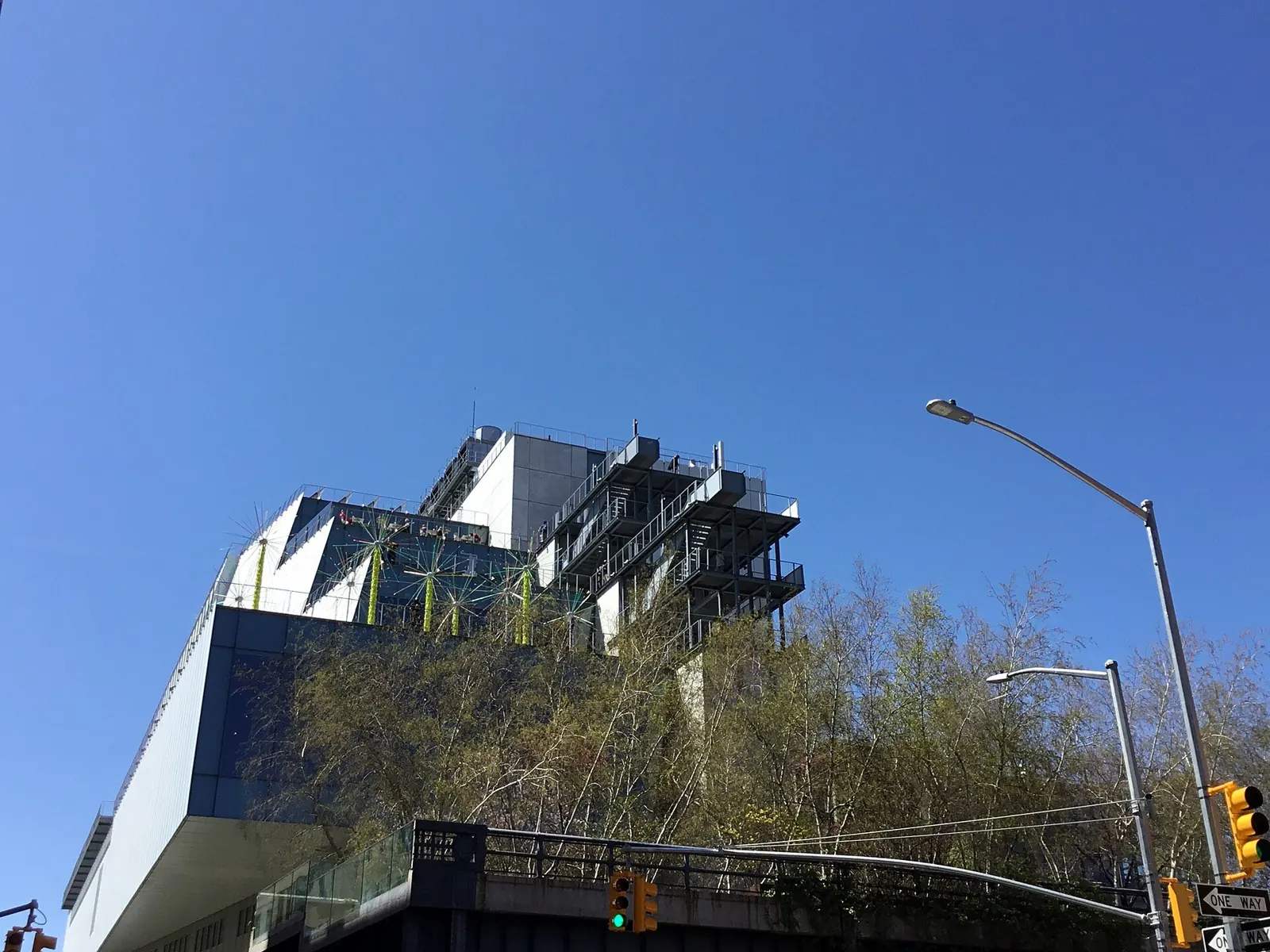
Whitney Museum of American Art, New York
Why goThe comic strips were only the beginning.
More than 130 works, from the early 1940s to the 1990s, and a useful correction to the Lichtenstein everyone thinks they know. The comic-strip paintings are here, but the exhibition is more interested in the mind behind them: a painter who spent fifty years taking images apart, reducing brushstrokes, mirrors and landscapes to the same mechanical dots, and asking what was left. The late interiors and Chinese-inspired landscapes of the 1990s may be the surprise. Seen in sequence, the dots stop looking like a joke about mass culture and start to look like a method for seeing.
Until10 May 2027WhereMeatpacking District
Junkyardsparkle · CC0
Exhibition
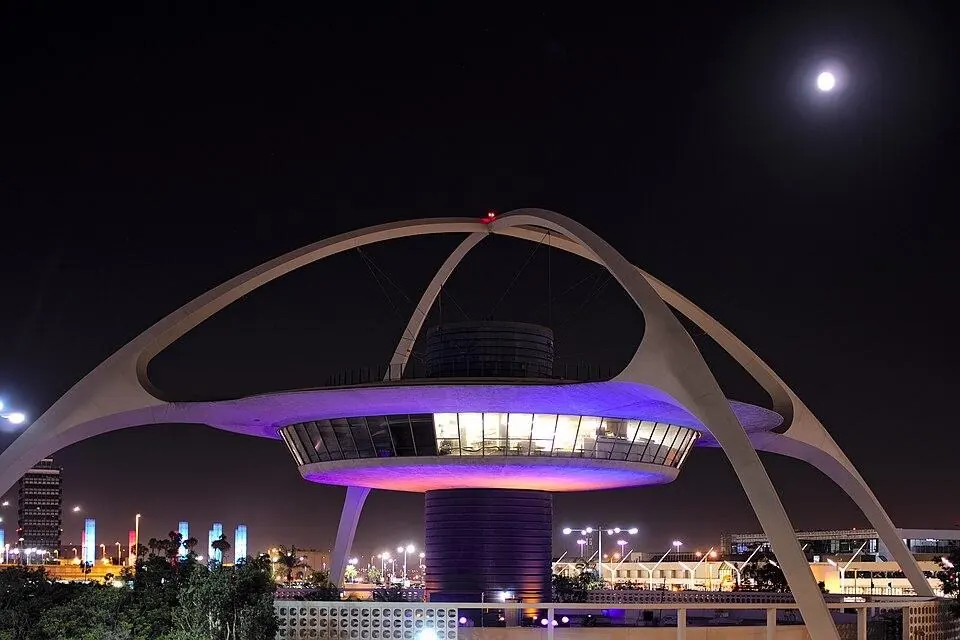
Paul R. Williams: Architect for Living
LACMA, Los Angeles
Why goThe architect who shaped the Los Angeles you think you know.
Paul R. Williams, the most prominent Black American architect of his generation, helped build Los Angeles from the 1920s to the early 1970s: houses for Hollywood, churches, hotels, civic buildings. In 1923 he became the first Black member of the American Institute of Architects. He famously taught himself to draw upside down, so that white clients reluctant to sit beside him could watch from across the table. He was also on the team behind the Theme Building at LAX, the airport's flying-saucer welcome to the city. The exhibition puts him back where he belongs, at the centre of the city's image of itself. Then go and look at the buildings.
Dates15 Nov 2026 – 31 May 2027WhereResnick Pavilion
MOCA · CC BY-SA 3.0
Exhibition
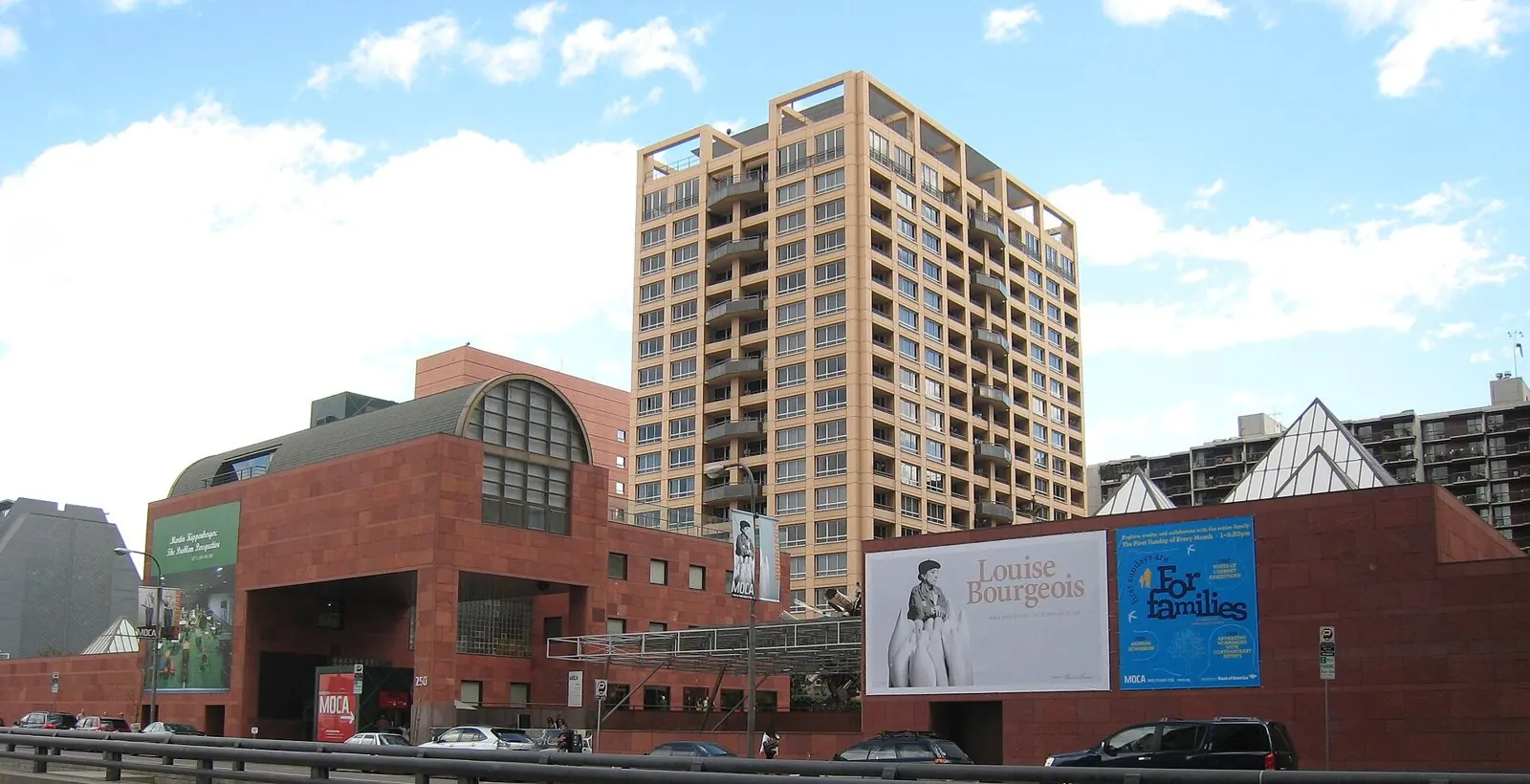
Cecilia Vicuña: Quipu of Encounters, The Dream of Water
MOCA, Los Angeles
Why goKnotted wool, an ancient language, and the city's most urgent subject.
The Chilean poet and artist Cecilia Vicuña has spent decades reviving the quipu, the Andean system of knotted cords once used to keep records, and turning it into monumental hanging sculpture: part poem, part memory, part landscape. Her installation for MOCA is dedicated to water, which in Los Angeles is never an abstract subject. Vicuña received the Golden Lion for lifetime achievement at the 2022 Venice Biennale; her work is gentle in material and urgent in intent. Stand underneath it and let the threads do the talking.
Dates15 Nov 2026 – 6 Jun 2027
MOCA · CC BY-SA 3.0
Exhibition
Julian Charrière: Deep End
MOCA, Los Angeles
Why goSeen with Vicuña, two answers to the same question.
Opening the same day as Vicuña, and a fitting companion: the Swiss-French artist Julian Charrière works across photography, film and sculpture on the fragility and resilience of water systems. Where Vicuña speaks through an Andean tradition, Charrière uses the tools of science and expedition, and the two exhibitions together make a rare case of a museum thinking about a single subject from two very different directions. In a city built on imported water, it is hard to imagine a more local theme for an international artist.
A winter of faces: van Eyck's, Goldin's friends', and a decade's.
Jan van Eyck · Public domain
Exhibition
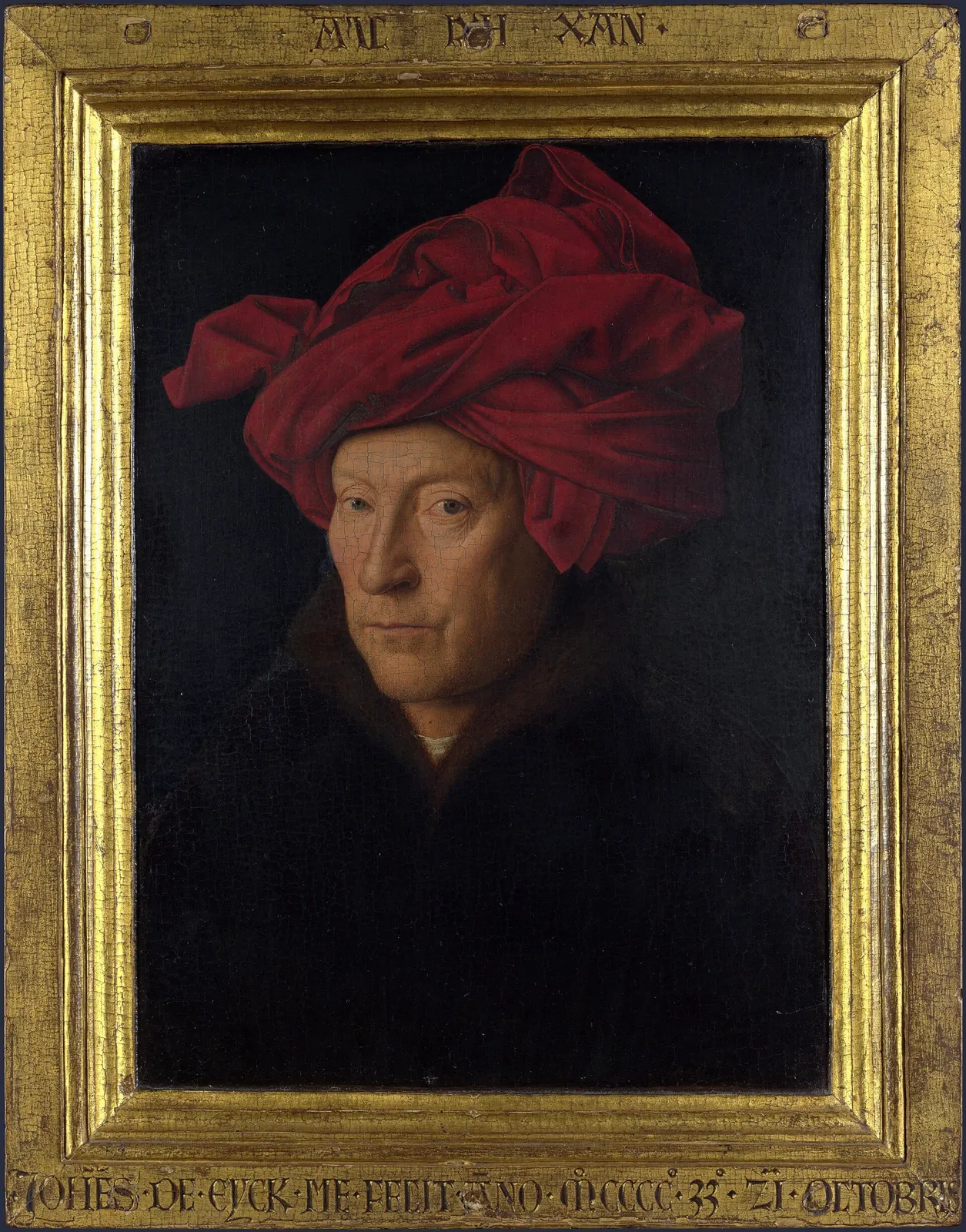
Van Eyck: The Portraits
National Gallery
Why goA gathering unlikely to happen again.
For the first time, Jan van Eyck's surviving portraits are gathered in one place. The panels are intimate in scale, and their precision, six centuries on, remains difficult to account for: the stubble on a jaw, the light caught in an eye, a gaze that holds the viewer across the room. The National Gallery's own Man in a Red Turban, possibly a self-portrait, anchors a gathering unlikely to be repeated in our lifetime. Tickets will be scarce. Book as soon as they are released, and give each face its own time.
Dates21 Nov 2026 – 11 Apr 2027BookingBook as soon as tickets open
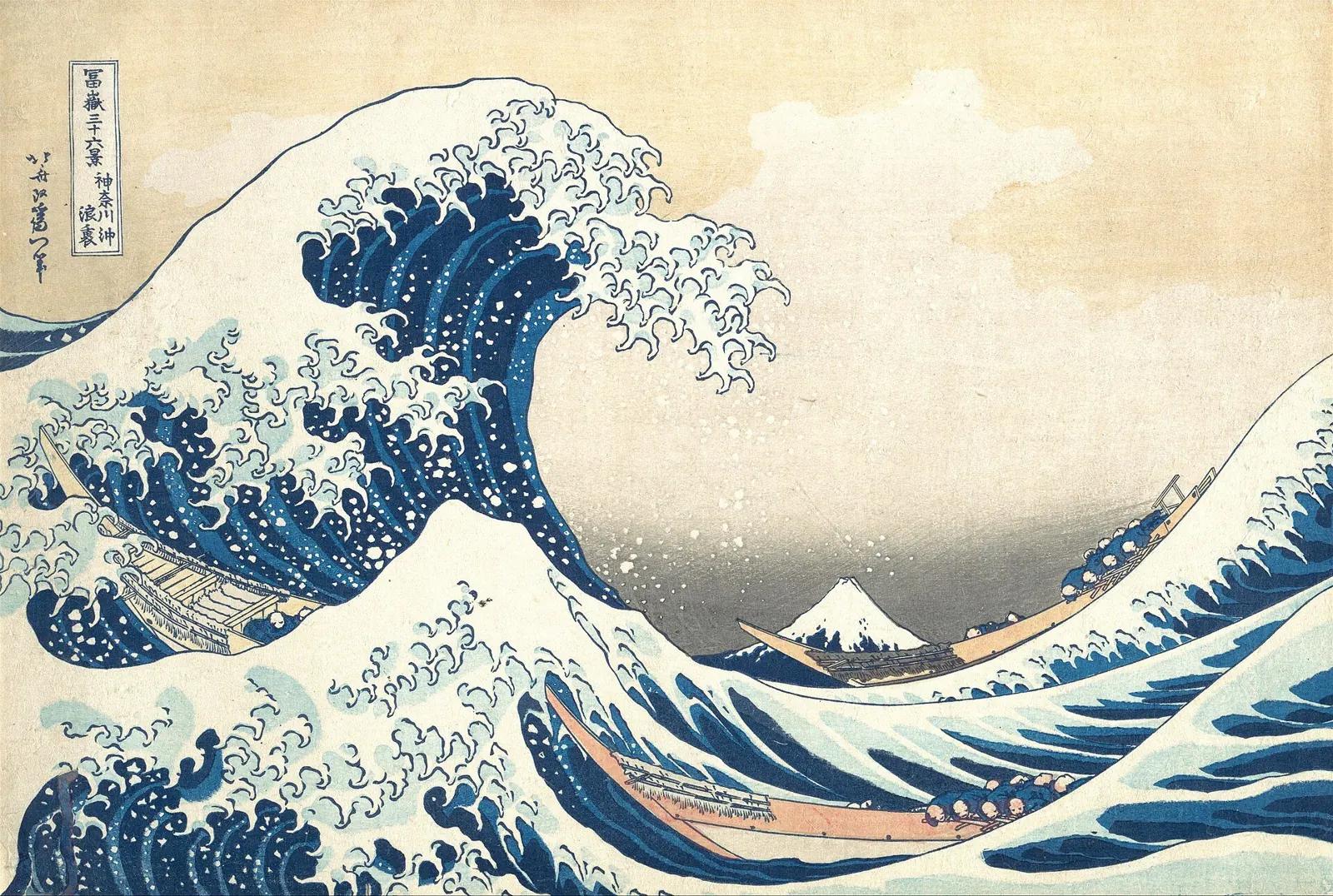
Katsushika Hokusai · Public domain
Exhibition
Hokusai: Thirty-six Views of Mount Fuji
Dulwich Picture Gallery
Why goThe whole series, which changes how you see the single famous wave.
Hokusai's complete series, all 46 prints, is shown in Britain for the first time, including three impressions of The Great Wave and a rare blue impression of Fine Wind, Clear Morning. Seen together, the prints reveal a structure that single images conceal: Fuji as a fixed point around which weather, labour and travel revolve. The setting adds to the pleasure. Dulwich Picture Gallery, designed by Sir John Soane, was England's first purpose-built public art gallery, and its top-lit rooms suit works on paper.
Until17 Jan 2027PriceFrom £21.50Getting thereTrain to West or North Dulwich
Robert-brook · CC0
Exhibition
Nan Goldin, You Never Did Anything Wrong
Hayward Gallery
Why goGoldin's sequences, given the time and darkness they need.
Nan Goldin has always been an artist of the sequence: images assembled into slideshows, set to music, shown in the dark. At the Hayward, that practice takes its fullest form, in a group of film works with scores by the composer Mica Levi, presented in spaces built for the exhibition. It is her first institutional exhibition in Britain since 2022, and a reminder that Goldin's subject, beyond the biography, is the duration of looking itself. Allow at least an hour: these are works to sit with, not to walk past.
Dates24 Nov 2026 – 14 Mar 2027PriceFrom £19
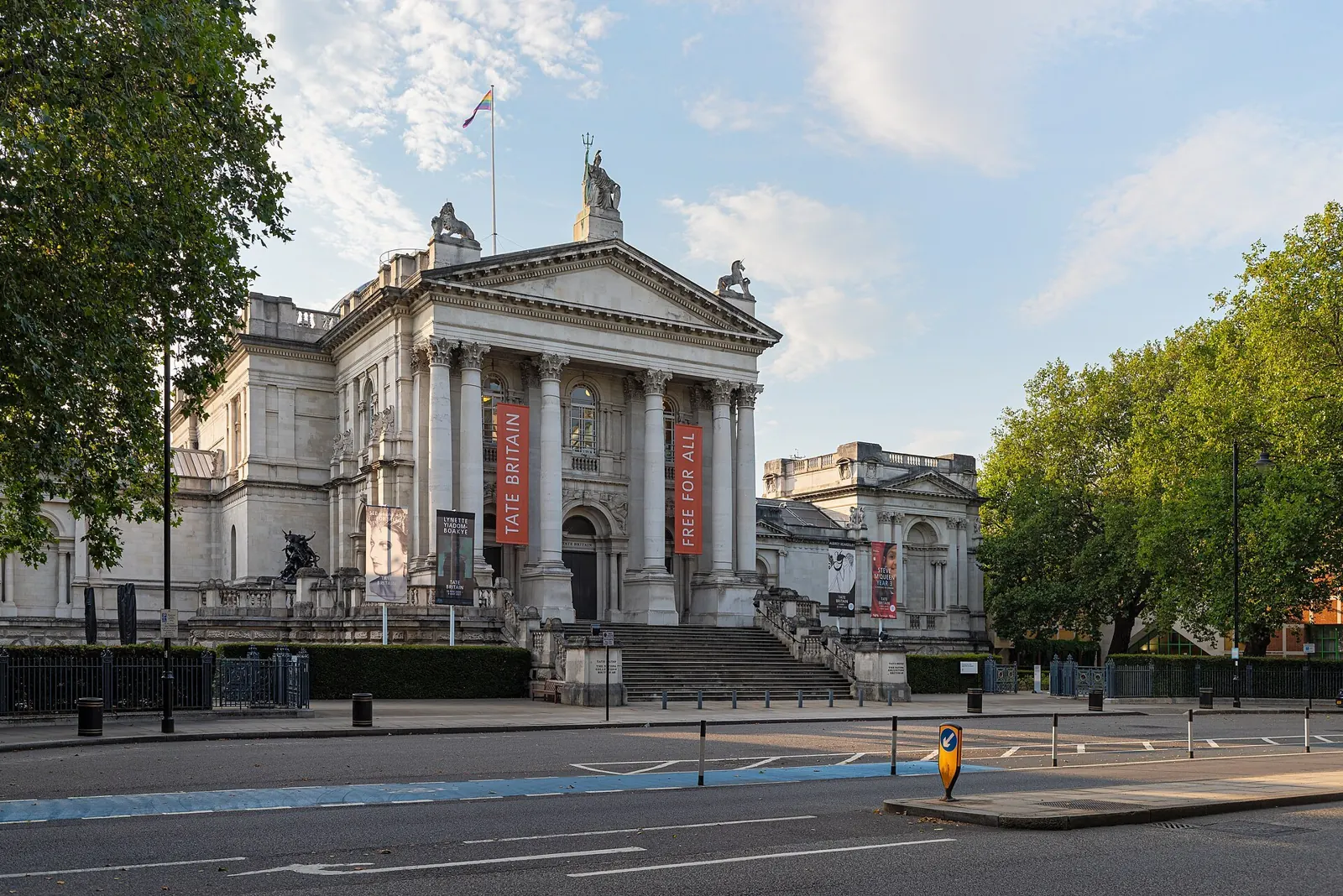
Julian Herzog (Website) · CC BY 4.0
Exhibition
The 90s: Art and Fashion
Tate Britain
Why goHow a magazine page and a gallery wall made the same decade.
Curated by Edward Enninful, the former editor of British Vogue, this survey treats the 1990s as a single creative scene in which art, fashion and photography shared studios, magazines and nightclubs. Juergen Teller and Corinne Day sit beside Alexander McQueen and Vivienne Westwood; Damien Hirst, Gillian Wearing and Yinka Shonibare complete the picture. The exhibition is at its best when it shows how images moved between a gallery wall and a magazine page, and how that traffic shaped the decade's idea of Britain.
Two exhibitions, chosen over the season's blockbusters.
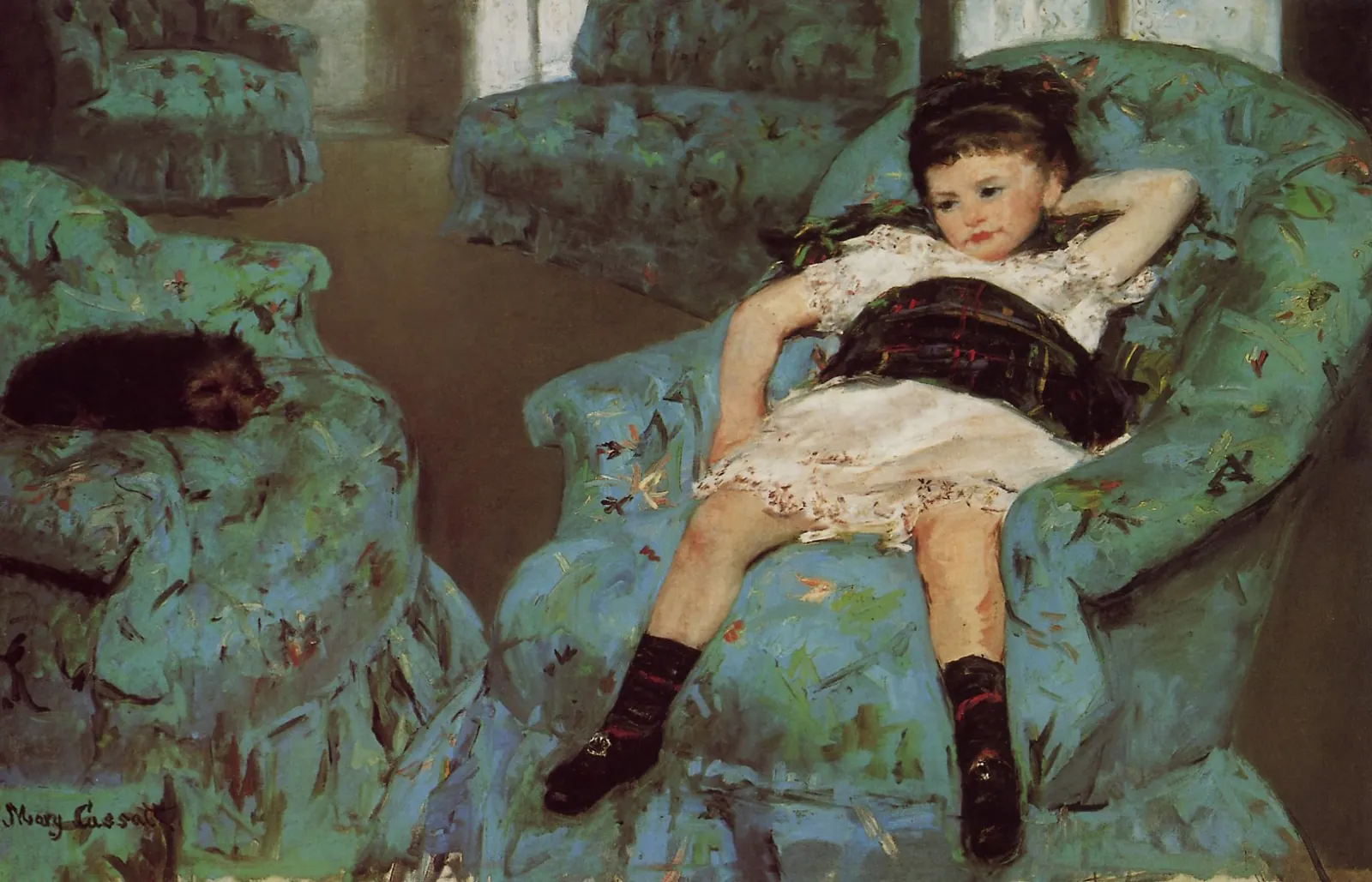
Mary Cassatt · Public domain
Exhibition
Mary Cassatt, The Choice of Independence
Musée d'Orsay
Why goThe Impressionist who was never as gentle as her reputation.
Mary Cassatt died in 1926; a century later, Orsay gives her the retrospective France never did. Some eighty paintings, pastels and prints follow the American who exhibited with the Impressionists from 1879 and made the domestic interior a subject of modernity rather than sentiment. The set of ten colour prints, built on the lesson of Japanese woodblocks, is the exhibition's quiet centre: flat planes, cropped views, a line without hesitation. A digital reconstruction of her lost mural for the 1893 Chicago World's Fair completes the portrait of an ambitious, independent artist too long reduced to mothers and children.
Until31 Jan 2027Price€16 · free under 18 and EEA residents under 26HoursClosed Mon · late Thu
Exhibition
Kerry James Marshall, The Histories
Musée d'Art Moderne de Paris
Why goHistory painting, finally with everyone in it.
Kerry James Marshall's first exhibition in France is also one of the year's most important. Nearly seventy large-scale paintings, eight of them made for the occasion, show how the Chicago painter has placed Black figures at the centre of the grand Western genres, history painting, portraiture, the pastoral, from which they were long excluded. The canvases are dense with art-historical reference and precise detail, and they reward slow looking. The museum's permanent collection, free of charge, includes Matisse's La Danse: a worthwhile detour on the way out.
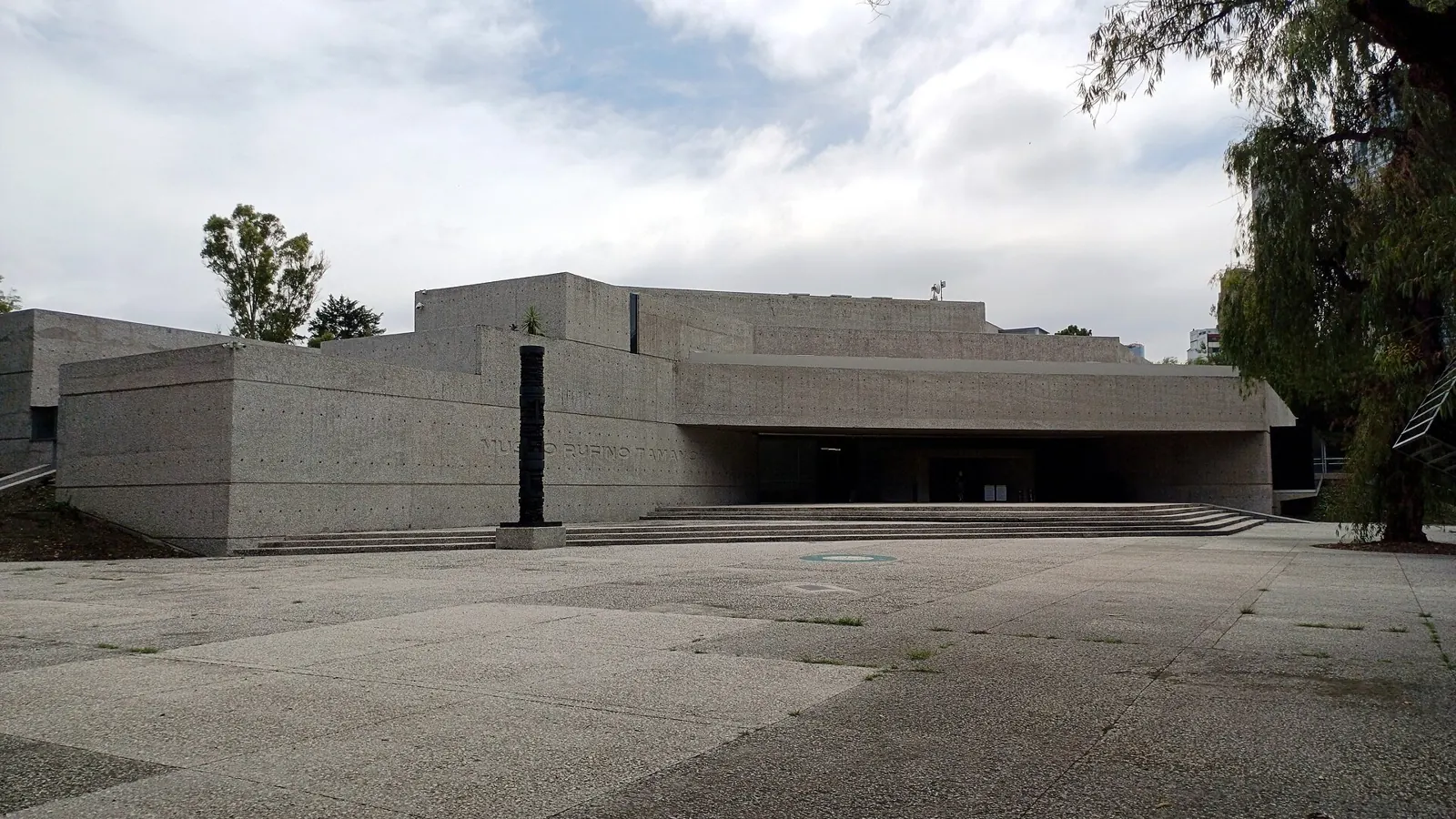
Three painters from Oaxaca, Rufino Tamayo, Rodolfo Nieto and Francisco Toledo, each spent long periods in Paris in the second half of the twentieth century, and at times lived there together. Around a hundred paintings, drawings, prints and collages show what the city did to them, and what they did with it: bringing pre-Hispanic forms and Oaxacan popular art into conversation with the European avant-garde, without ever becoming Parisian painters. It is a story usually told the other way round, Europe discovering Mexico. Here, Mexico does the looking.
Until15 Feb 2027WherePaseo de la Reforma 51, Chapultepec
Keizers · CC BY-SA 3.0
Exhibition
Richard Prince: Tell Me Everything
Museo Jumex
Why goAn American provocation, seen from the other side of the border.
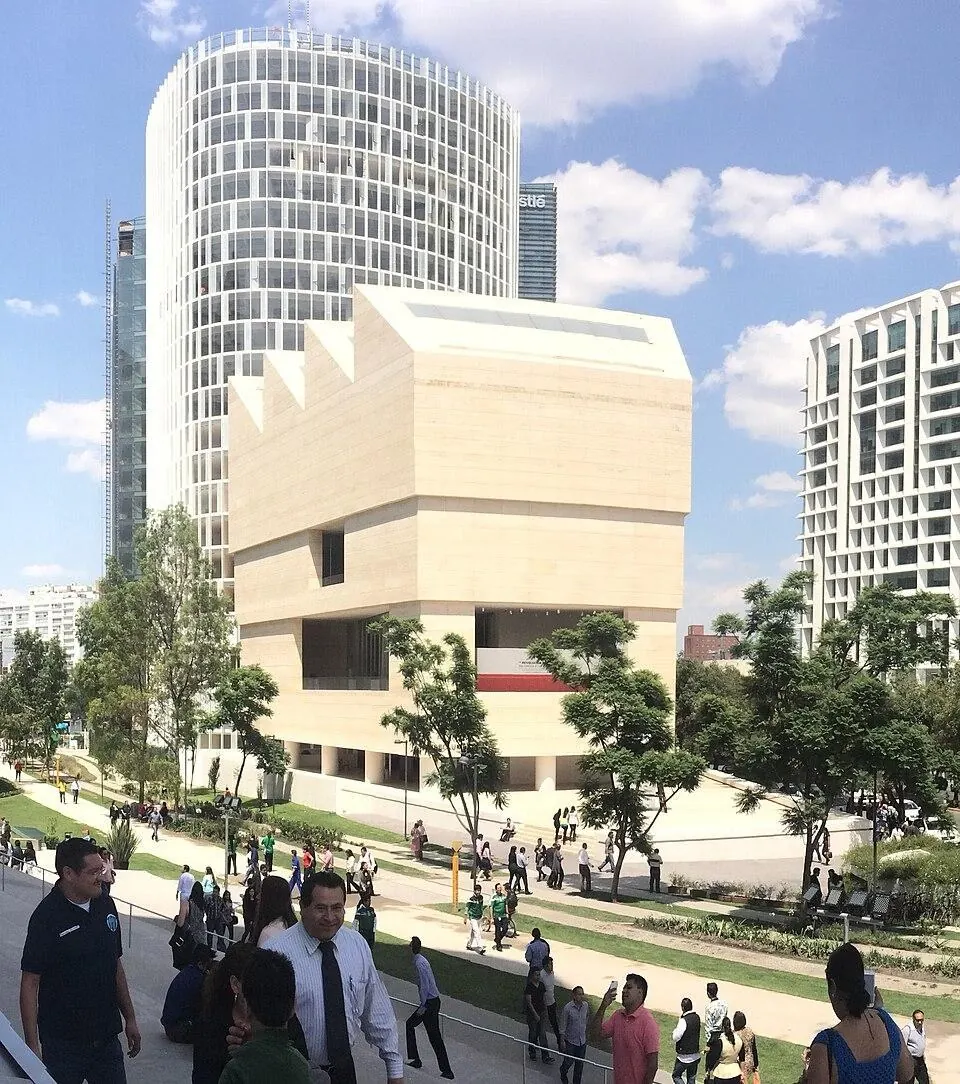
Richard Prince made his name by rephotographing other people's images, most famously the cowboys of cigarette advertisements, and has spent more than four decades testing how much of a picture can be taken without being stolen. In David Chipperfield's Museo Jumex, a building of severe concrete and saw-tooth rooflights, his borrowed Americana looks stranger and more pointed than it does at home. Go for the argument about authorship that still has not been settled, and stay for the building, one of the best contemporary museums in the Americas.
Three exhibitions within walking distance of each other in Roppongi, and three ideas of what Japanese art can be.
Exhibition
Mariko Mori: All That Shines
Mori Art Museum
Why goThe 1990s future, revisited from a future that arrived.
In the 1990s, Mariko Mori photographed herself as a cyborg and as a goddess, and became the face of a new Japanese art that looked at technology with wonder rather than fear. This retrospective of some forty works follows her from those early staged photographs to the meditative installations of recent years, reframing her as a visionary rather than a period piece. Fifty-three floors above Roppongi, the city itself, glittering in every direction, makes the case for her subject better than any wall text.
Until28 Mar 2027WhereRoppongi Hills Mori Tower, 53F
Exhibition
Mari Katayama
Mori Art Museum, Small Exhibition Gallery
Why goA body remade with thread and a camera.
In the same building, and the perfect counterweight to Mori's shine: the photographer Mari Katayama, winner of the first Mori Art Award, extends the limits of her own body through analogue photography and handcraft, embroidery and needlework. Her self-portraits, made with sewn objects and her own carefully staged surroundings, are intimate, baroque and unsettling in the best way. The installation includes her recent tree of life series, now in the collection of the Victoria and Albert Museum in London. Two women artists, two very different ideas of the body.
Until28 Mar 2027WhereMori Art Museum, 53F
Sen-Oku Hakuko Kan · CC BY-SA 3.0
Exhibition
The Birth of Chinese Imports (Karamono)
Sen-Oku Hakuko Kan, Tokyo
Why goHow imported objects became the measure of Japanese taste.
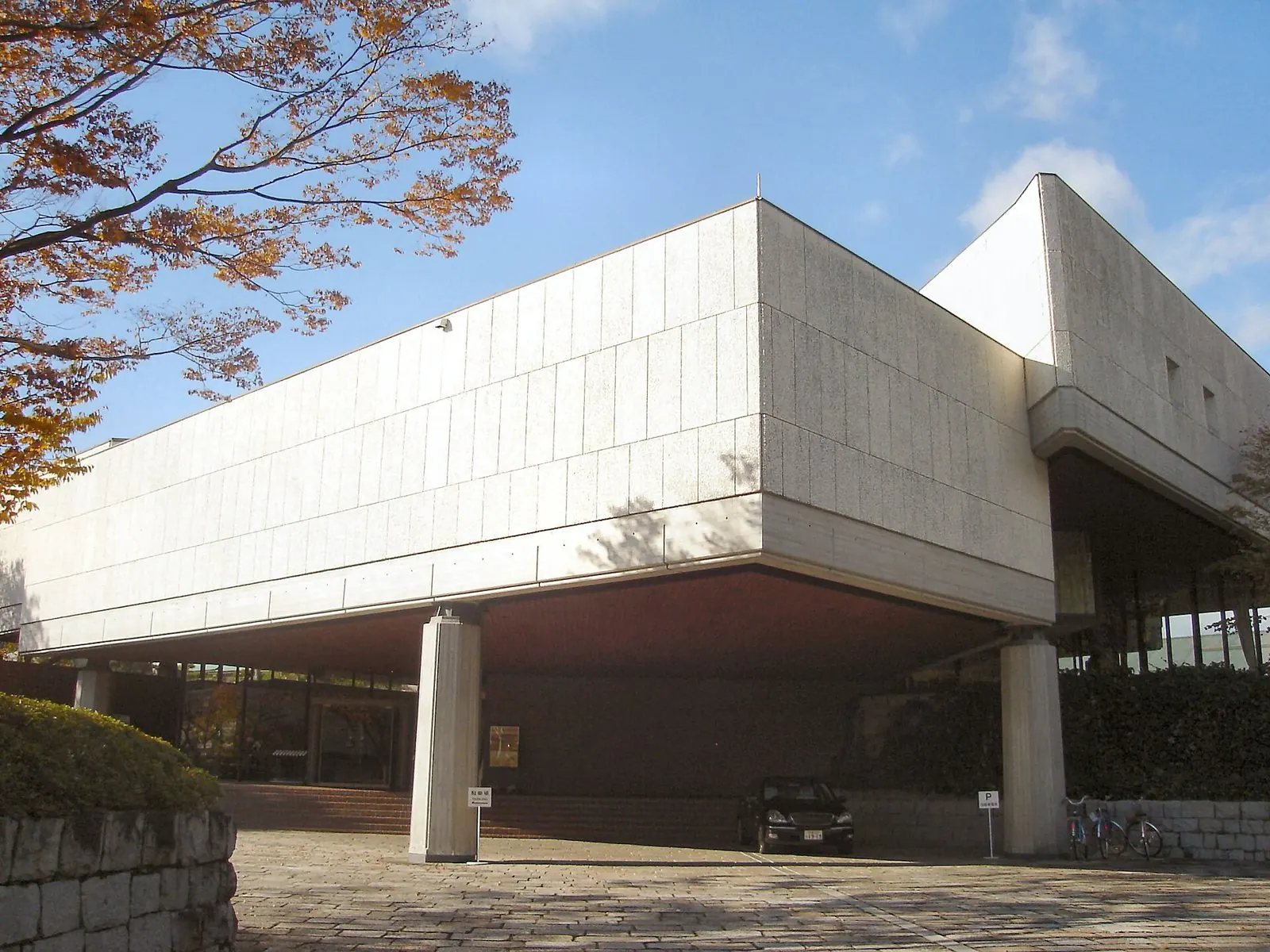
Karamono, literally 'Chinese things', were the ceramics, lacquer and bronzes imported from China that Japanese collectors prized above almost anything made at home, and that shaped the aesthetics of the tea ceremony for centuries. This exhibition at the Sumitomo family's collection museum in Roppongi, a short walk from the Mori Art Museum, traces how foreign objects became the measure of Japanese taste. After the spectacle of the tower, it is the quietest and most revealing hour you can spend in Tokyo this month.
A Japanese-born painter's institute at 25, and Istanbul seen from the other side of the world.
Instituto Tomie Ohtake · CC BY-SA 4.0
Exhibition
Tomie Ohtake: O Sol Daqui
Instituto Tomie Ohtake
Why goA painter from Kyoto who became one of Brazil's great abstractionists.
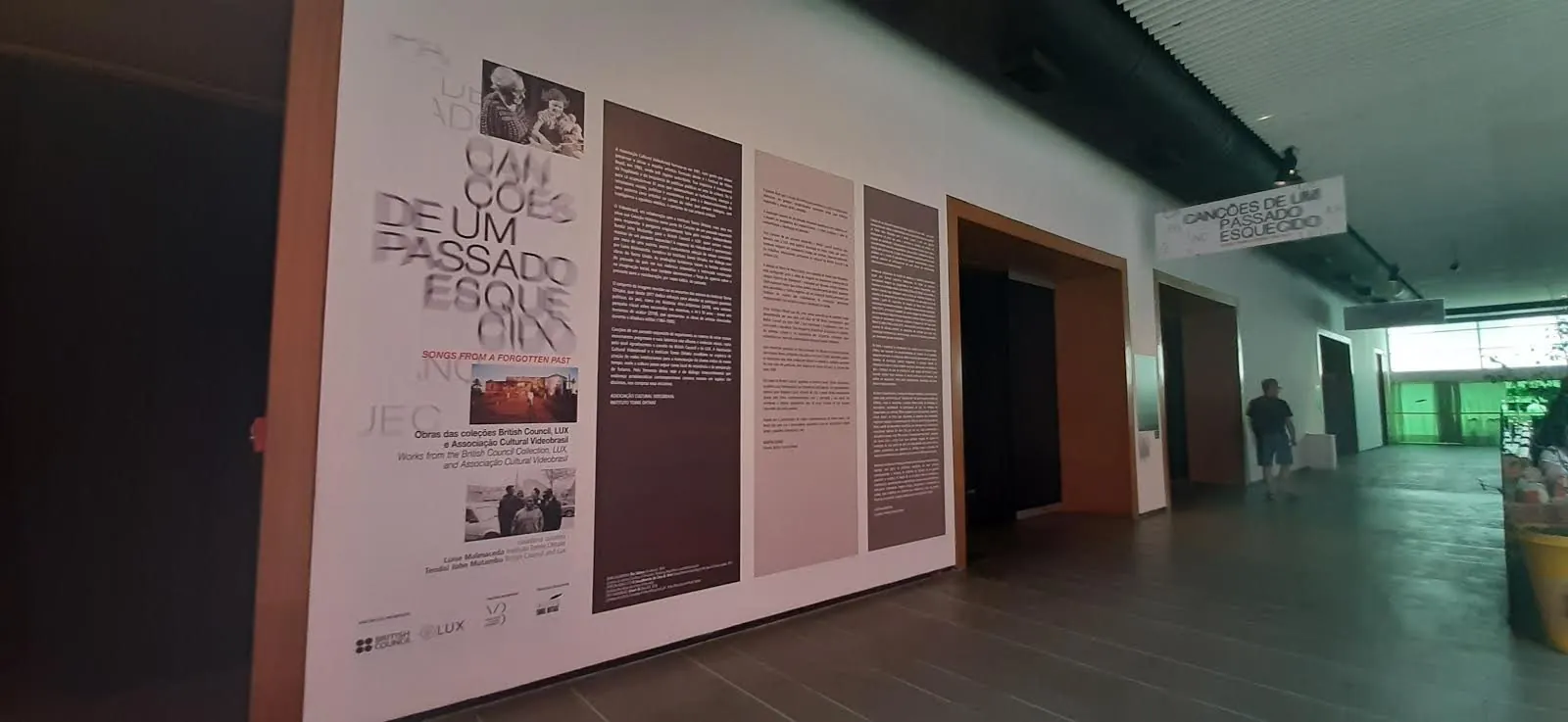
Tomie Ohtake was born in Kyoto in 1913, arrived in Brazil in 1936, and only began painting around the age of forty; she worked until her death in 2015, at 101. Her institute, housed in the purple and blue tower designed by her son, the architect Ruy Ohtake, marks its 25th anniversary with an exhibition of her work, alongside shows by Sheila Hicks and Tatiana Blass. Her abstractions, all saturated colour and single sweeping forms, are a reminder that São Paulo, at the heart of the largest Japanese community outside Japan, is part of this month's Tokyo story too.
On viewNovember 2026WherePinheiros
Boaventuravinicius · CC BY 4.0
Exhibition
Ara Güler / Istambul
IMS Paulista
Why goOne megacity's memory, seen from another.
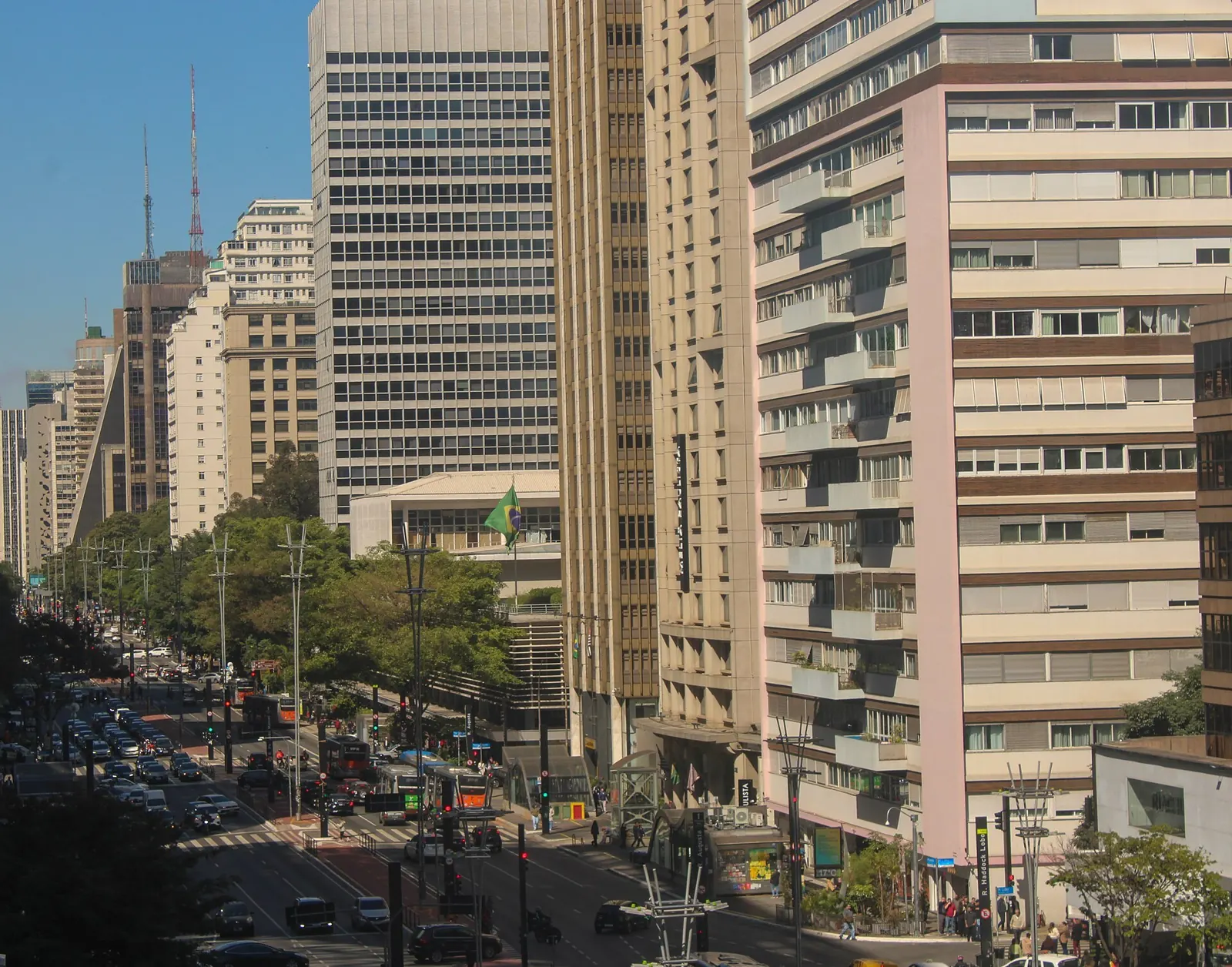
Some two hundred photographs by Ara Güler, the Magnum photographer who spent the second half of the twentieth century recording Istanbul as it changed: fishermen, ferries, cafés, the old city disappearing under the new. Shown in São Paulo, another vast city that rebuilds itself faster than anyone can document it, the pictures read as a quiet warning as much as a portrait. The Instituto Moreira Salles is one of the best places in Latin America to see photography, and its building on Avenida Paulista deserves a look of its own.
Dates14 Nov 2026 – 11 Apr 2027WhereAvenida Paulista
One thing, anywhere
Now Off-Piste
This wasn't part of our plan, but you should know about it.
Lisbon
Leeturtle · CC BY-SA 4.0
Exhibition
Pedro Cabrita Reis, Without sorrow of heart
MAAT
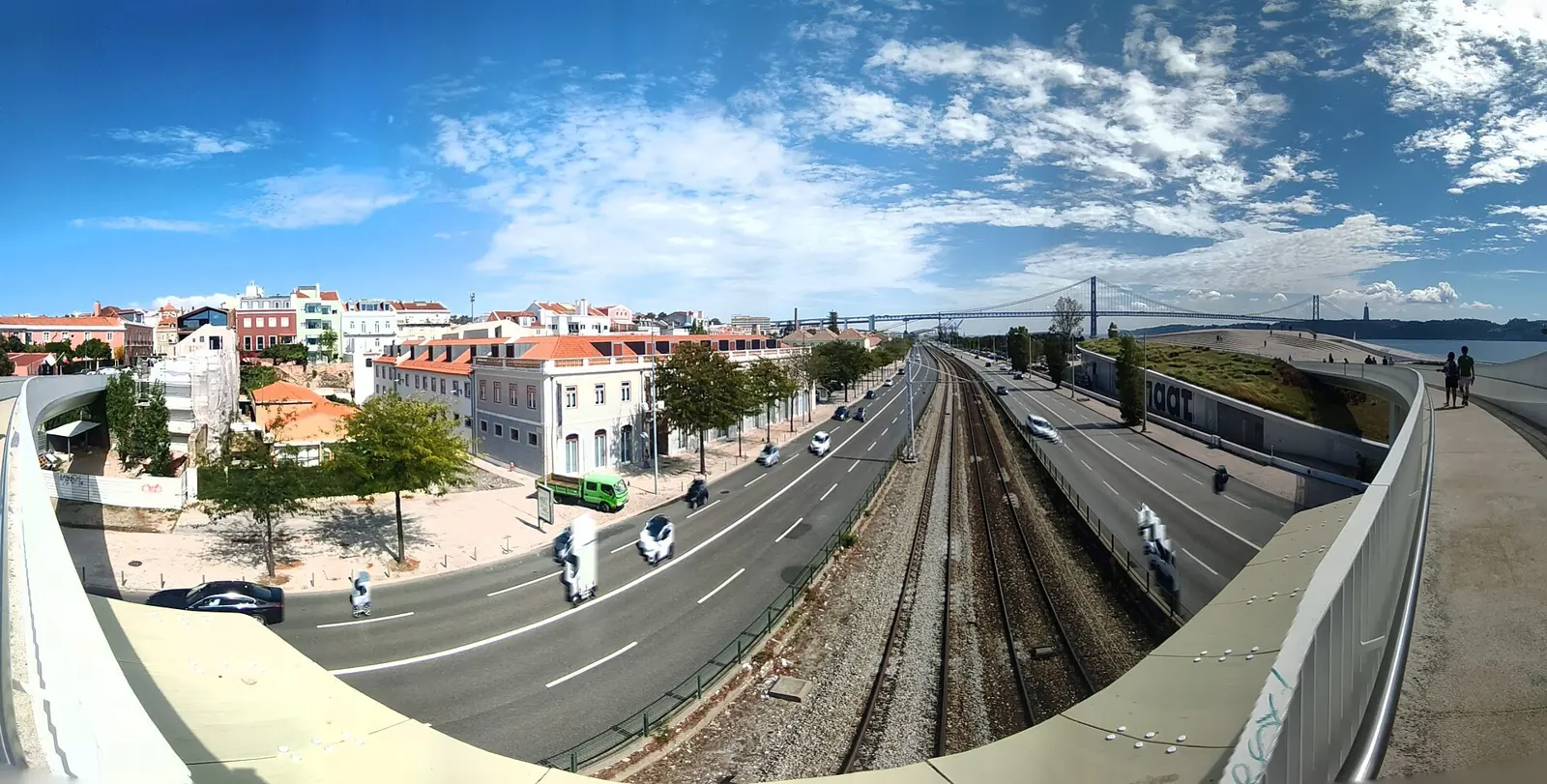
Why goSculpture that looks half-built, beside a museum you can walk over.
Pedro Cabrita Reis, who represented Portugal at the 2003 Venice Biennale, builds sculpture from the materials of construction sites: steel, glass, brick, fluorescent tubes. His work has the provisional look of something halfway between being built and being abandoned, which makes MAAT, a riverside museum of art, architecture and technology at Belém, an apt host. Amanda Levete's building, opened in 2016, has a roof you can walk across and down to the Tagus. Come for one of Portugal's most important artists; stay for the light on the river.