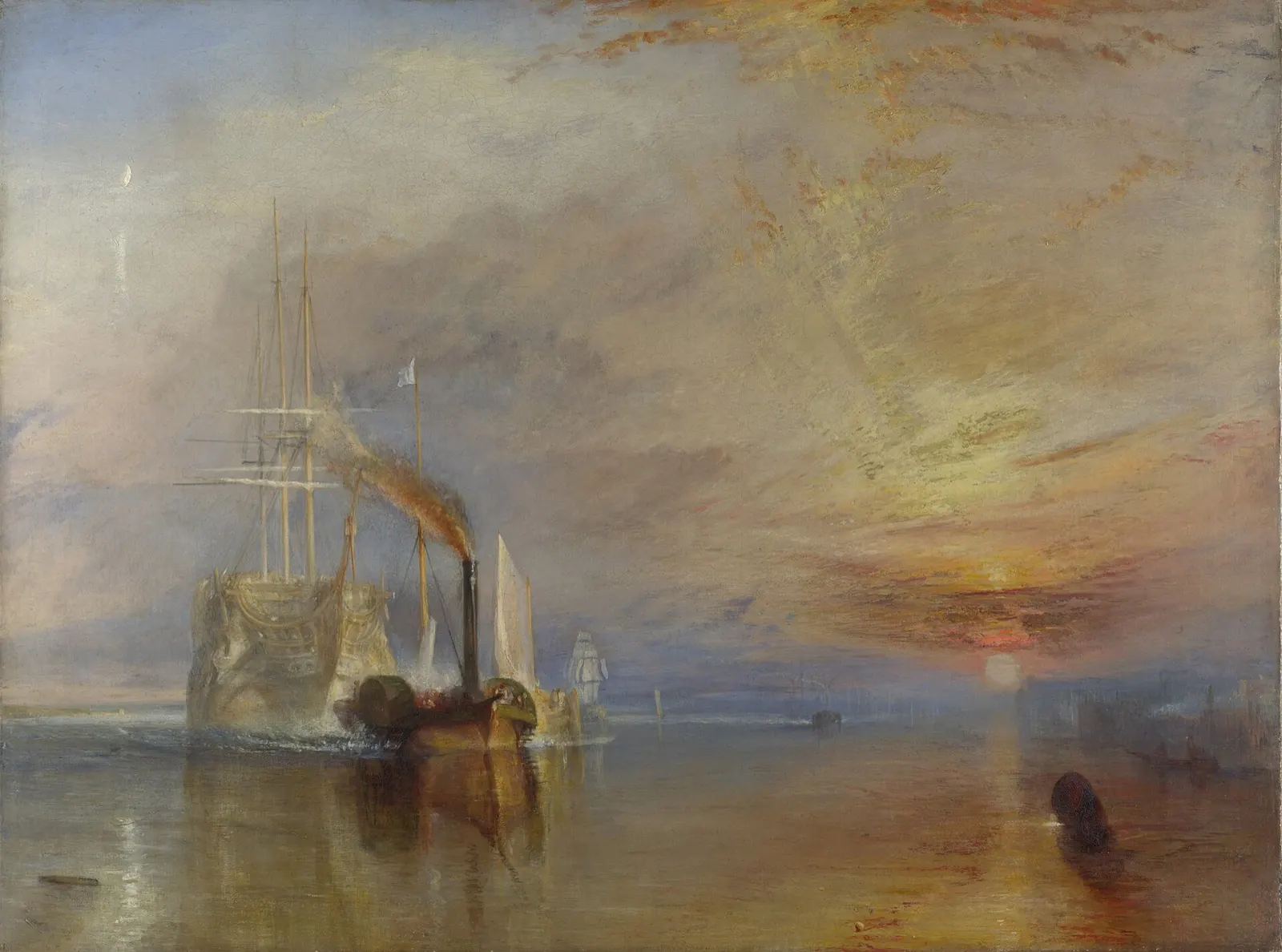
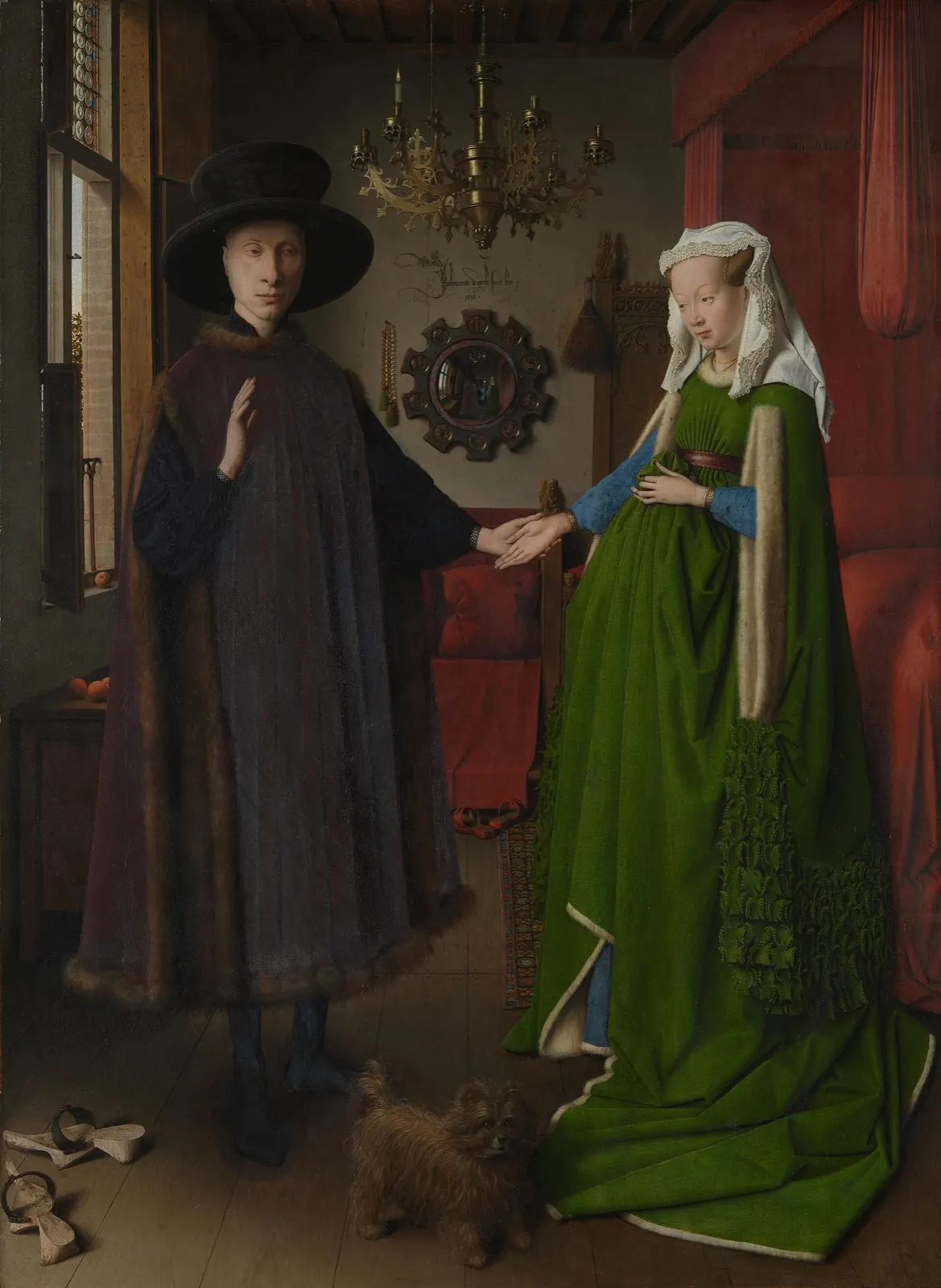
Jan van Eyck, The Arnolfini Portrait, 1434. National Gallery, London · Public domain
Museum · Trafalgar Square
The National Gallery
Western painting from Giotto to Cézanne, free, in one building. The Sainsbury Wing reopened in 2025 after its renovation, with the early Renaissance rooms rehung.
Look for: The convex mirror at the back of van Eyck's Arnolfini Portrait, and the two tiny figures reflected in it.
Free · daily
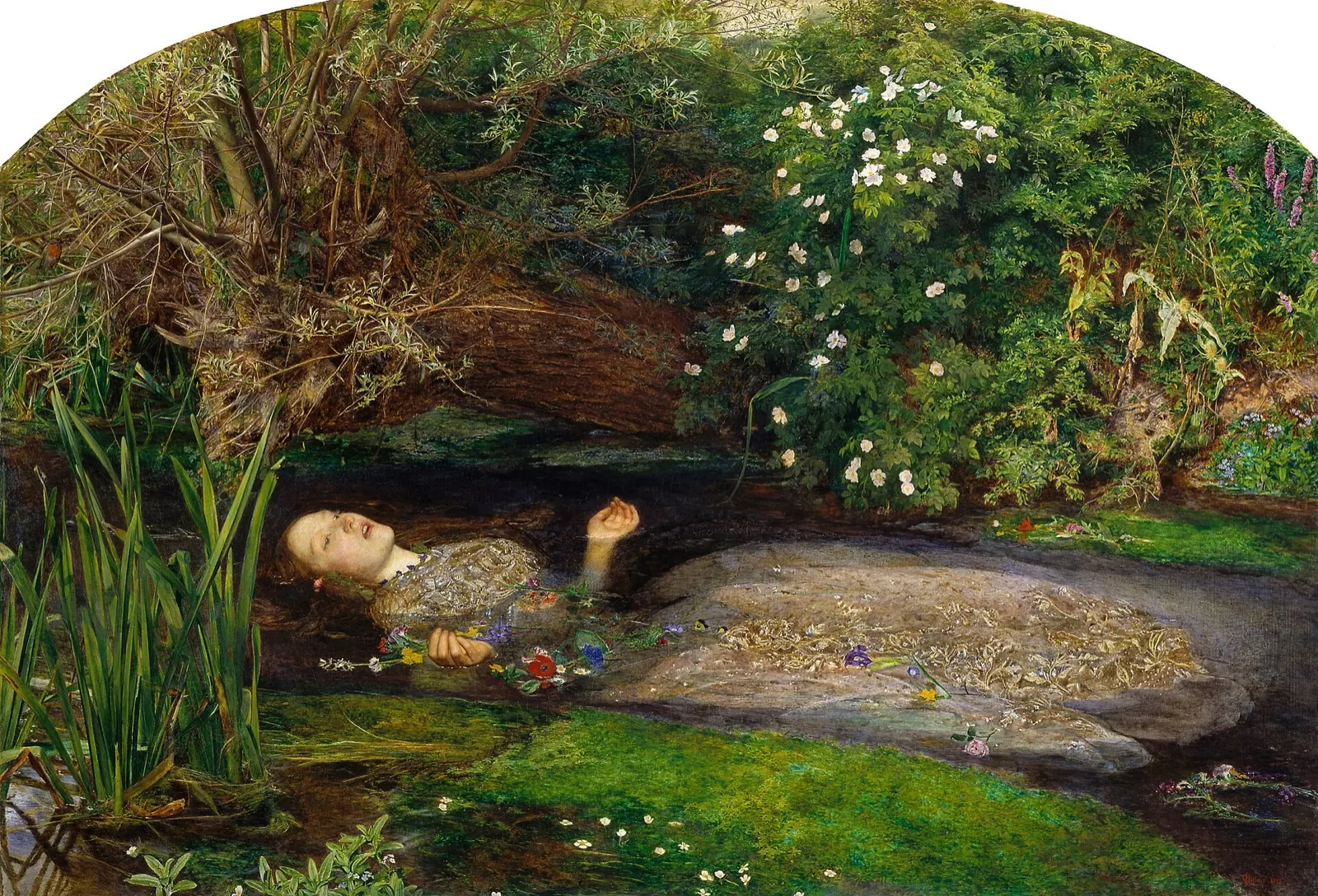
John Everett Millais, Ophelia, 1851–52. Tate Britain · Public domain
Museum · Millbank
Tate Britain
British art from 1500 to now, and the Clore Galleries, built to hold the Turner Bequest. Quieter than Tate Modern and often better.
Look for: Millais's Ophelia, painted outdoors on the Hogsmill River while his model lay in a bath in Gower Street.
Free collection · paid exhibitions
Tate Modern, London · CC BY-SA 4.0
Museum · Bankside
Tate Modern
A power station turned into the world's most visited modern art museum. The Turbine Hall commission changes every autumn.
Look for: The view of St Paul's from the 10th-floor terrace of the Blavatnik Building.
Free collection · paid exhibitions
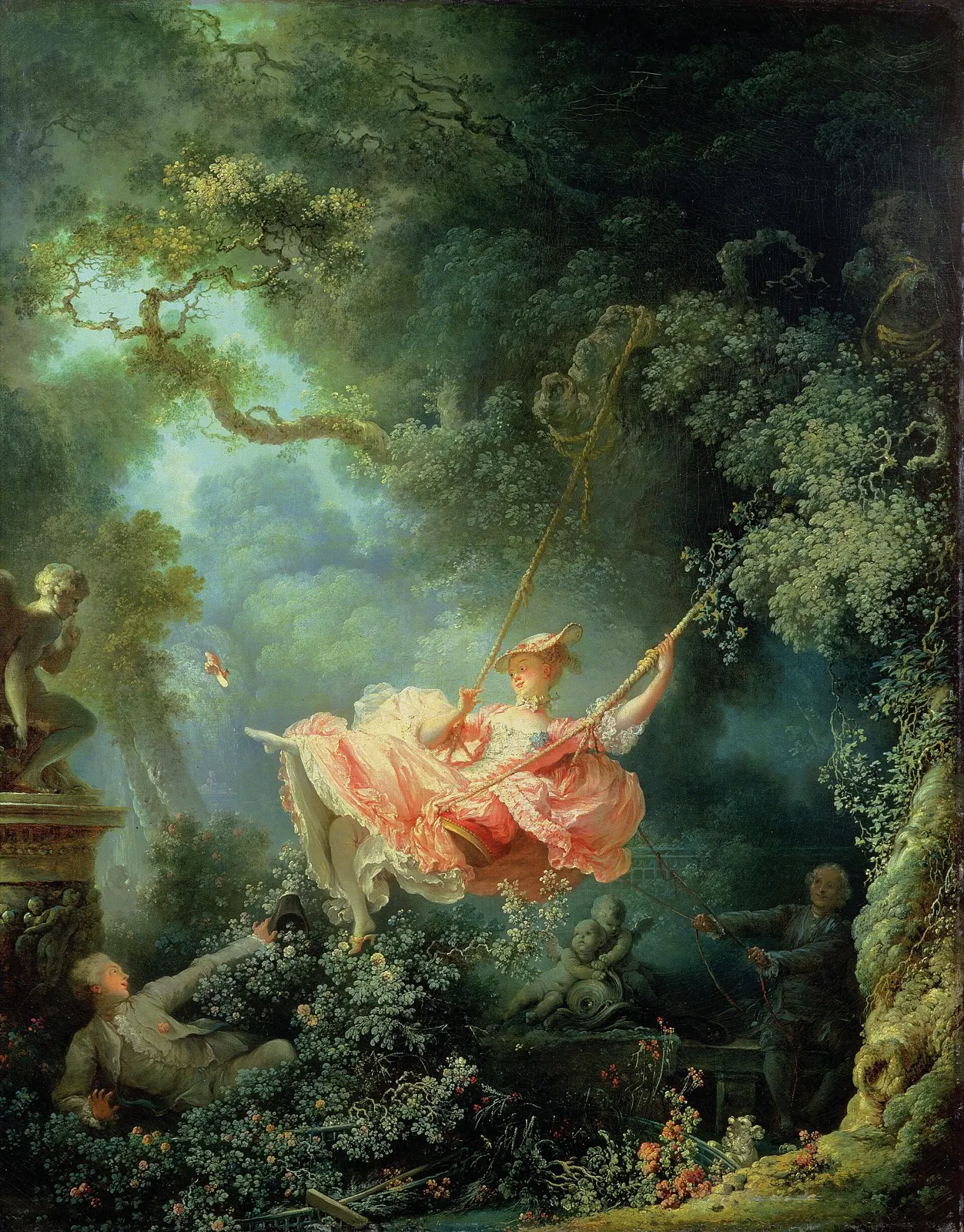
Jean-Honoré Fragonard, The Swing, 1767. The Wallace Collection · Public domain
Museum · Manchester Square, Marylebone
The Wallace Collection
A private collection left to the nation in 1897 on condition that nothing ever leaves the house: French 18th-century painting, armour, Sèvres, and Frans Hals's Laughing Cavalier.
Look for: Fragonard's The Swing, and the slipper flying off the girl's foot.
Free · daily
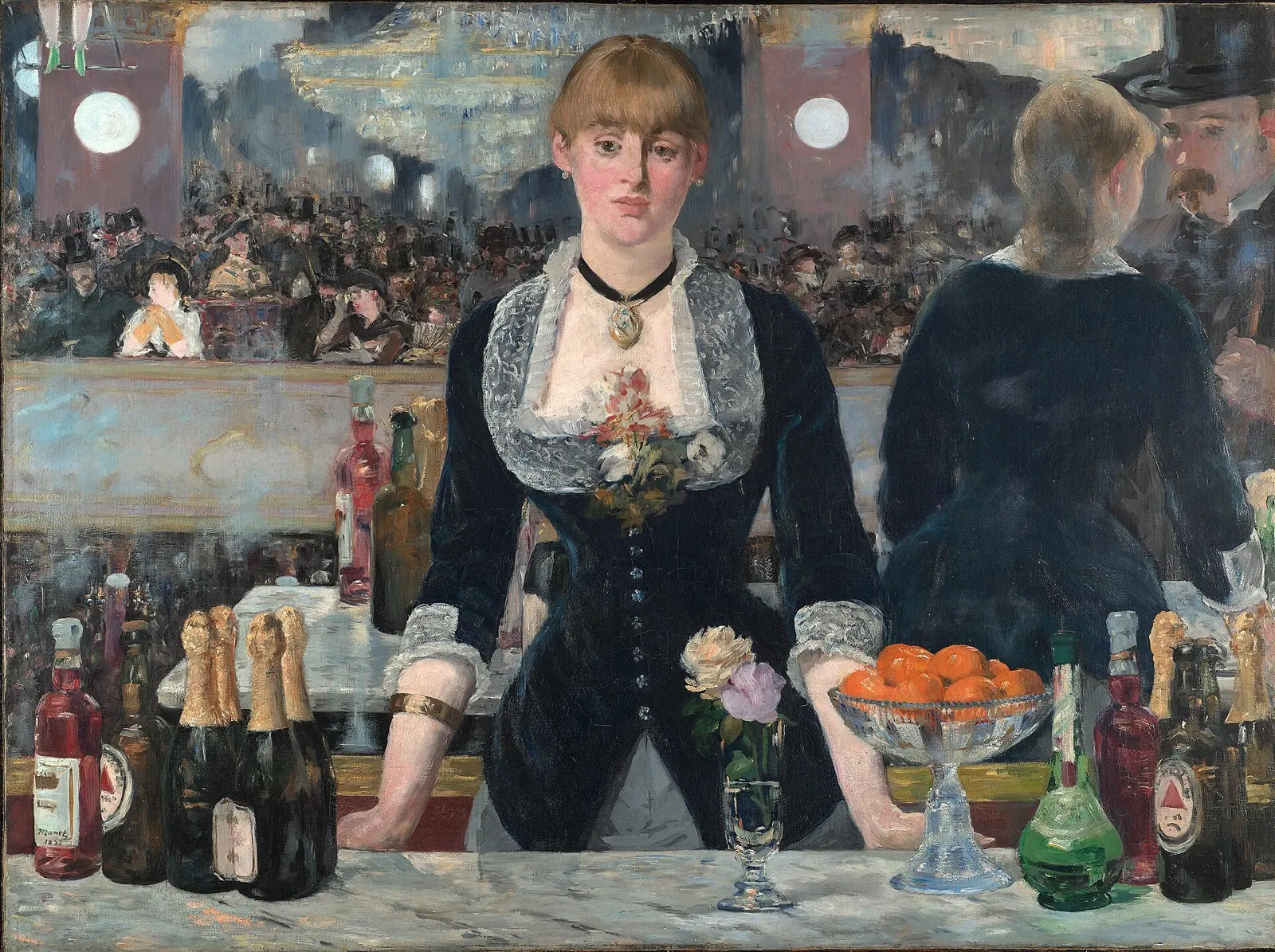
Édouard Manet, A Bar at the Folies-Bergère, 1882. The Courtauld · Public domain
Museum · Somerset House, Strand
The Courtauld Gallery
A small university collection with an outsized Impressionist room: Manet, Cézanne, Gauguin, and Van Gogh's Self-Portrait with Bandaged Ear.
Look for: The mirror behind the barmaid in Manet's A Bar at the Folies-Bergère, which doesn't add up.
Book ahead at weekends
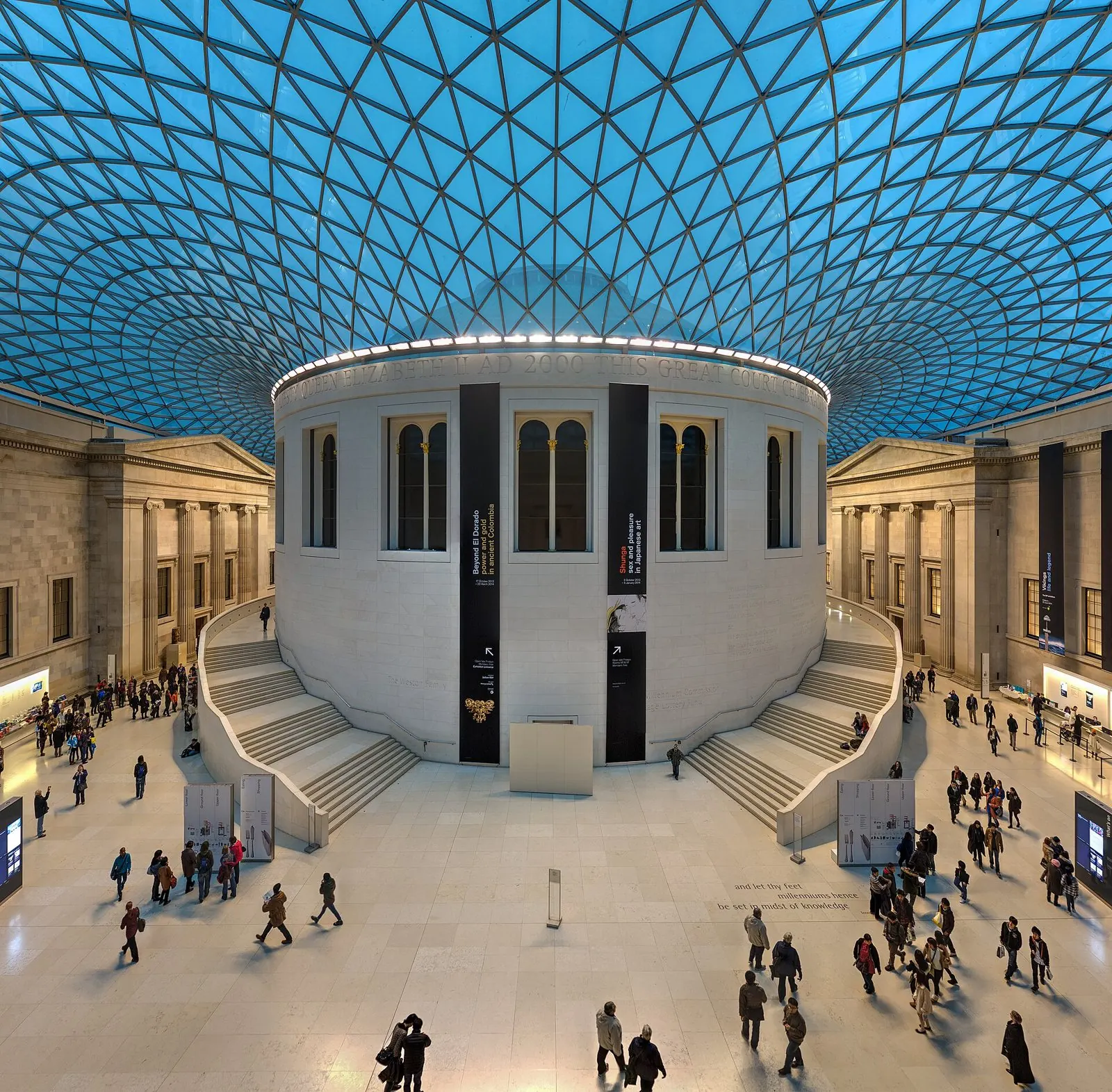
The British Museum, London · CC BY-SA 3.0
Museum · Bloomsbury
The British Museum
Two million years of human making. Too big to see: choose three rooms. The Assyrian lion-hunt reliefs (Room 10) are among the greatest carvings anywhere.
Look for: The dying lioness in the Ashurbanipal reliefs, dragging her paralysed back legs.
Free · daily
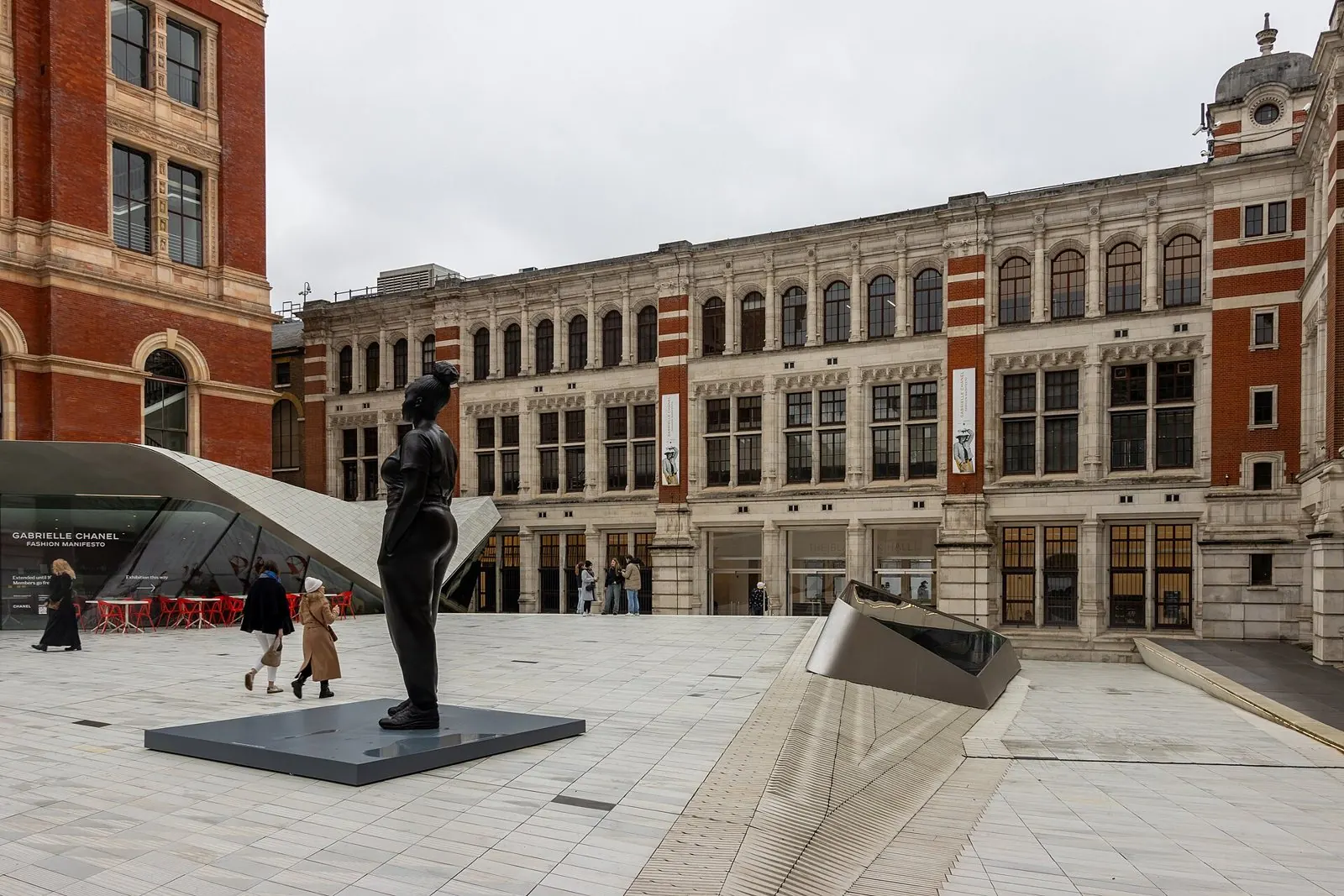
Victoria and Albert Museum, London · CC BY-SA 4.0
Museum · South Kensington
Victoria and Albert Museum
Design and decorative art across five thousand years. The Cast Courts hold full-size plaster copies of Trajan's Column and Michelangelo's David.
Look for: The fig leaf made for the David, kept in case Queen Victoria visited.
Free · late opening Fridays
Galleries · Mayfair
Mayfair and St James's galleries
Hauser & Wirth, Gagosian, White Cube, Sadie Coles, Thaddaeus Ropac and the old-master dealers of St James's, all within ten minutes' walk.
Look for: Cork Street, Savile Row and Bury Street on a Saturday afternoon.
Free · most closed Sundays and Mondays
Off the list
Off-Piste in London
Rooms, ruins and curiosities: the city's other museum.
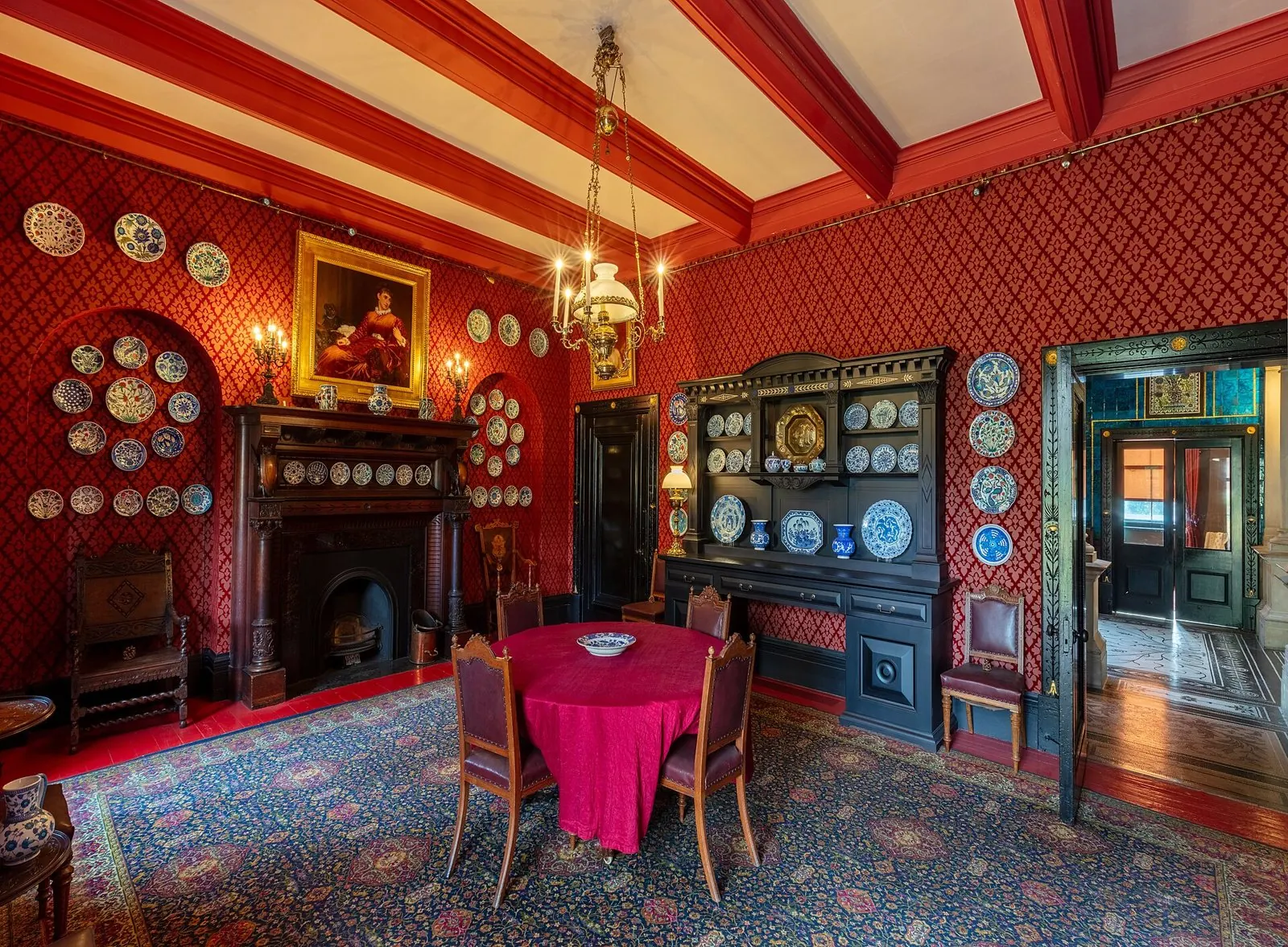
Leighton House, London · CC BY-SA 4.0
Artist house · Holland Park
Leighton House
The painter Frederic Leighton's house, built around an Arab Hall lined with Iznik and Damascus tiles he collected on his travels in Turkey, Syria and Egypt, with a fountain in the floor.
Stand in the Arab Hall and listen to the water.
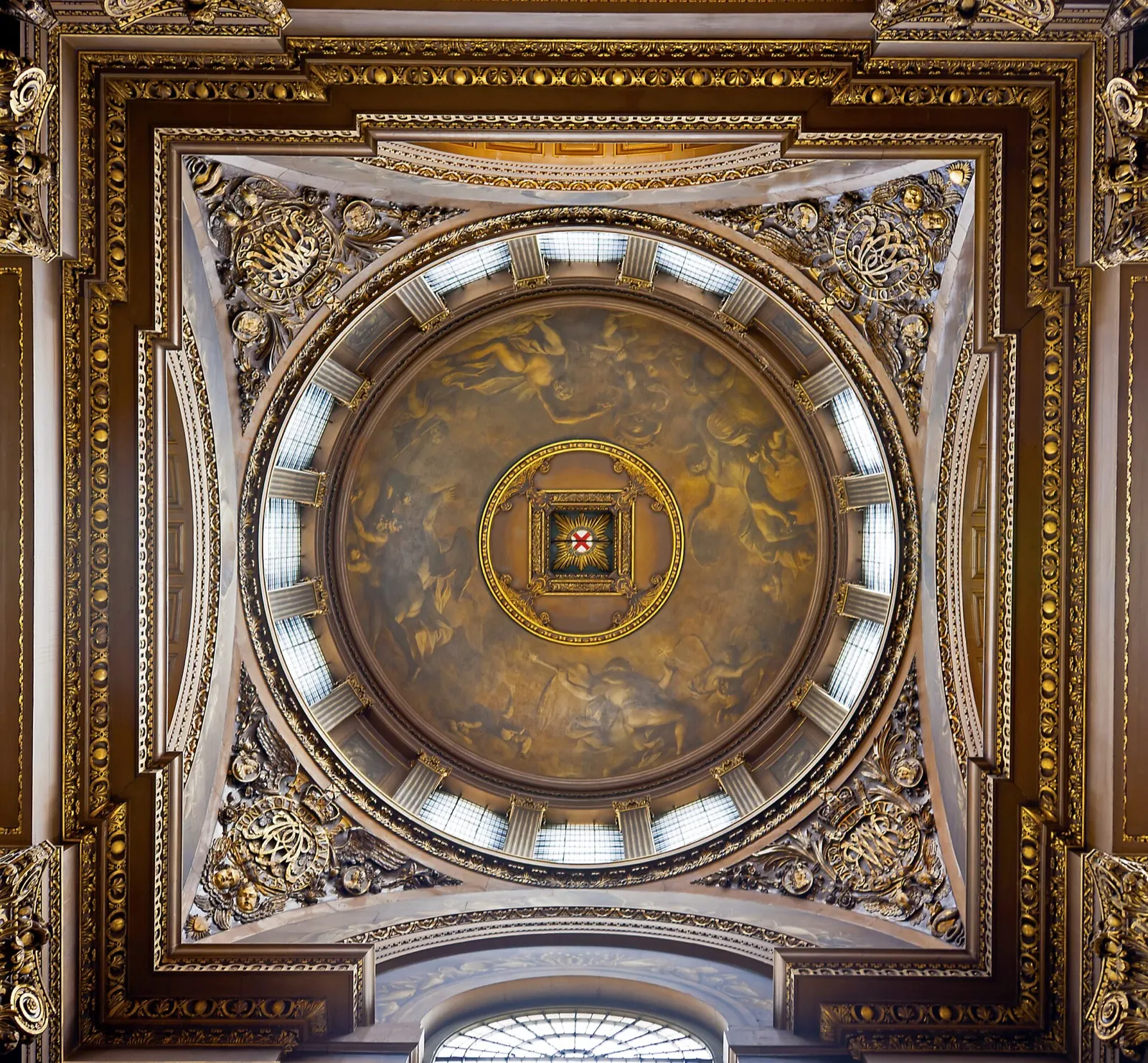
James Thornhill, the Painted Hall, Greenwich, 1707–26 · CC BY-SA 3.0
Ceiling · Old Royal Naval College, Greenwich
The Painted Hall
James Thornhill spent nineteen years (1707–26) painting this hall, often called Britain's Sistine Chapel. He painted himself in, at the far end, holding out his hand for payment.
Lie on the daybeds and use the mirrors.
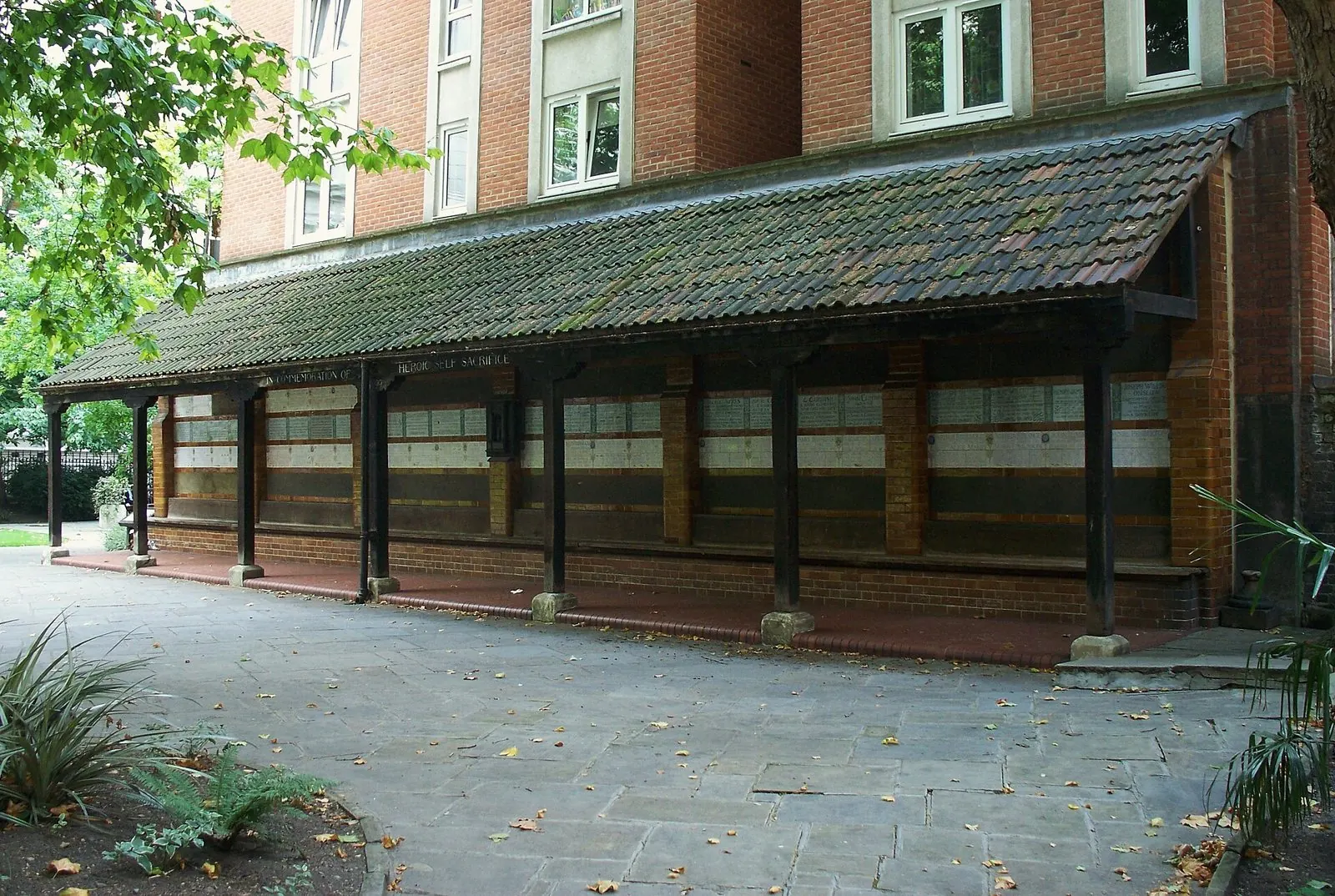
Postman's Park, London · CC BY-SA 3.0
Memorial · City of London
Postman's Park
A small churchyard garden holding G.F. Watts's Memorial to Heroic Self-Sacrifice: glazed Doulton tiles recording ordinary people who died saving others.
Read the tiles; each is a short story.
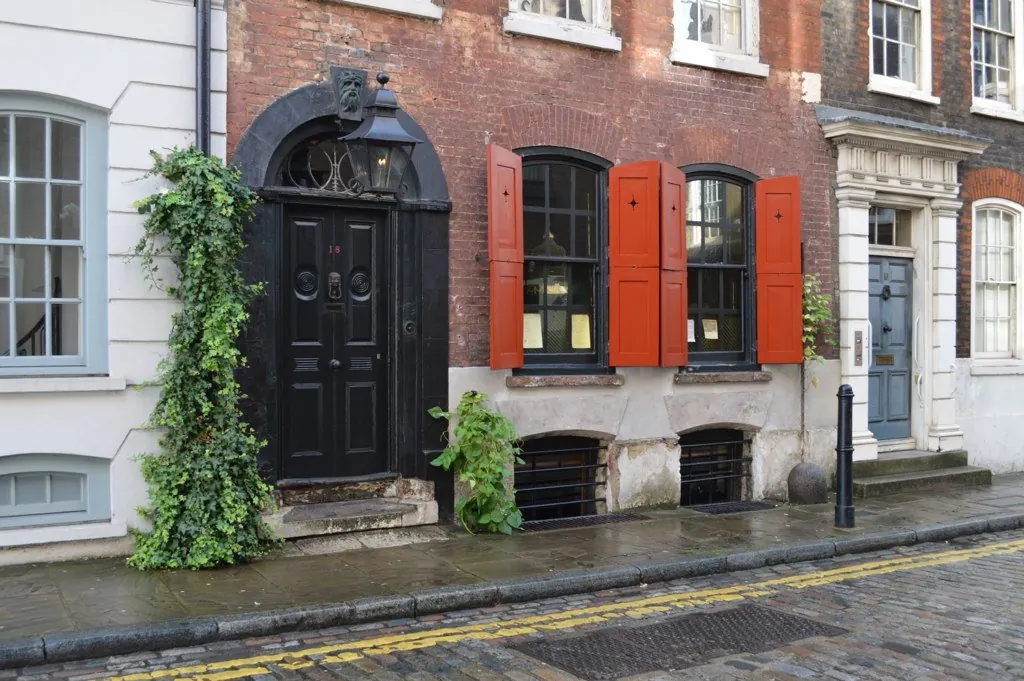
Dennis Severs' House, London · CC BY 2.0
Interior · Spitalfields
Dennis Severs' House
Ten rooms arranged as if a family of Huguenot silk weavers had just left them, from 1724 to 1914. Candlelit, half-eaten bread, silence requested.
Go for a silent evening visit.
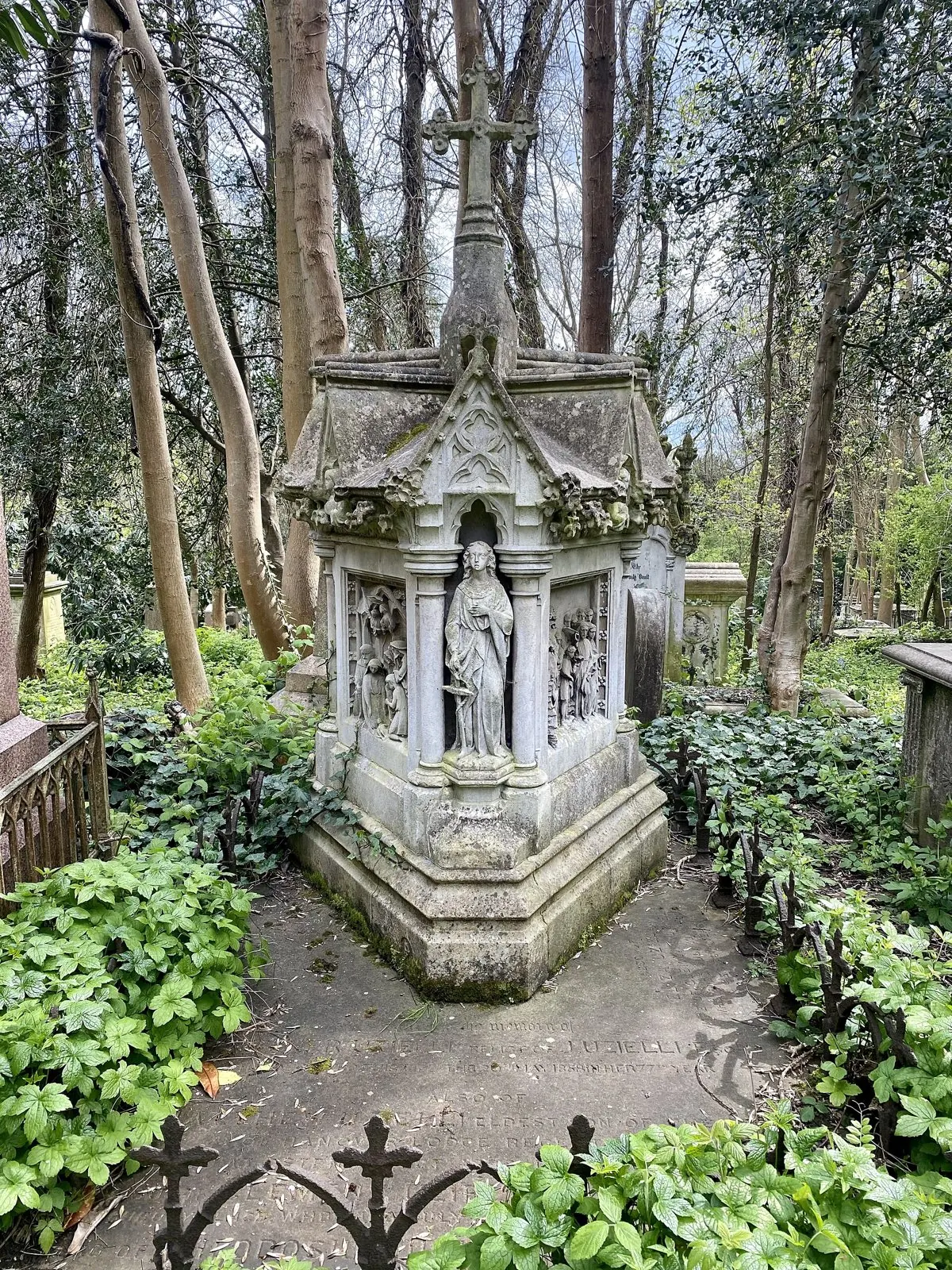
Highgate Cemetery, London · CC BY-SA 4.0
Cemetery · Highgate
Highgate Cemetery
A Victorian cemetery of catacombs, an Egyptian Avenue and a Circle of Lebanon, slowly being taken back by ivy. Karl Marx is in the East Cemetery.
The West Cemetery is guided tours only: book one.
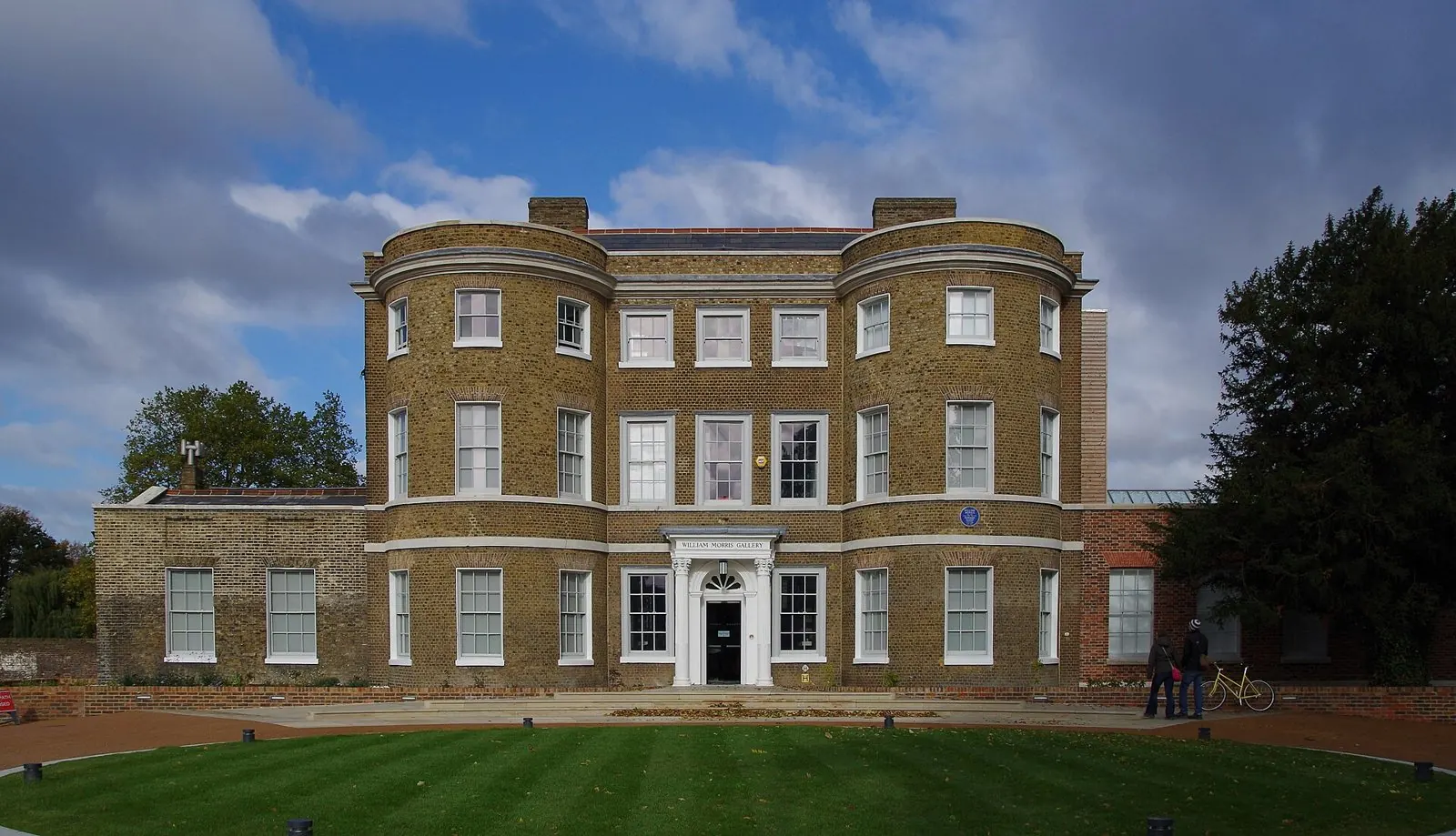
William Morris Gallery, London · CC BY-SA 3.0
Artist house · Walthamstow
William Morris Gallery
Morris's family home, now a museum of his wallpapers, textiles and politics, in a park at the end of the Victoria line.
The Strawberry Thief, and the garden behind the house.
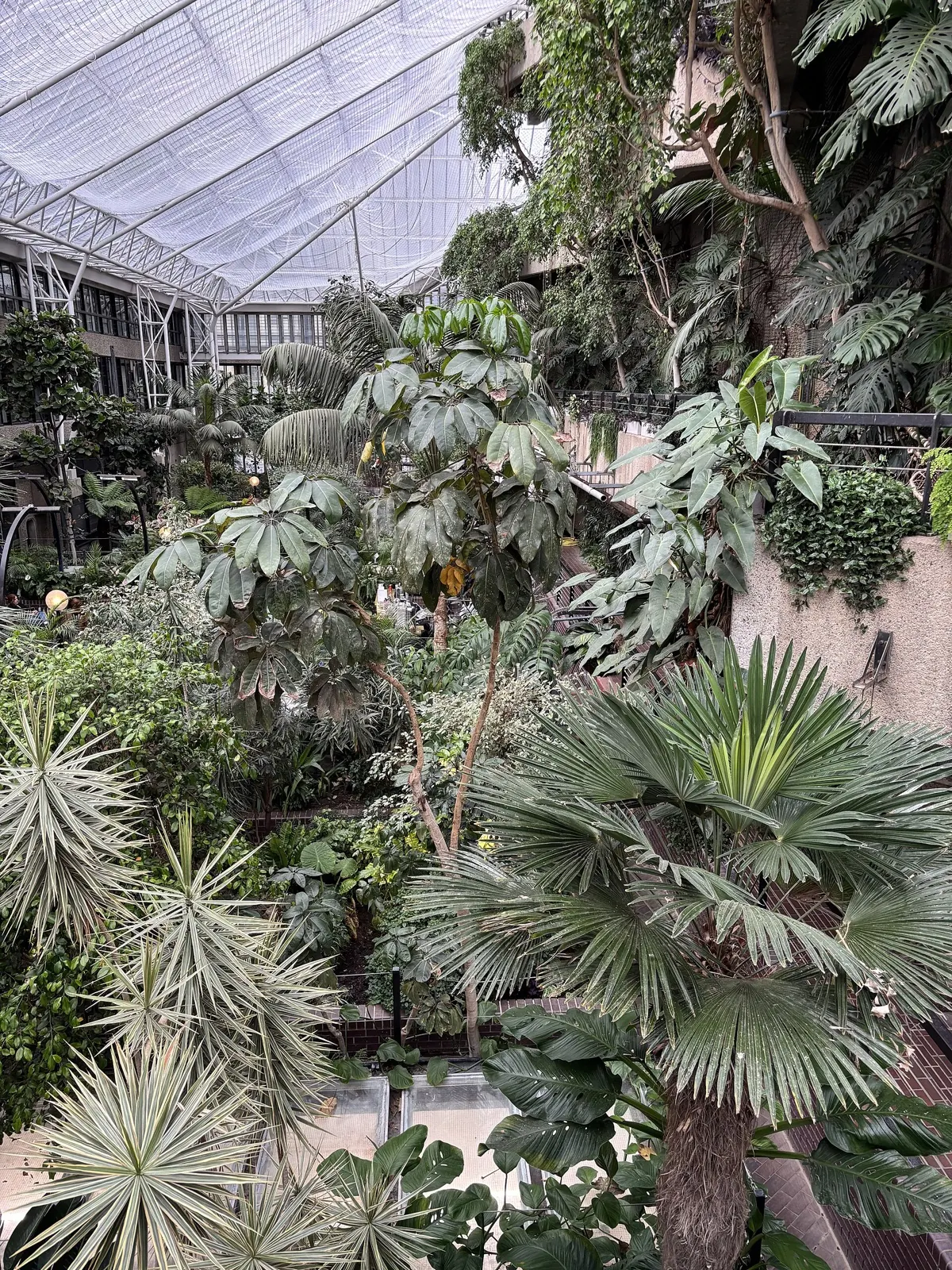
The Barbican Conservatory, London · CC BY 4.0
Architecture · Barbican, City of London
The Barbican Conservatory
Behind the arts centre's fly tower, London's second-largest conservatory: more than 1,500 species of plants climbing over Brutalist concrete, with koi in the pools.
Open on selected days, free; book a slot.
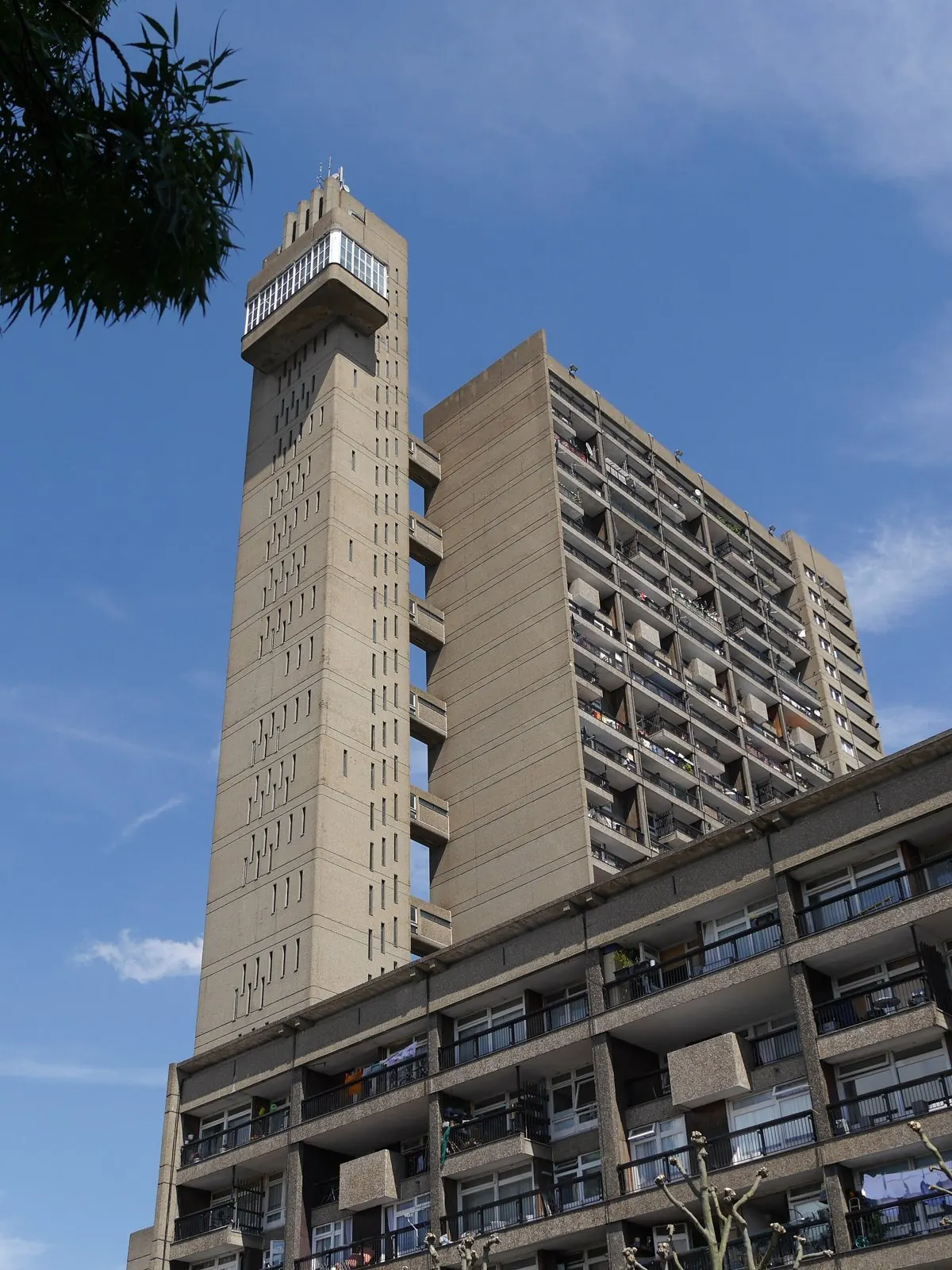
Trellick Tower, London · CC BY-SA 3.0
Architecture · North Kensington
Trellick Tower
Ernő Goldfinger's 31-storey Brutalist tower of 1972, with its lift-and-service shaft set apart and joined by a bridge every three floors. Once dreaded, now listed and loved.
Look from the Grand Union Canal towpath.
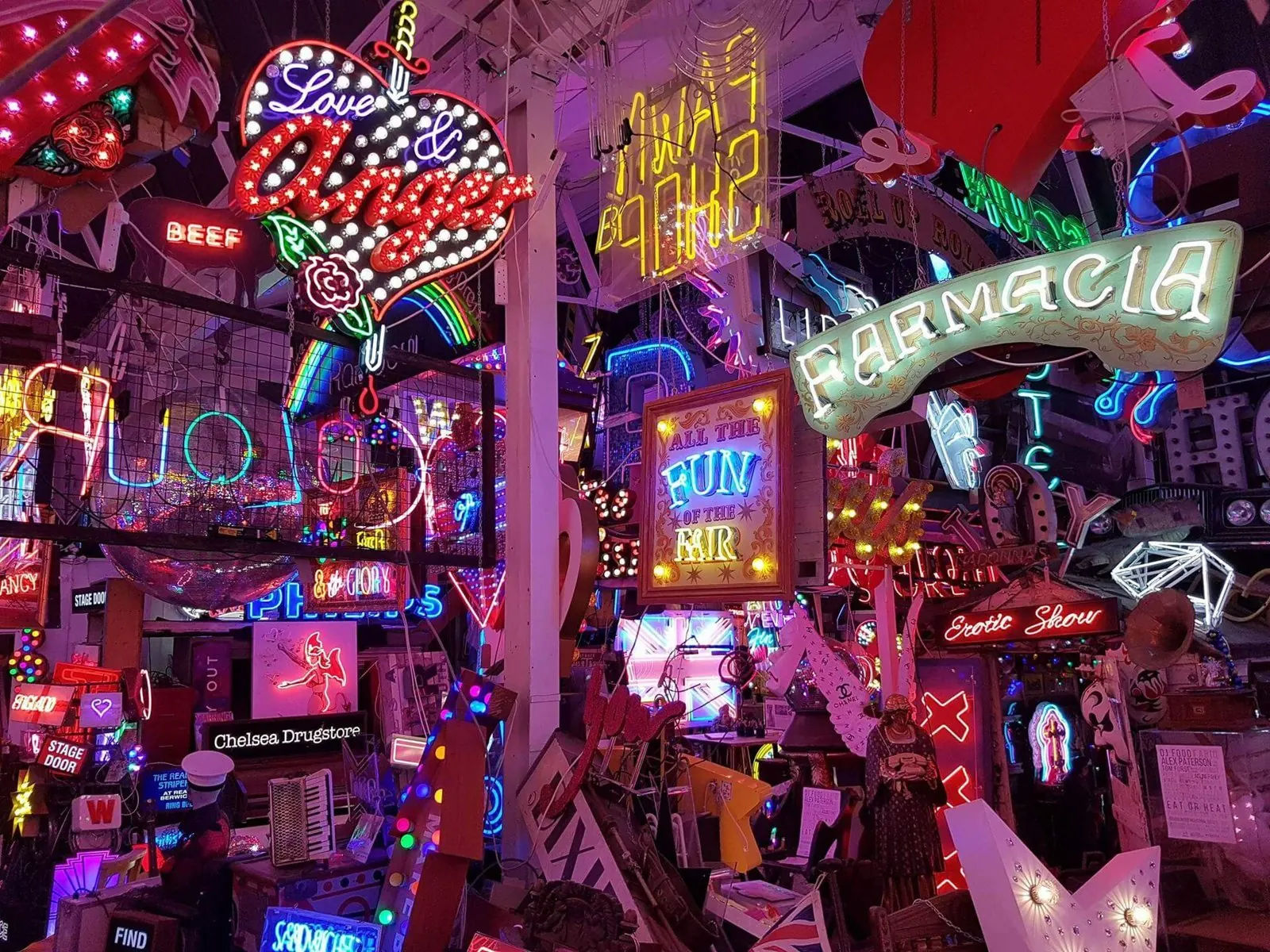
God's Own Junkyard, London · CC BY 4.0
Workshop · Walthamstow
God's Own Junkyard
Chris Bracey's warehouse of neon signs, from Soho sex shops to film sets, all lit at once. His family still runs it.
Open Friday to Sunday; the café is inside the glow.
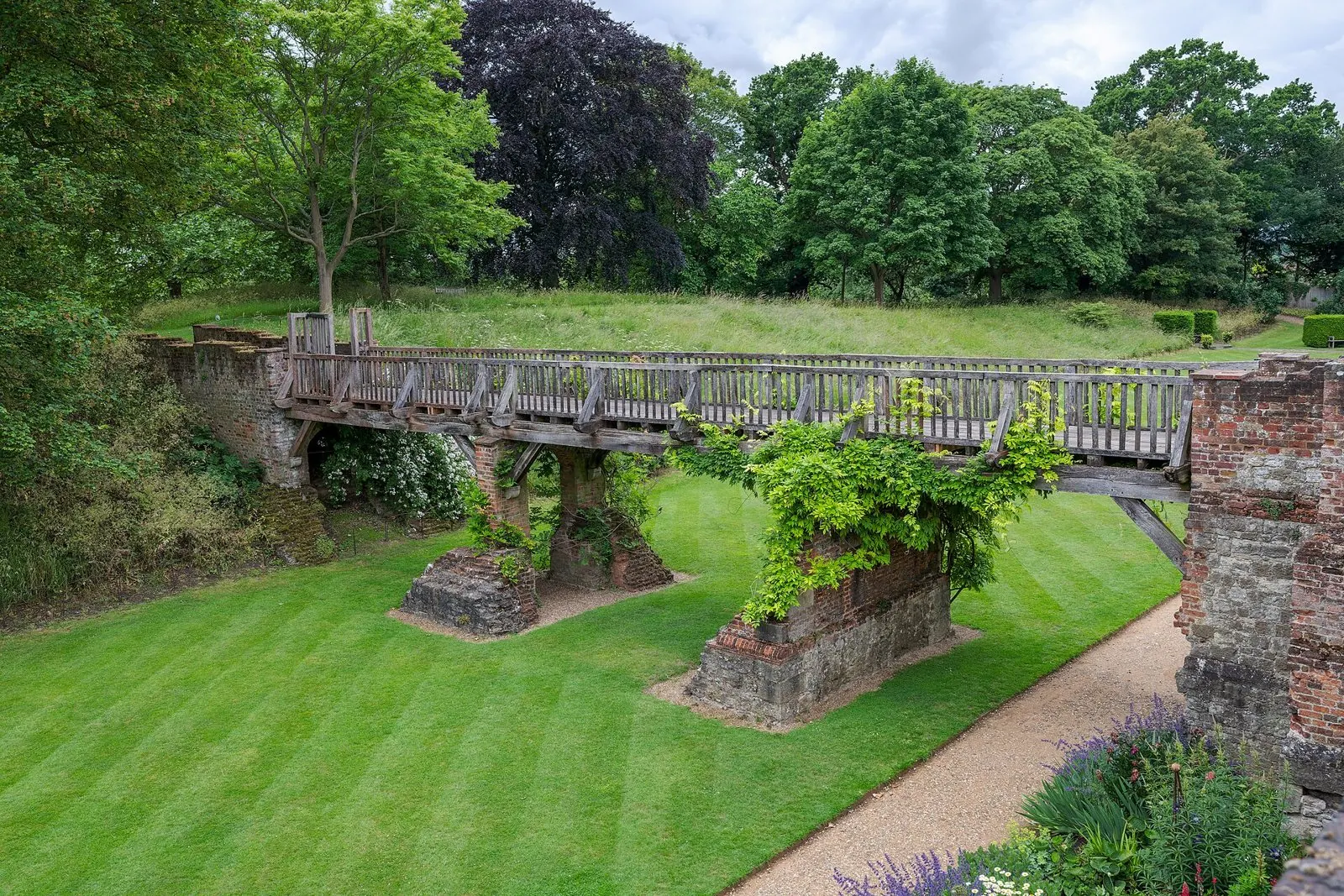
Eltham Palace, London · CC BY-SA 4.0
Interior · Eltham
Eltham Palace
In the 1930s the millionaires Stephen and Virginia Courtauld built an Art Deco house onto a medieval royal palace. It has a circular entrance hall lined with marquetry and a heated cage for their pet lemur.
The National Gallery at opening → walk down Whitehall to Tate Britain → riverboat from Millbank Pier to Bankside → Tate Modern → cross the Millennium Bridge → Postman's Park → evening at Dennis Severs' House.