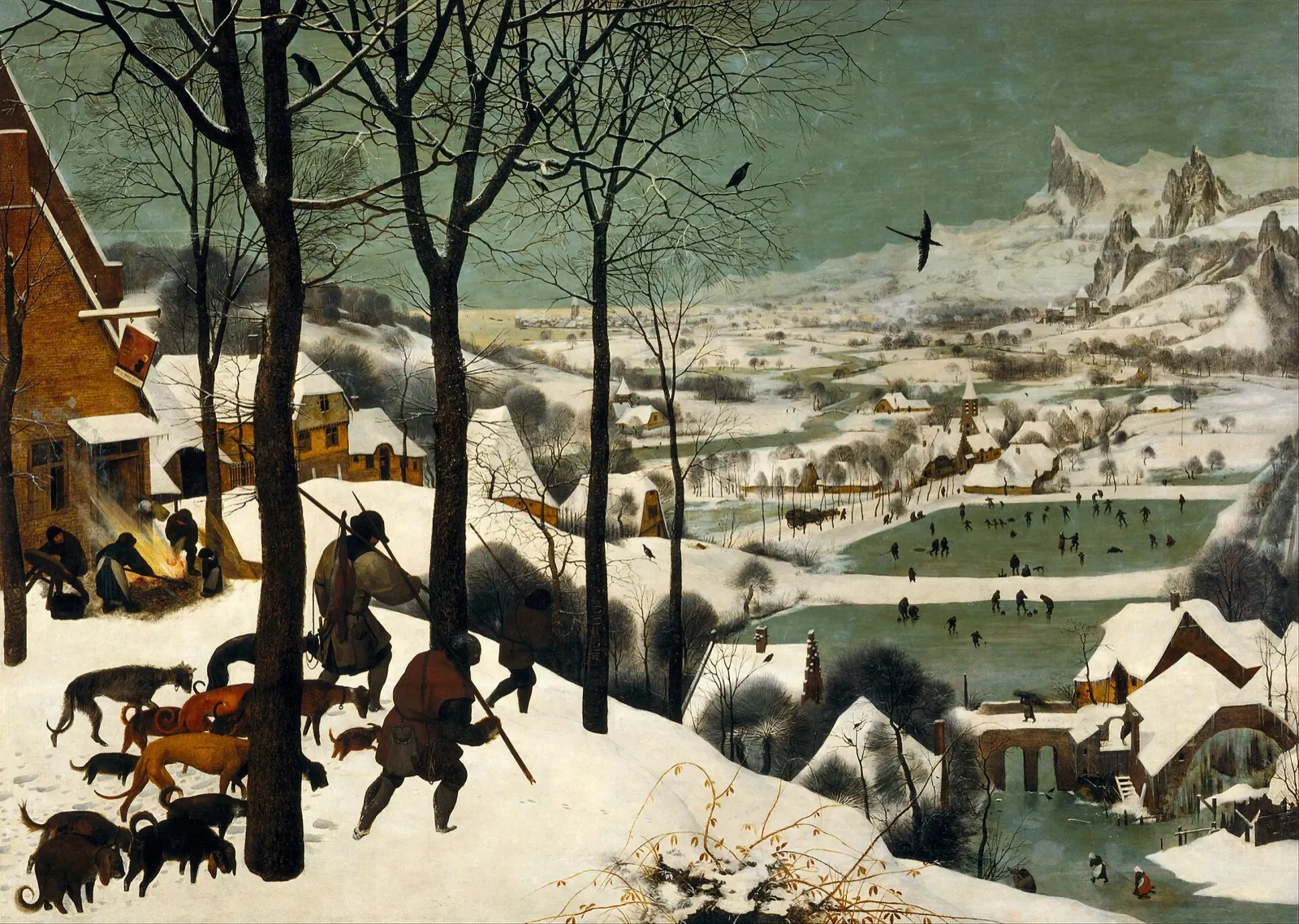
Pieter Bruegel the Elder, Hunters in the Snow, 1565. Kunsthistorisches Museum, Vienna · Public domain
Museum · Museumsplatz
Kunsthistorisches Museum
The Habsburg collections in a gilded palace, with the largest group of Bruegels anywhere. Klimt painted the spandrels above the staircase.
Look for: Bruegel's Hunters in the Snow, and the skaters in the valley.
Closed Mondays outside summer
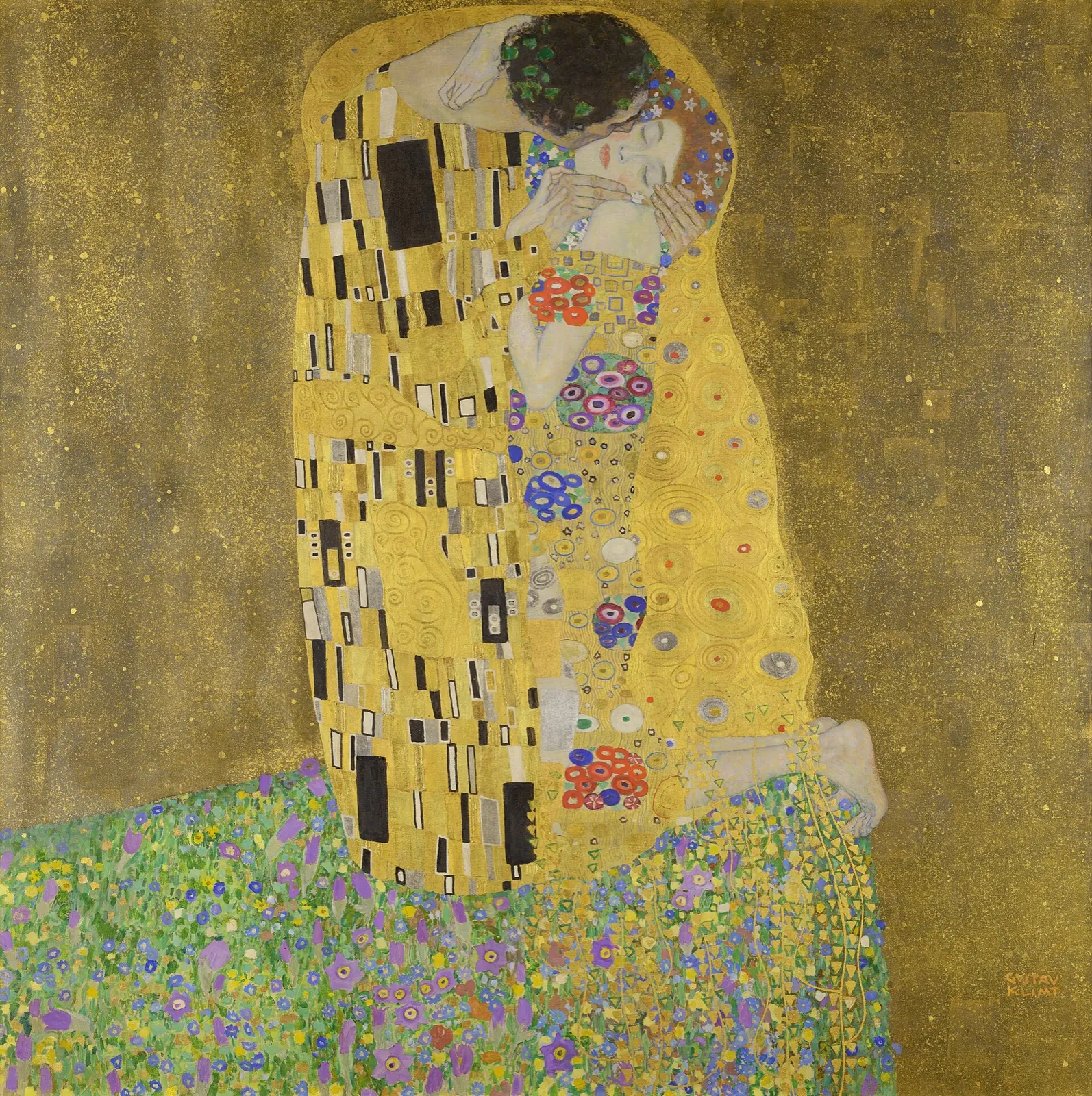
Gustav Klimt, The Kiss, 1907–08. Belvedere, Vienna · Public domain
Museum · Landstraße
Belvedere
Prince Eugene's Baroque palaces, holding Klimt's The Kiss and the great Austrian collection.
Look for: Messerschmidt's character heads, grimacing in a room of their own.
Daily
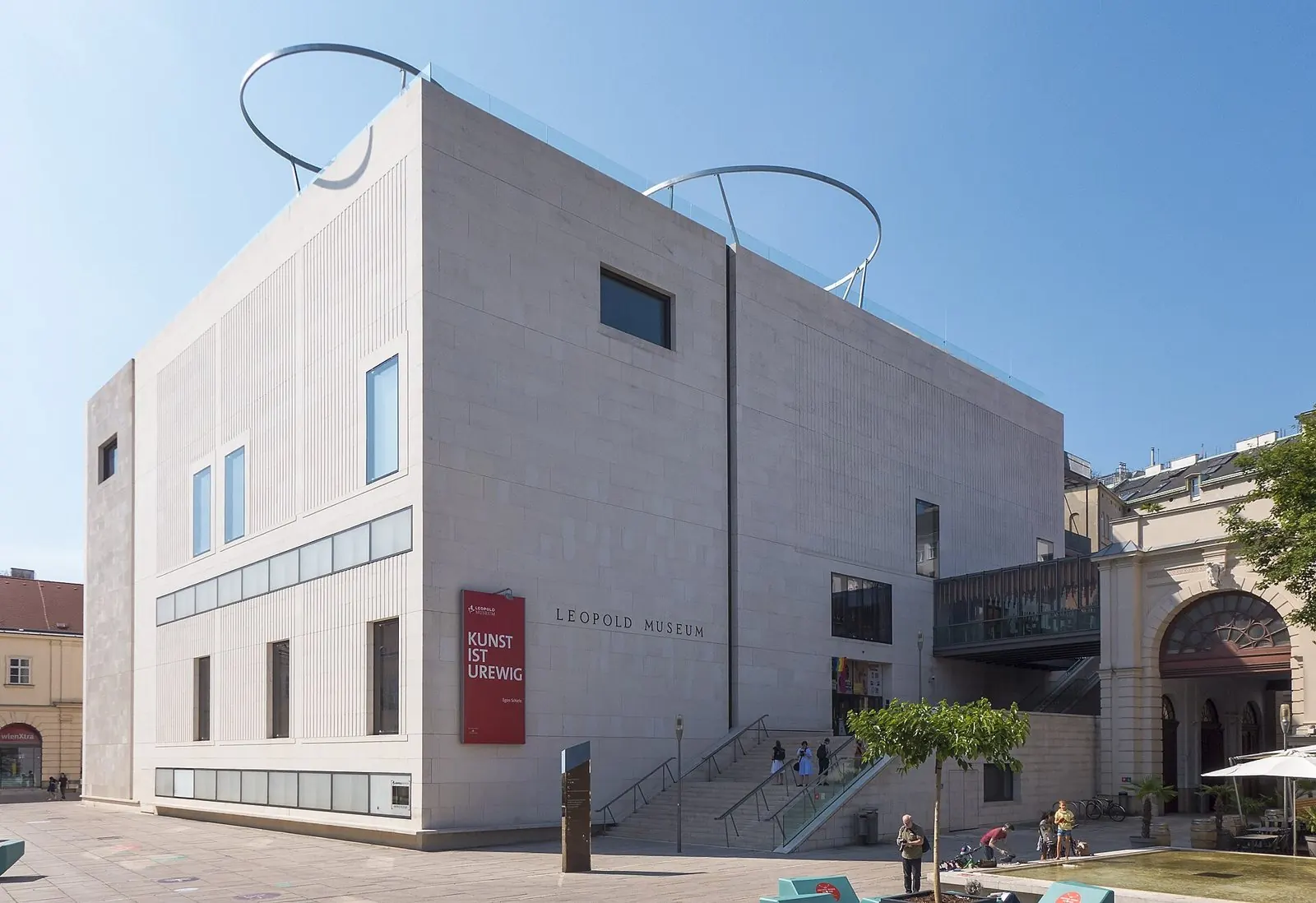
Leopold Museum, Vienna · CC0
Museum · MuseumsQuartier
Leopold Museum
The largest collection of Egon Schiele in the world, with Klimt, Kokoschka and the Wiener Werkstätte.
Look for: Schiele's self-portraits.
Daily
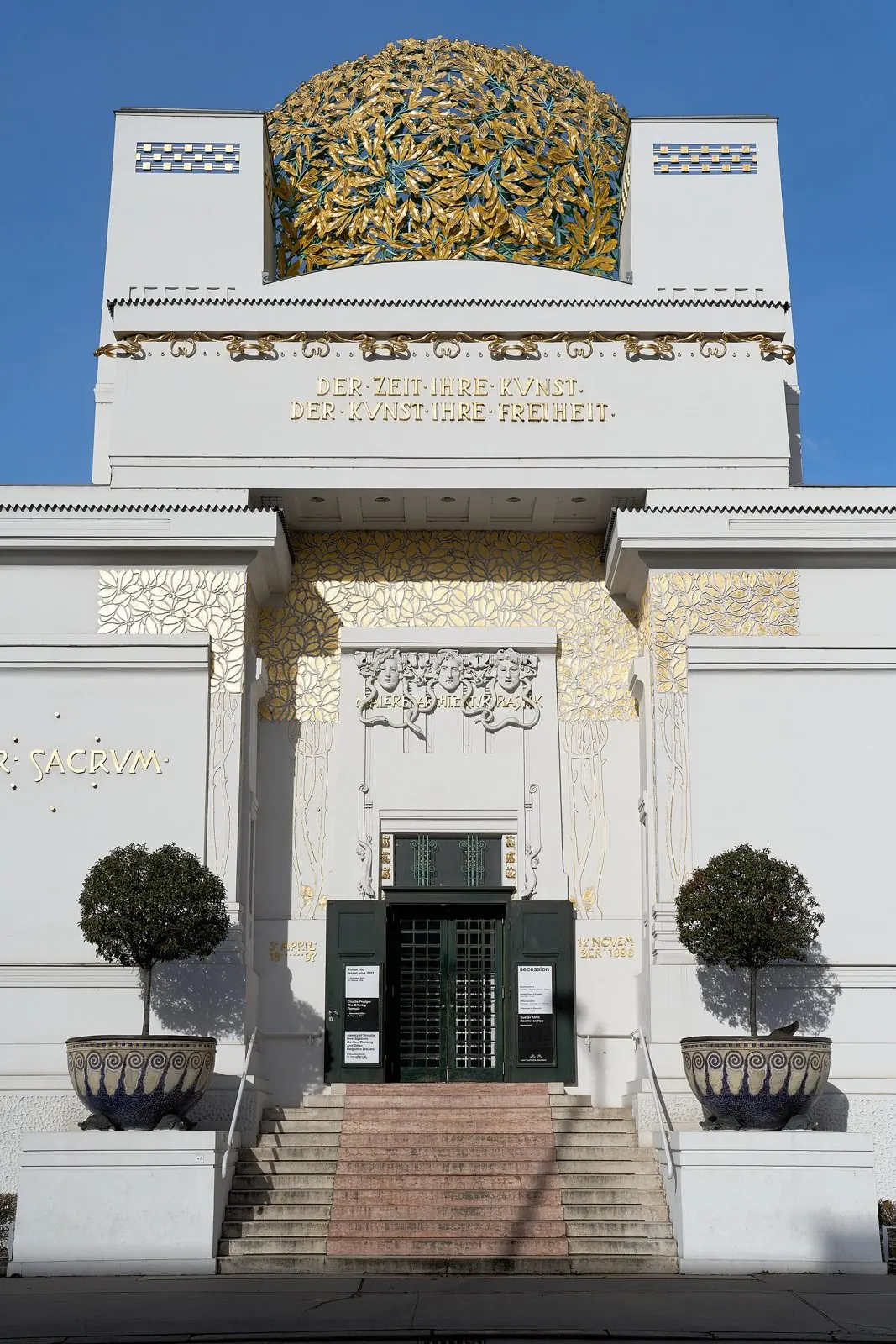
Secession, Vienna · CC BY-SA 4.0
Exhibition hall · Karlsplatz
Secession
The artists' exhibition house of 1898 with its dome of gilded laurel leaves. In the basement, Klimt's Beethoven Frieze.
Look for: The inscription: 'To every age its art, to art its freedom.'
Closed Mondays
Off the list
Off-Piste in Vienna
Rooms, ruins and curiosities: the city's other museum.
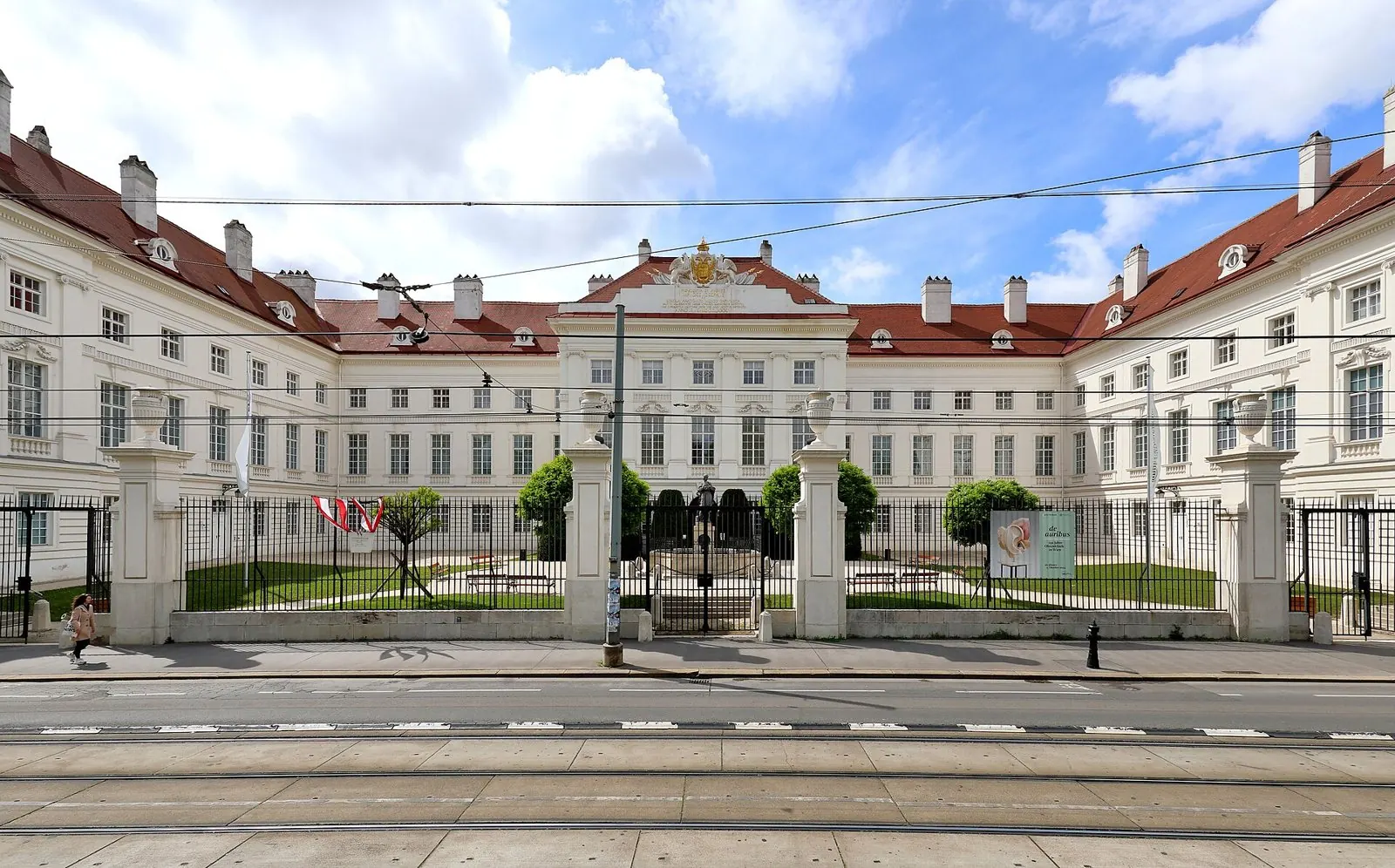
Josephinum, Vienna · CC BY-SA 4.0
Unusual museum · Alsergrund
Josephinum
Anatomical wax models commissioned by Joseph II in Florence in the 1780s, in their original rosewood and Venetian glass cases.
The flayed reclining Venus.
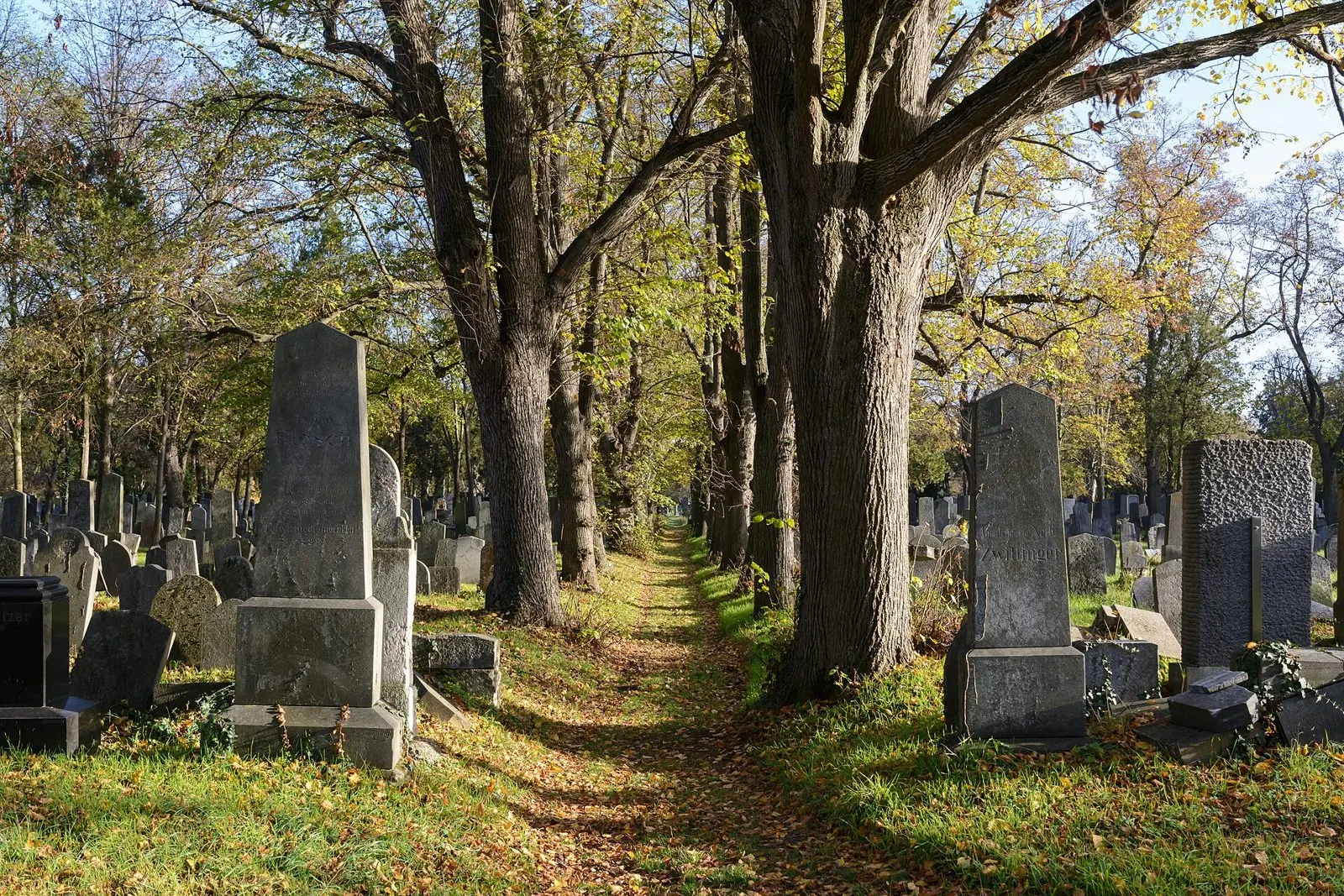
Zentralfriedhof, Vienna · CC BY-SA 4.0
Cemetery · Simmering
Zentralfriedhof
One of Europe's largest cemeteries: Beethoven, Brahms, Schubert, and Adolf Loos's own cube of a gravestone.
The Art Nouveau church at the centre.
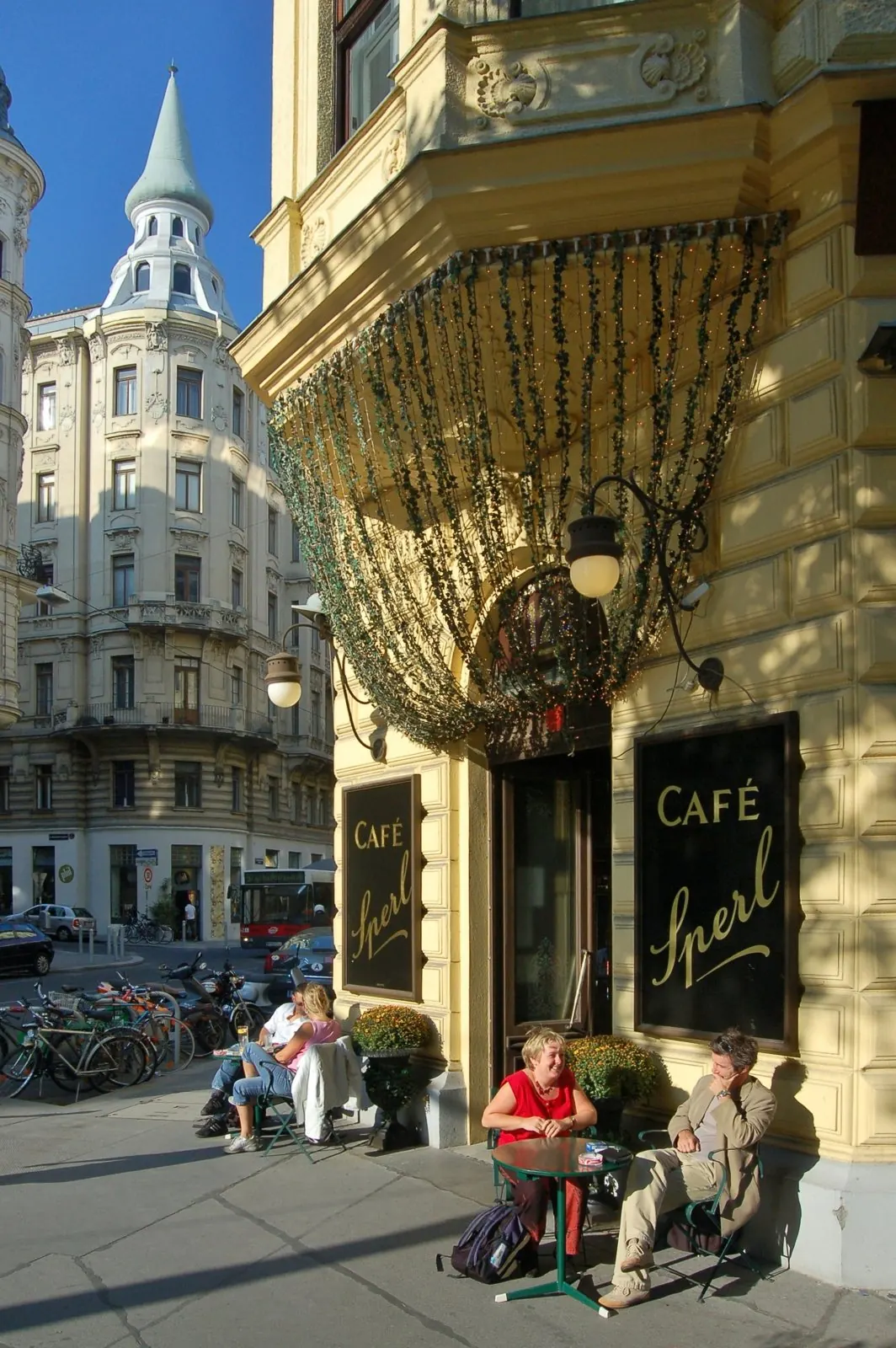
Café Sperl, Vienna · CC BY-SA 3.0
Café · Mariahilf
Café Sperl
An 1880 coffee house of billiard tables and worn banquettes, almost unchanged.
Order a Melange and stay an hour.
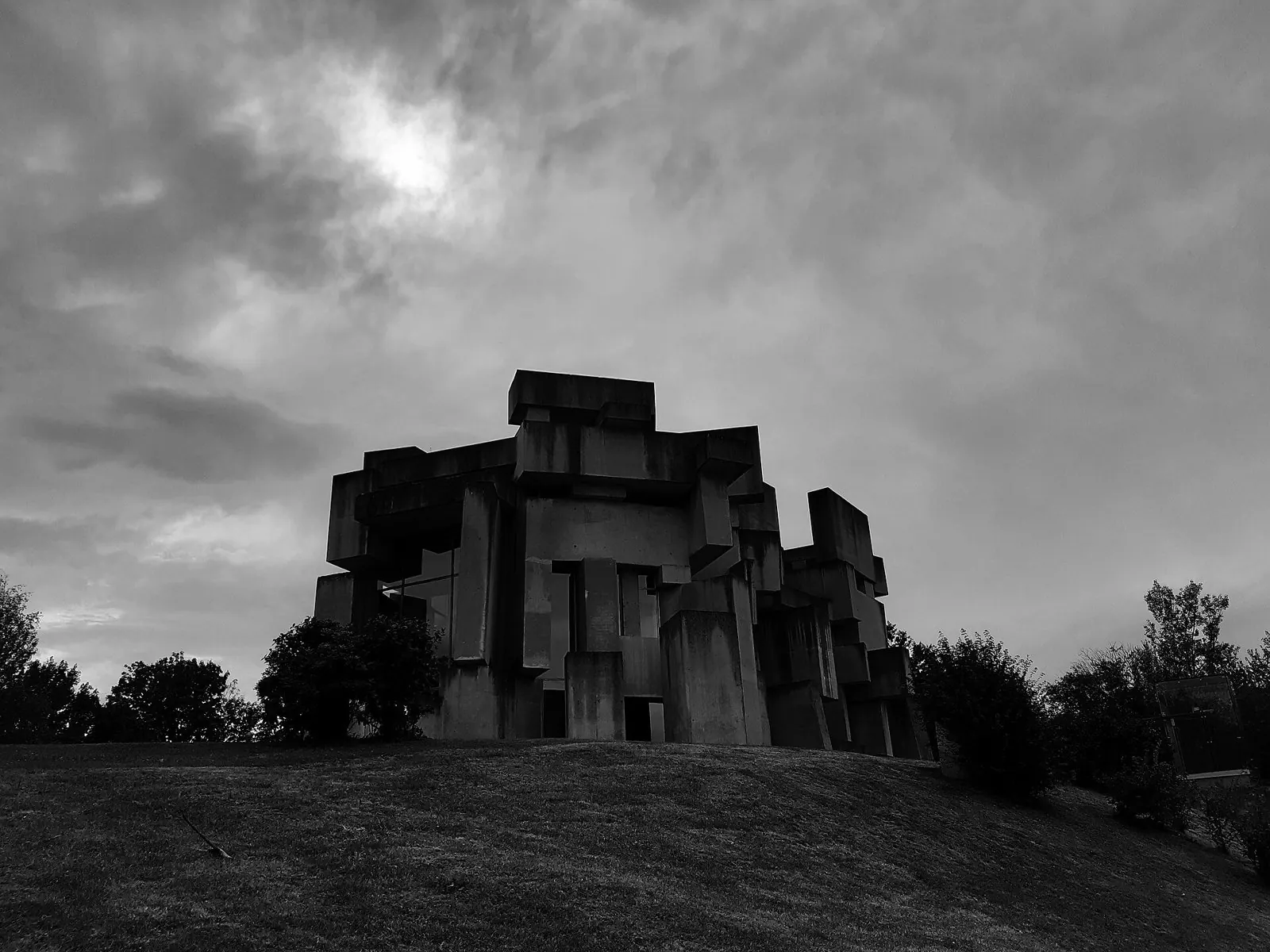
Wotruba Church, Vienna · CC BY-SA 4.0
Church · Mauer, 23rd district
Wotruba Church
The sculptor Fritz Wotruba's church of 1976 is a pile of 152 concrete blocks, apparently stacked at random, with light coming in through the gaps.
Go inside on a sunny afternoon.
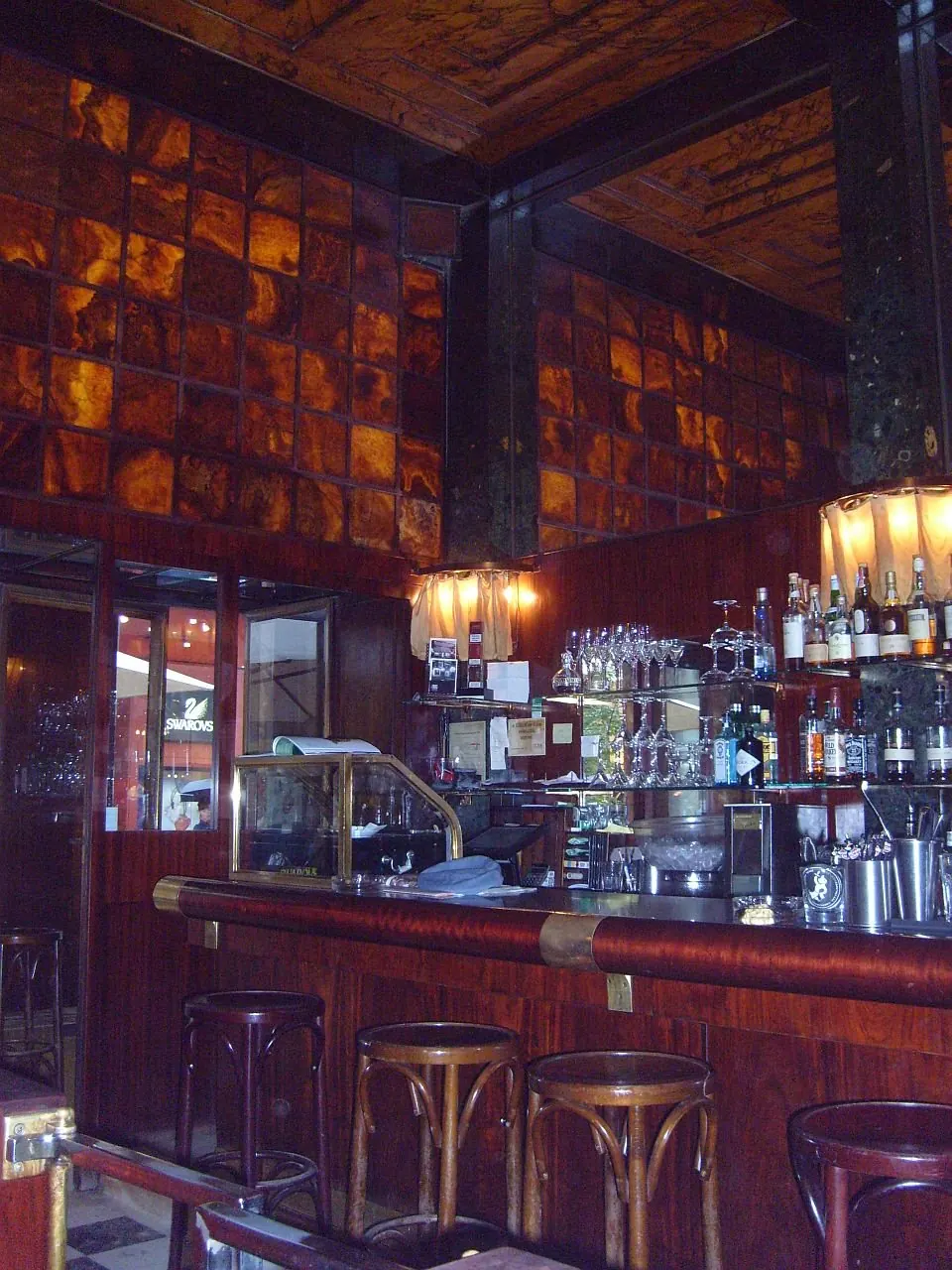
Loos American Bar, Vienna · Public domain
Interior · Kärntner Durchgang
Loos American Bar
Adolf Loos's tiny bar of 1908, about 27 square metres, with mirrors that make it look like a grand hall.
Order something and count the reflections.
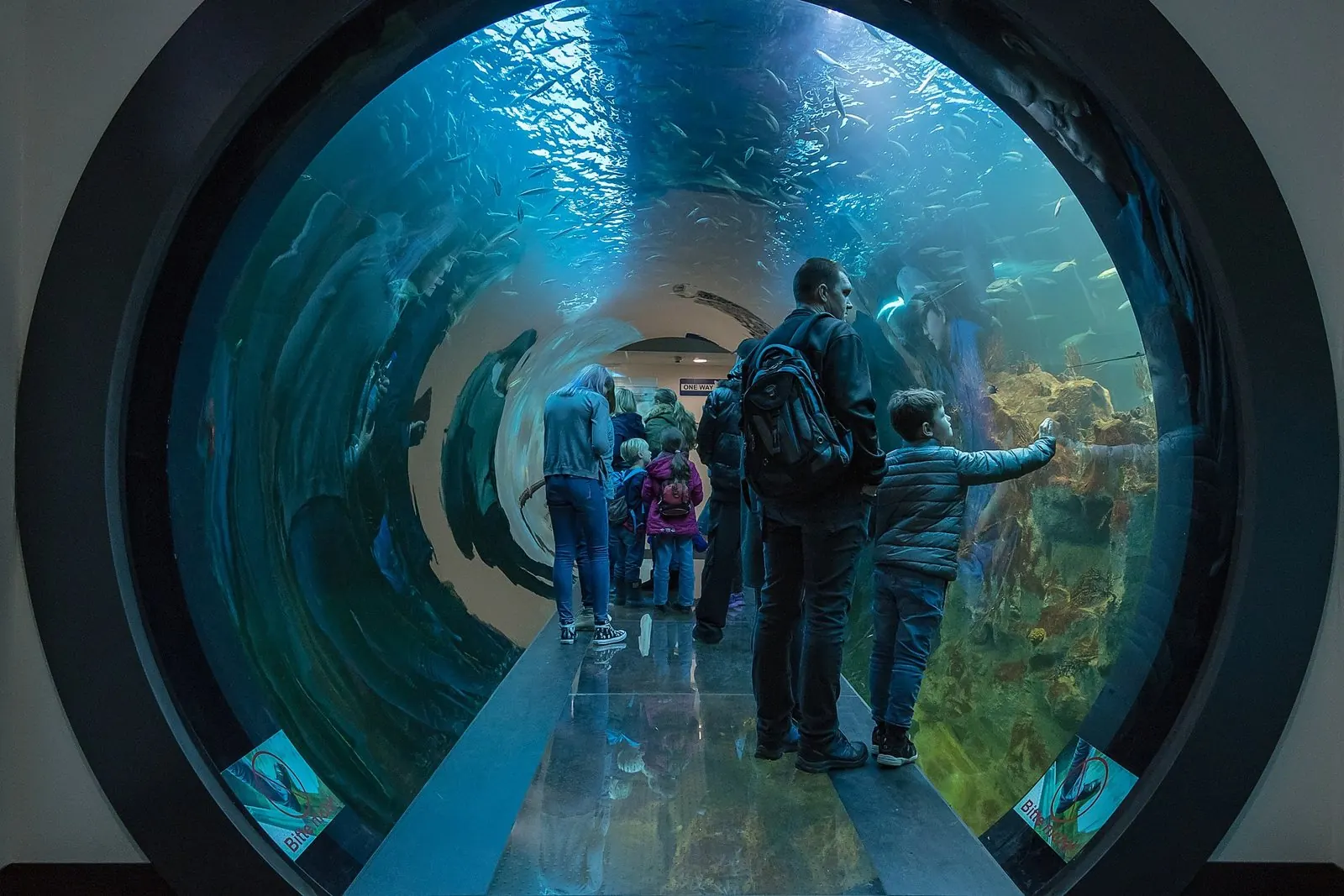
Haus des Meeres, Vienna · CC BY-SA 4.0
Architecture · Mariahilf
Haus des Meeres
One of Vienna's six Second World War flak towers, built so thick it could not be demolished. It now holds an aquarium, with a climbing wall on the outside.
The rooftop café.
Nearby
Klosterneuburg
The abbey and its 12th-century Verdun Altar, 20 minutes away.
If you have one day
Kunsthistorisches Museum at opening → lunch in the museum café under the dome → the Secession → walk to the Belvedere for the end of the afternoon.