Twenty-eight centuries layered on top of each other, and Caravaggios still hanging in the chapels he painted them for, free, for the price of a coin in the light box.
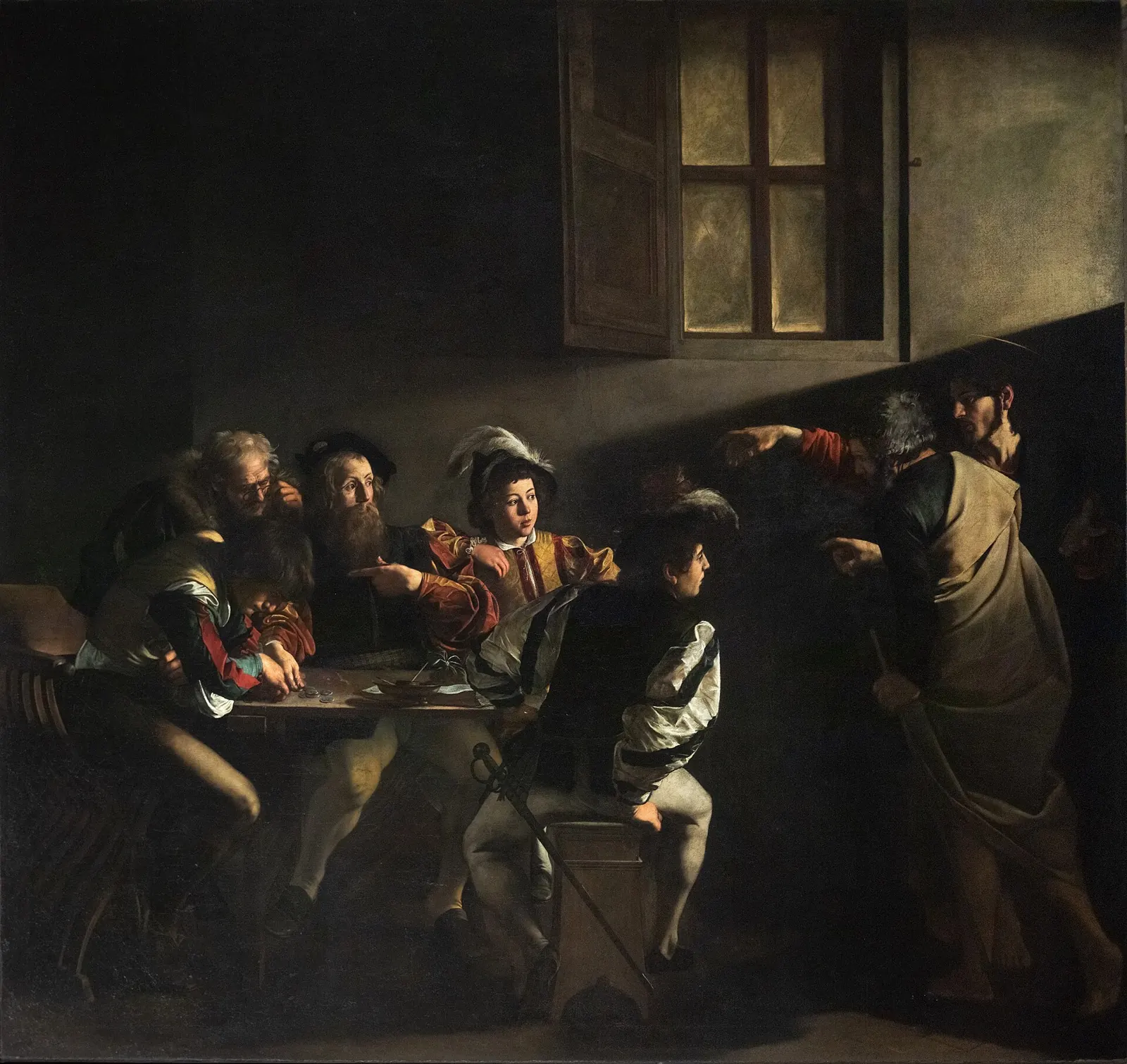
Caravaggio, The Calling of Saint Matthew, 1599–1600. San Luigi dei Francesi, Rome · CC0
Best monthsOctober–November and March–April
Art calendarQuadriennale di Roma · Rome Art Week (October) · Notte dei Musei (May)
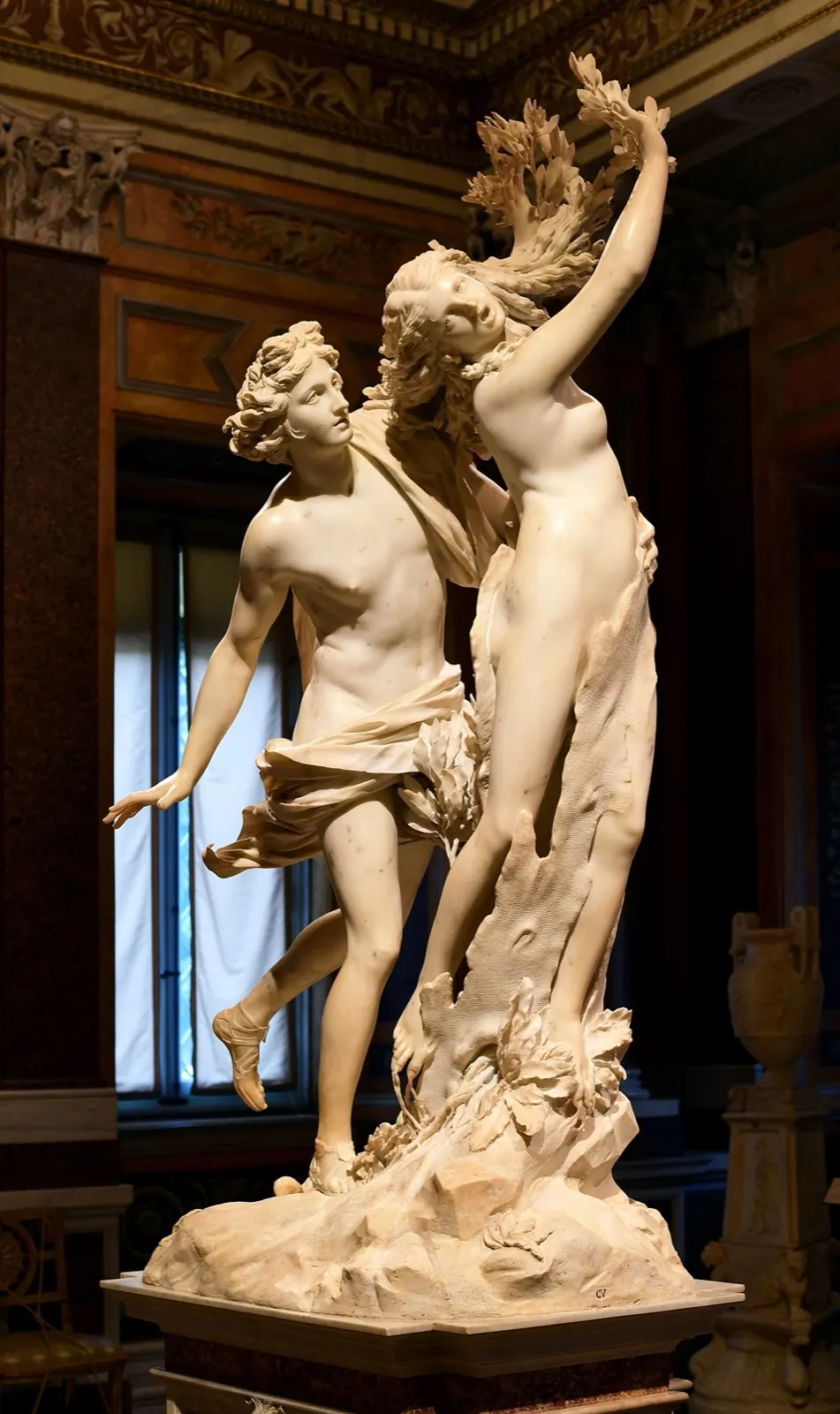
Gian Lorenzo Bernini, Apollo and Daphne, 1622–25. Galleria Borghese, Rome · CC BY-SA 4.0
Museum · Villa Borghese
Galleria Borghese
Cardinal Scipione Borghese's villa, built for his collection: Bernini's marbles, six Caravaggios, Titian's Sacred and Profane Love.
Look for: Daphne's fingers turning into laurel leaves.
Timed tickets only, book weeks ahead · closed Mondays
Caravaggio, The Calling of Saint Matthew, 1599–1600. San Luigi dei Francesi, Rome · CC0
Church · Near the Pantheon
San Luigi dei Francesi
The French church, with Caravaggio's three paintings of Saint Matthew in the Contarelli Chapel (1599–1602), his first public commission.
Look for: The light in The Calling of Saint Matthew, following Christ's hand.
Free
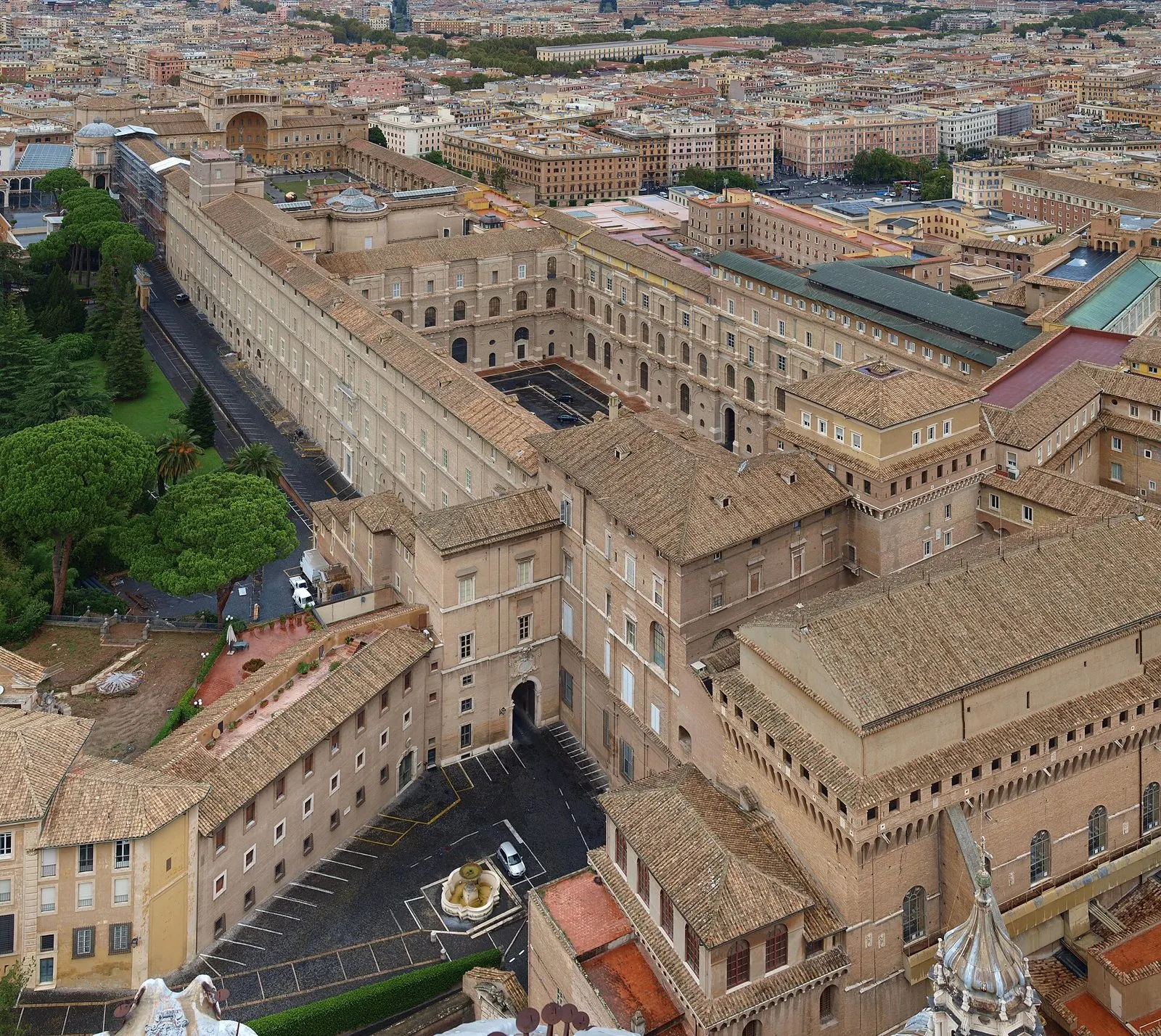
Vatican Museums and the Sistine Chapel, Rome · CC BY-SA 3.0
Museum · Vatican City
Vatican Museums and the Sistine Chapel
Seven kilometres of galleries ending at Michelangelo's ceiling. The Raphael Rooms are on the way and deserve more time than people give them.
Look for: The School of Athens, and Raphael's self-portrait at its right edge.
Book the first slot · closed Sundays except the last of the month
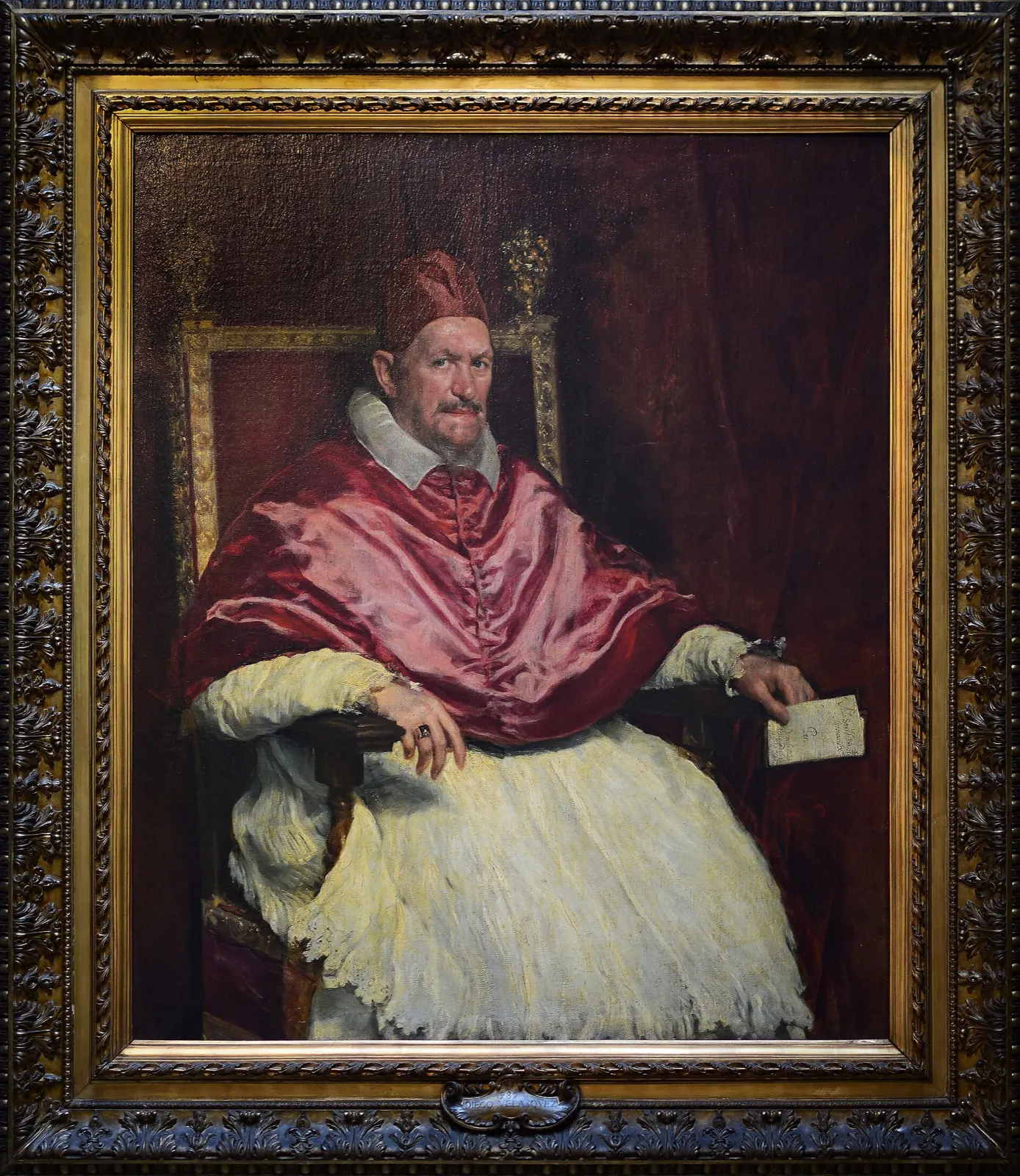
Diego Velázquez, Portrait of Innocent X, 1650. Galleria Doria Pamphilj, Rome · Public domain
Collection · Via del Corso
Galleria Doria Pamphilj
A princely family still lives in this palazzo. Its picture gallery is hung frame to frame, as in the 18th century.
Look for: Velázquez's Innocent X, in its own cabinet.
Audio guide narrated by a family member
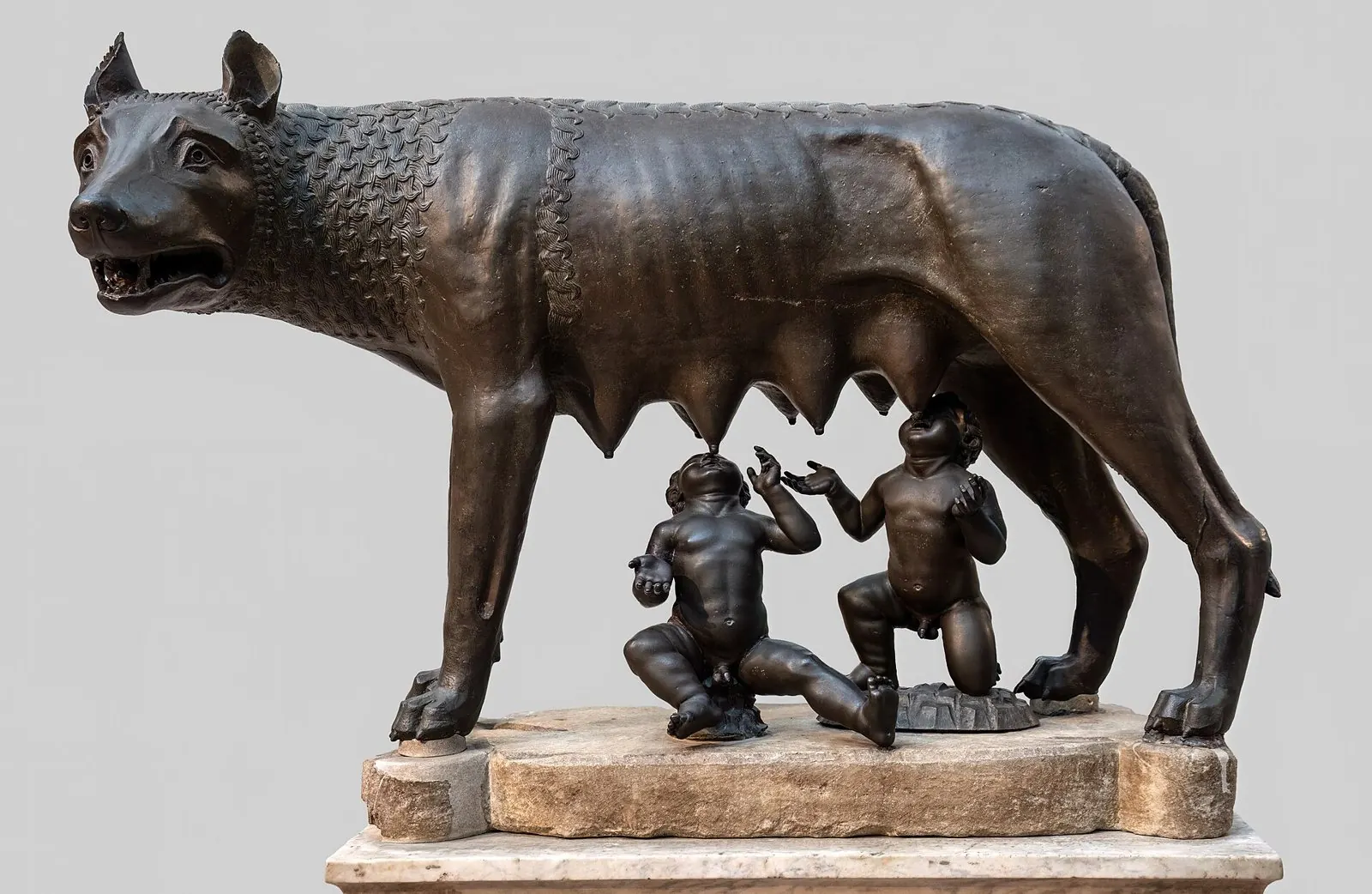
The Capitoline Wolf. Capitoline Museums, Rome · CC0
Museum · Capitoline Hill
Capitoline Museums
The world's oldest public museum (1471), on Michelangelo's piazza: the bronze she-wolf, the Marcus Aurelius and fragments of a colossal Constantine.
Look for: Constantine's giant hand and foot in the courtyard.
Daily
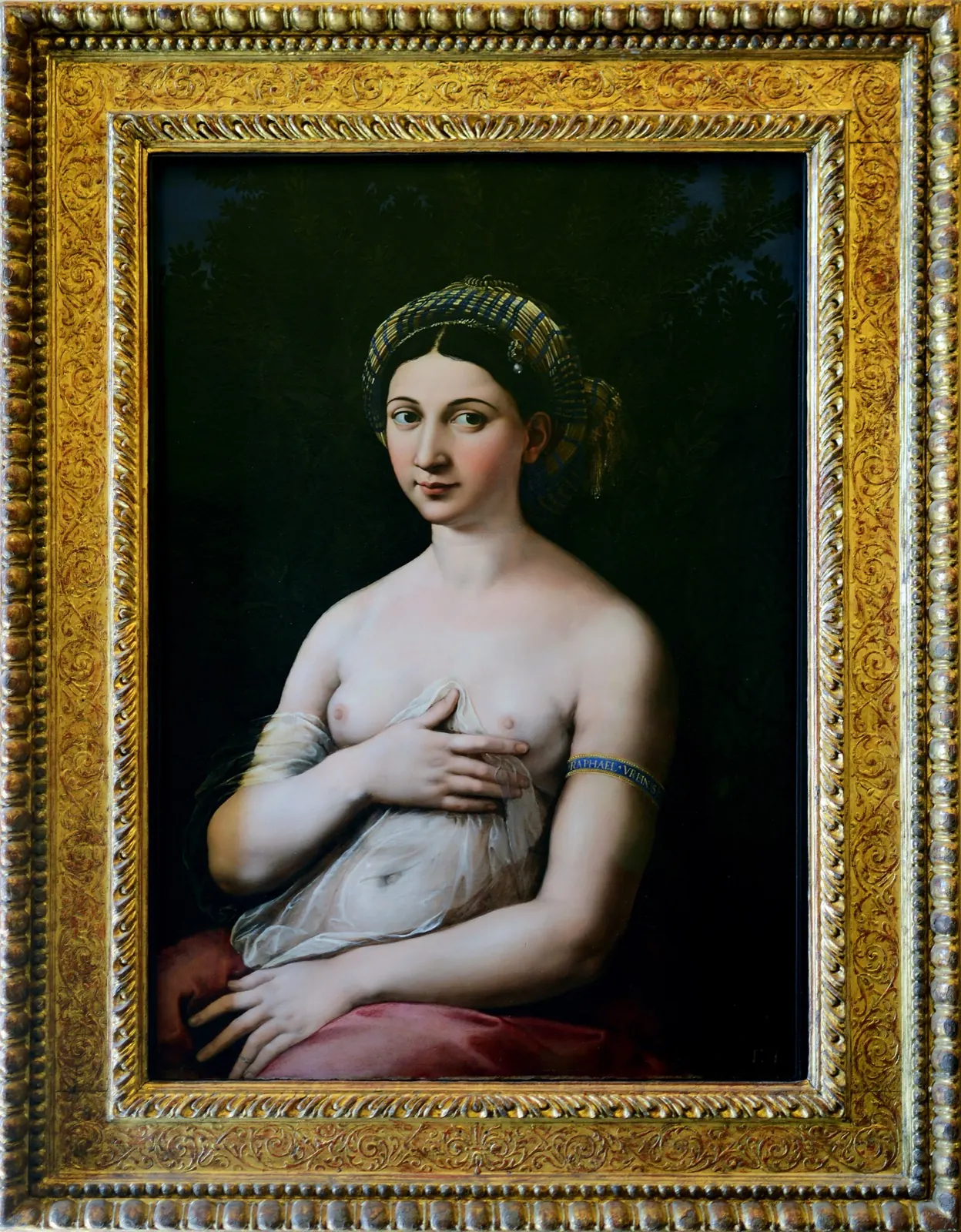
Raphael, La Fornarina, 1518–20. Palazzo Barberini, Rome · Public domain
Museum · Quattro Fontane
Palazzo Barberini
The national gallery of ancient art in a Baroque palace by Bernini and Borromini, with Pietro da Cortona's ceiling and Raphael's La Fornarina.
Look for: Borromini's oval staircase.
Closed Mondays
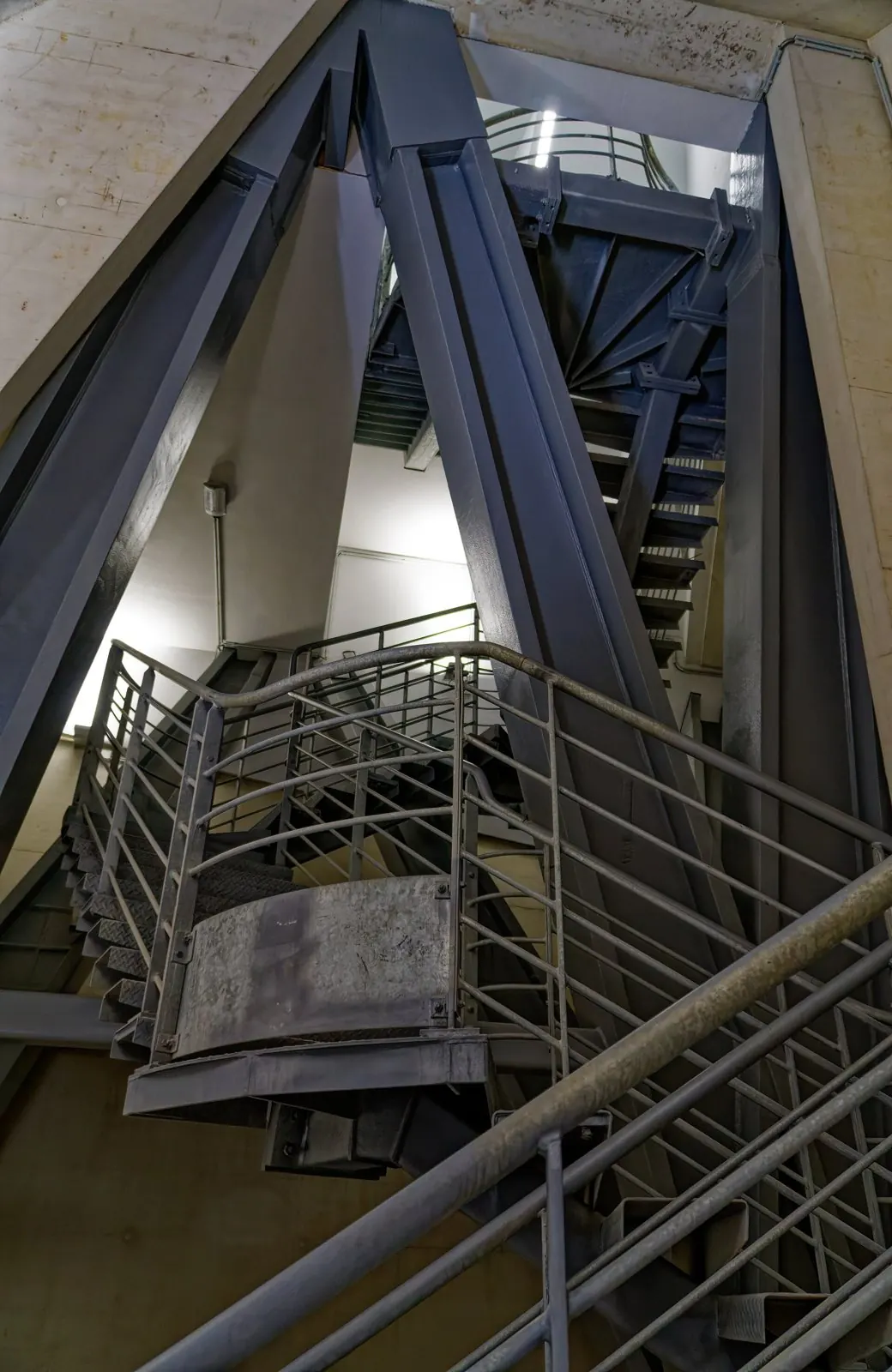
MAXXI, Rome · CC BY-SA 2.0
Museum · Flaminio
MAXXI
Zaha Hadid's national museum of 21st-century art and architecture: concrete ribbons and black staircases.
Look for: The staircases in the main hall.
Closed Mondays
Off the list
Off-Piste in Rome
Rooms, ruins and curiosities: the city's other museum.
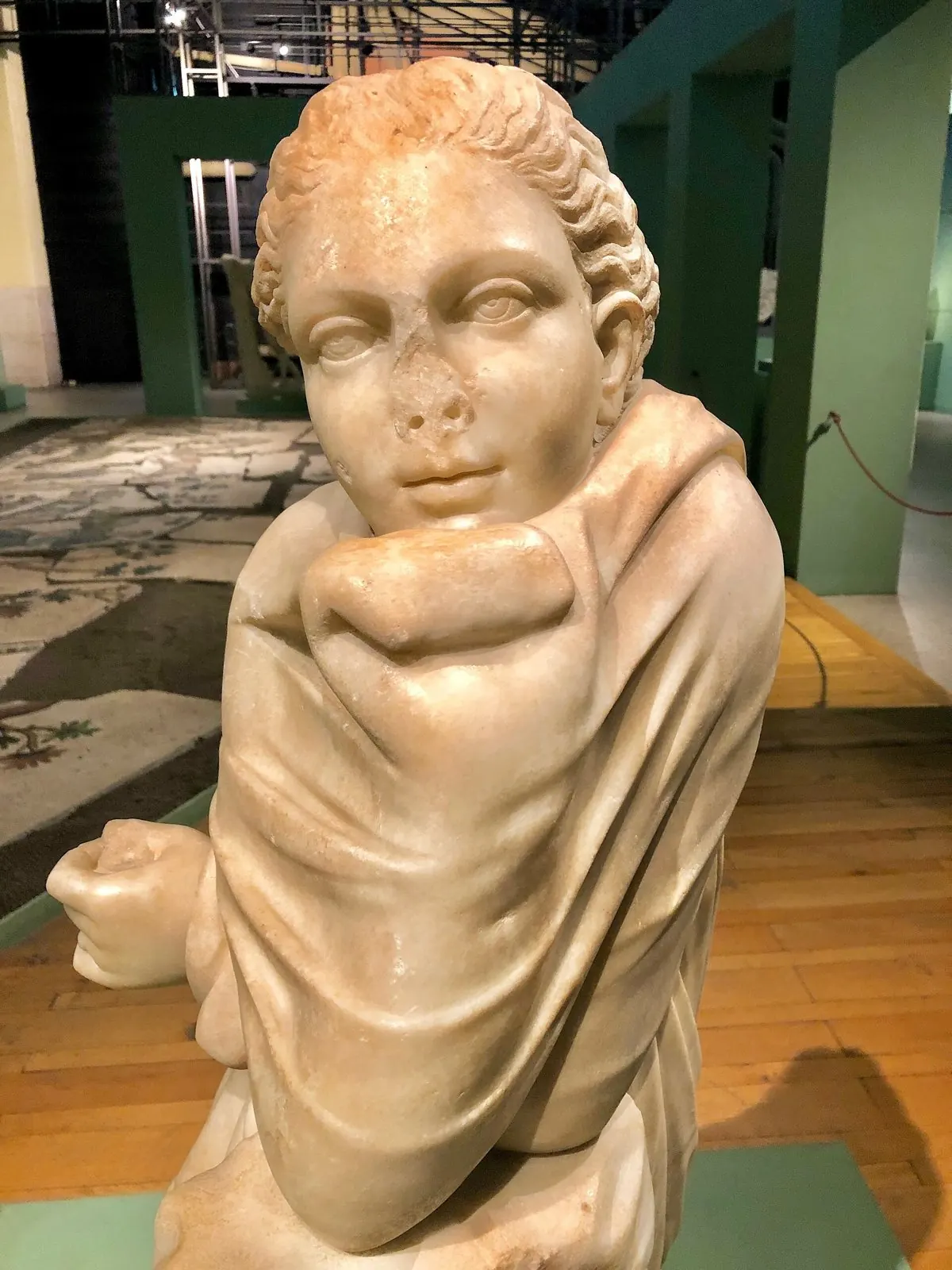
Roman statue of a muse. Centrale Montemartini, Rome · CC BY-SA 2.0
Unusual museum · Ostiense
Centrale Montemartini
Classical statues from the Capitoline collections, shown among the diesel engines and turbines of Rome's first power station.
The marble goddesses in front of the giant engines.
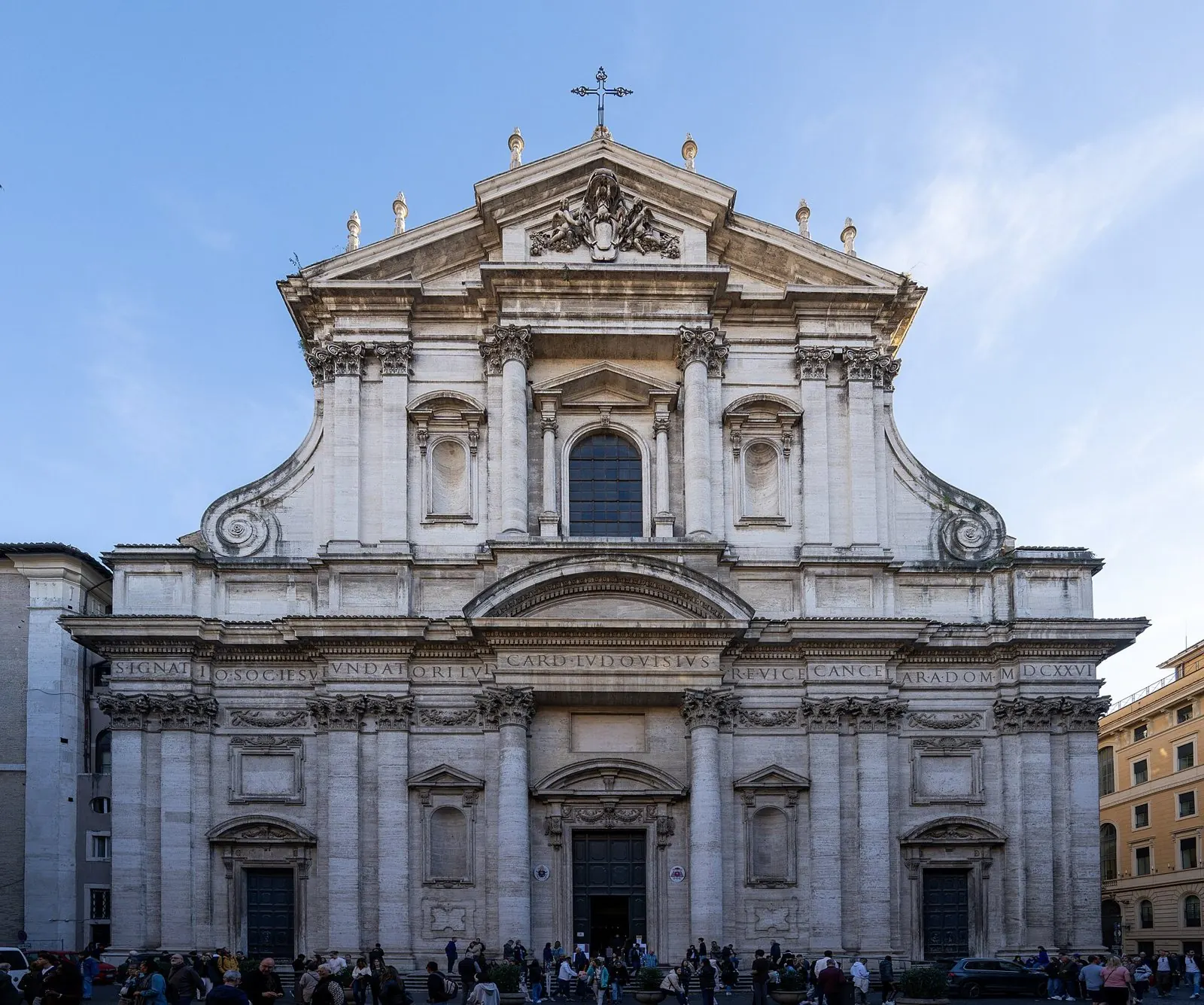
Sant'Ignazio, Rome · CC BY 4.0
Ceiling · Centro storico
Sant'Ignazio
Andrea Pozzo's ceiling and his fake dome, painted on a flat canvas when the money for a real one ran out.
Stand on the marble disc in the nave, then walk away from it.
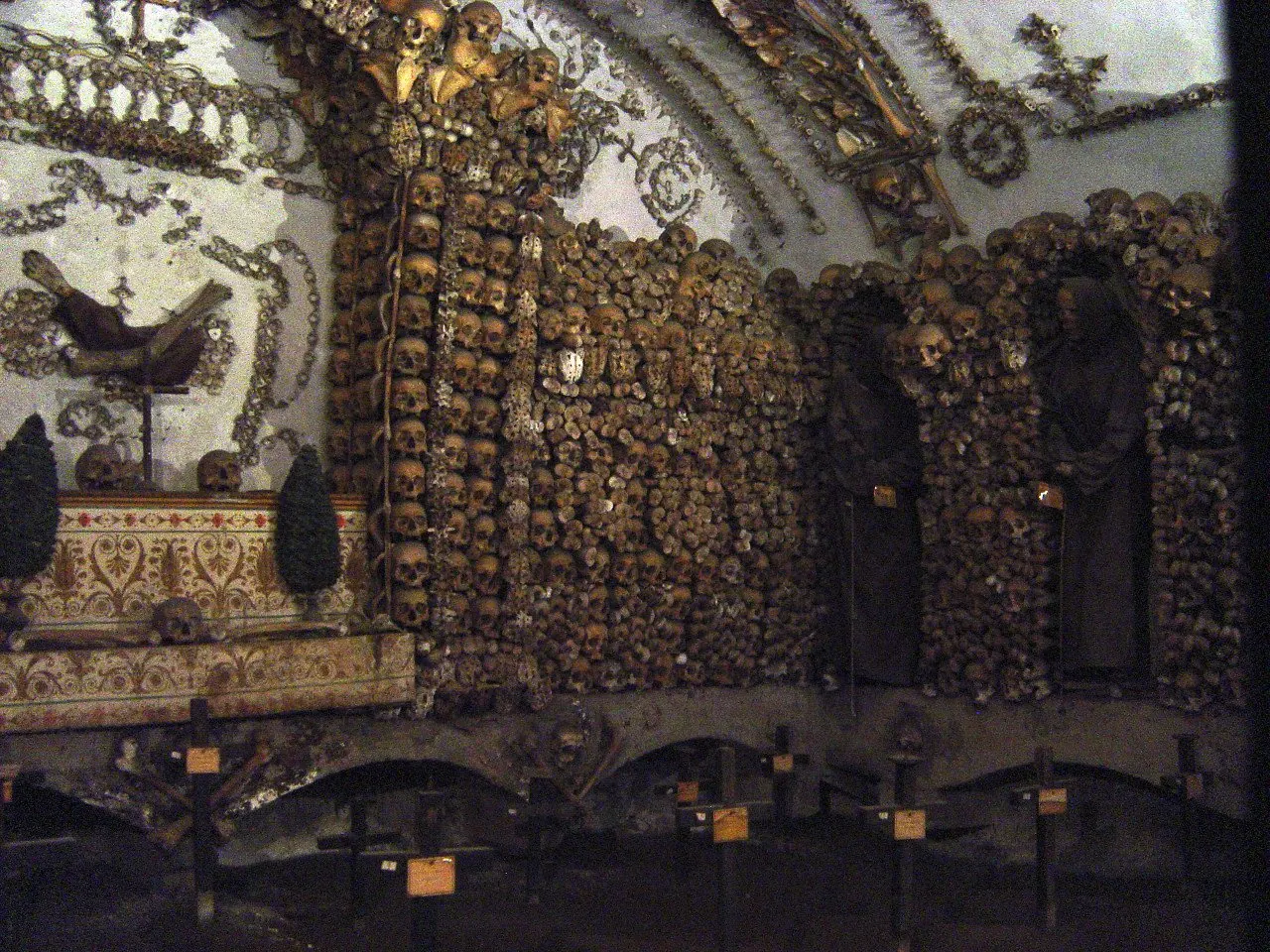
Capuchin Crypt, Rome · CC BY-SA 2.5
Unusual museum · Via Veneto
Capuchin Crypt
Six small chapels decorated with the bones of about 3,700 friars, arranged in rosettes and chandeliers.
The sign: 'What you are now, we once were.'
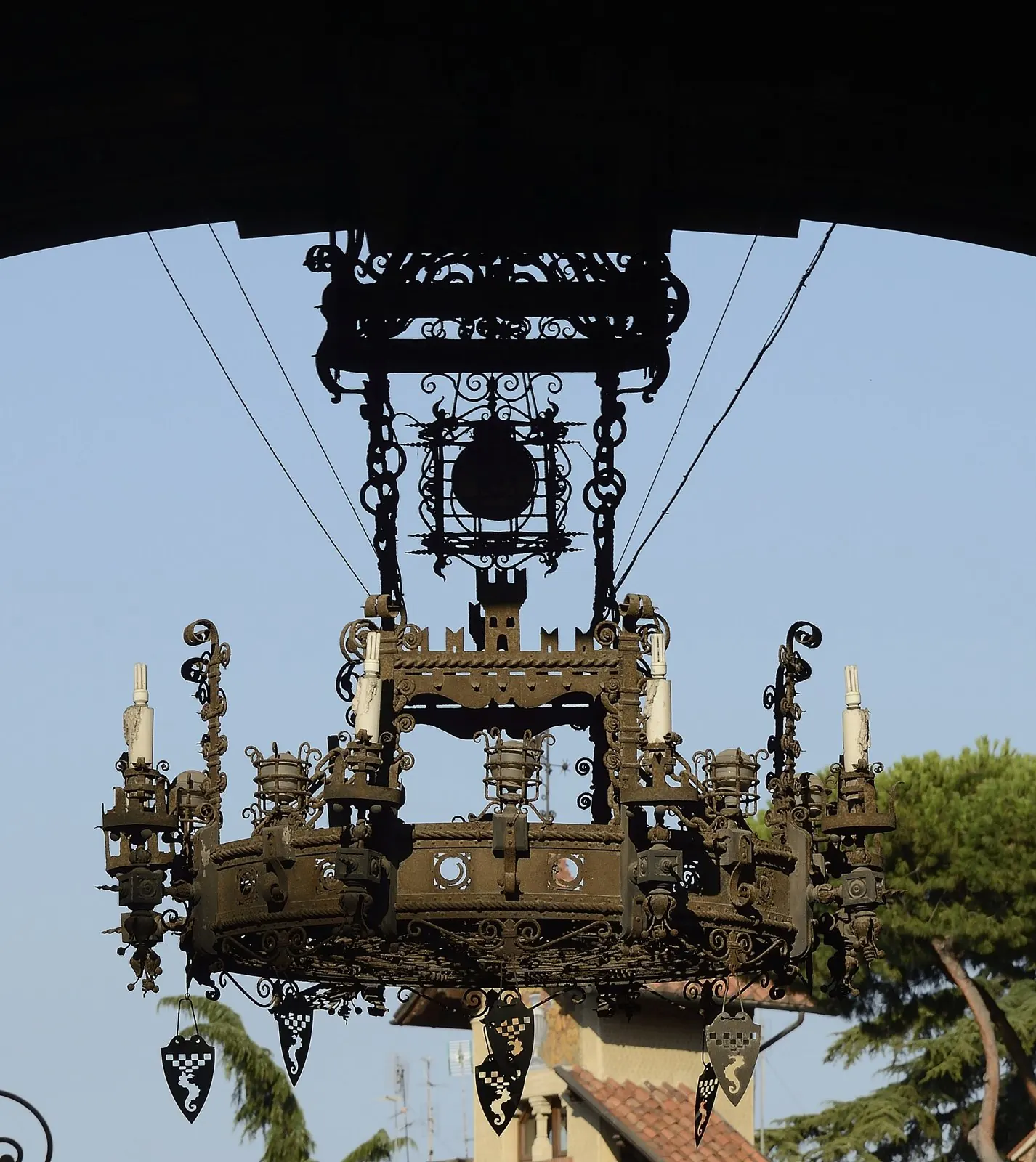
Quartiere Coppedè, Rome · CC BY-SA 4.0
Architecture · Trieste
Quartiere Coppedè
A few streets of fantasy buildings by Gino Coppedè (1913–27): Liberty, Gothic, Assyrian and Florentine all at once, around a frog fountain.
The chandelier hanging under the entrance arch.
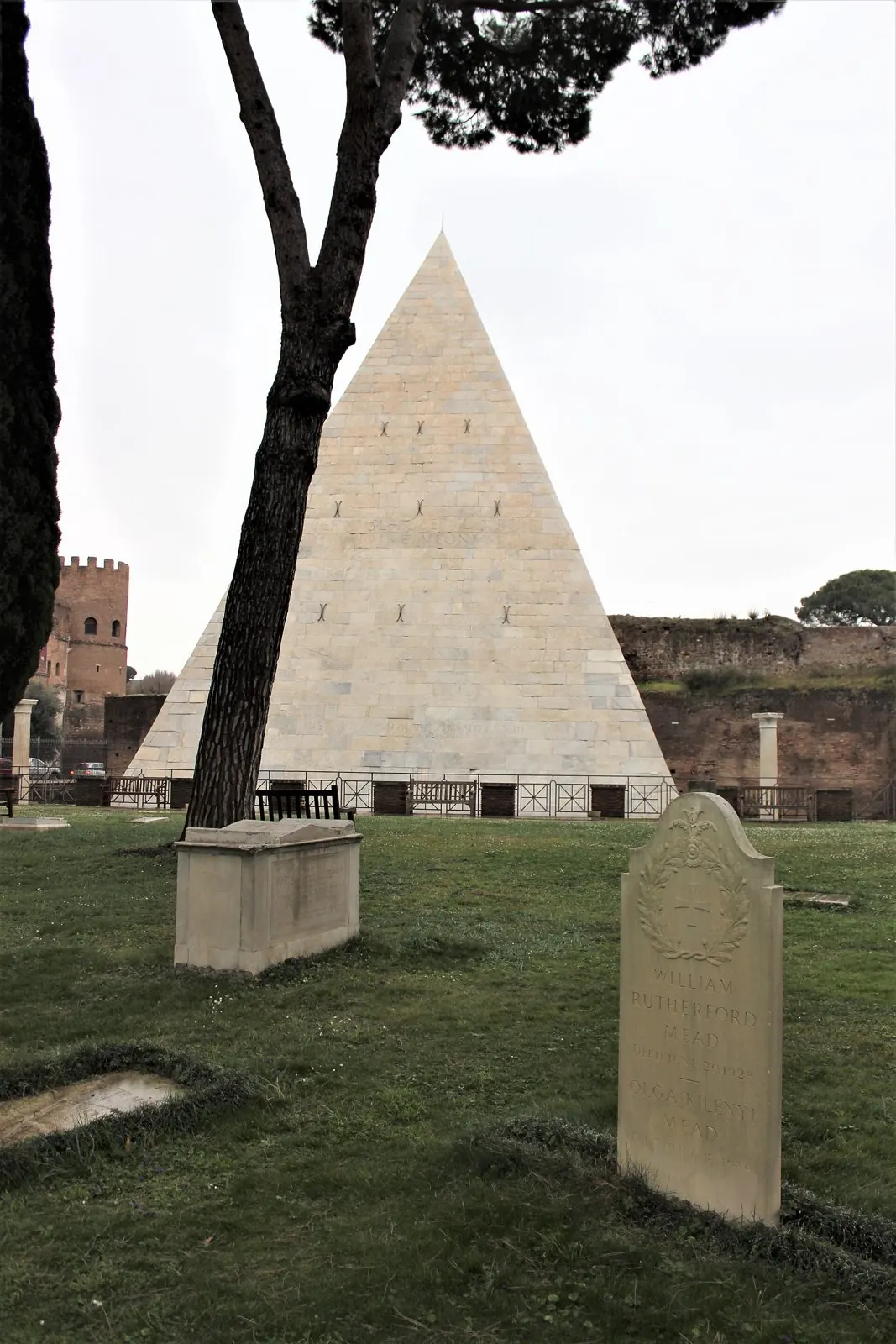
Non-Catholic Cemetery, Rome · CC BY-SA 4.0
Cemetery · Testaccio
Non-Catholic Cemetery
Keats, Shelley and Gramsci beside the Pyramid of Cestius, with W.W. Story's Angel of Grief, and cats.
Keats's stone, which doesn't give his name.
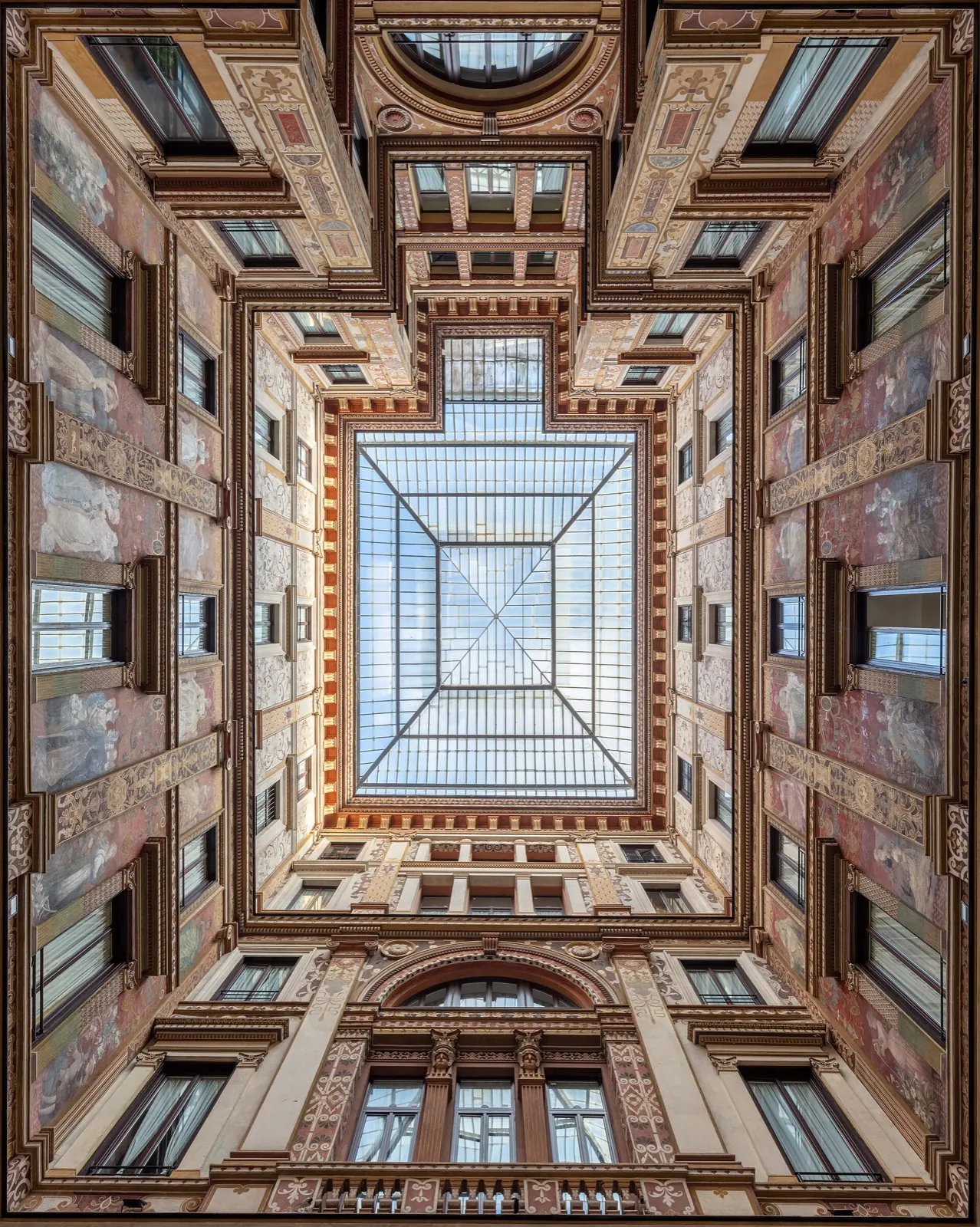
Galleria Sciarra, Rome, 1880s · CC BY-SA 4.0
Courtyard · Near the Trevi Fountain
Galleria Sciarra
A covered courtyard of the 1880s whose walls are painted from top to bottom with Art Nouveau women personifying the virtues of the ideal wife. It is the entrance to an office building, open to anyone who walks in.
Weekdays, when the gates are open.
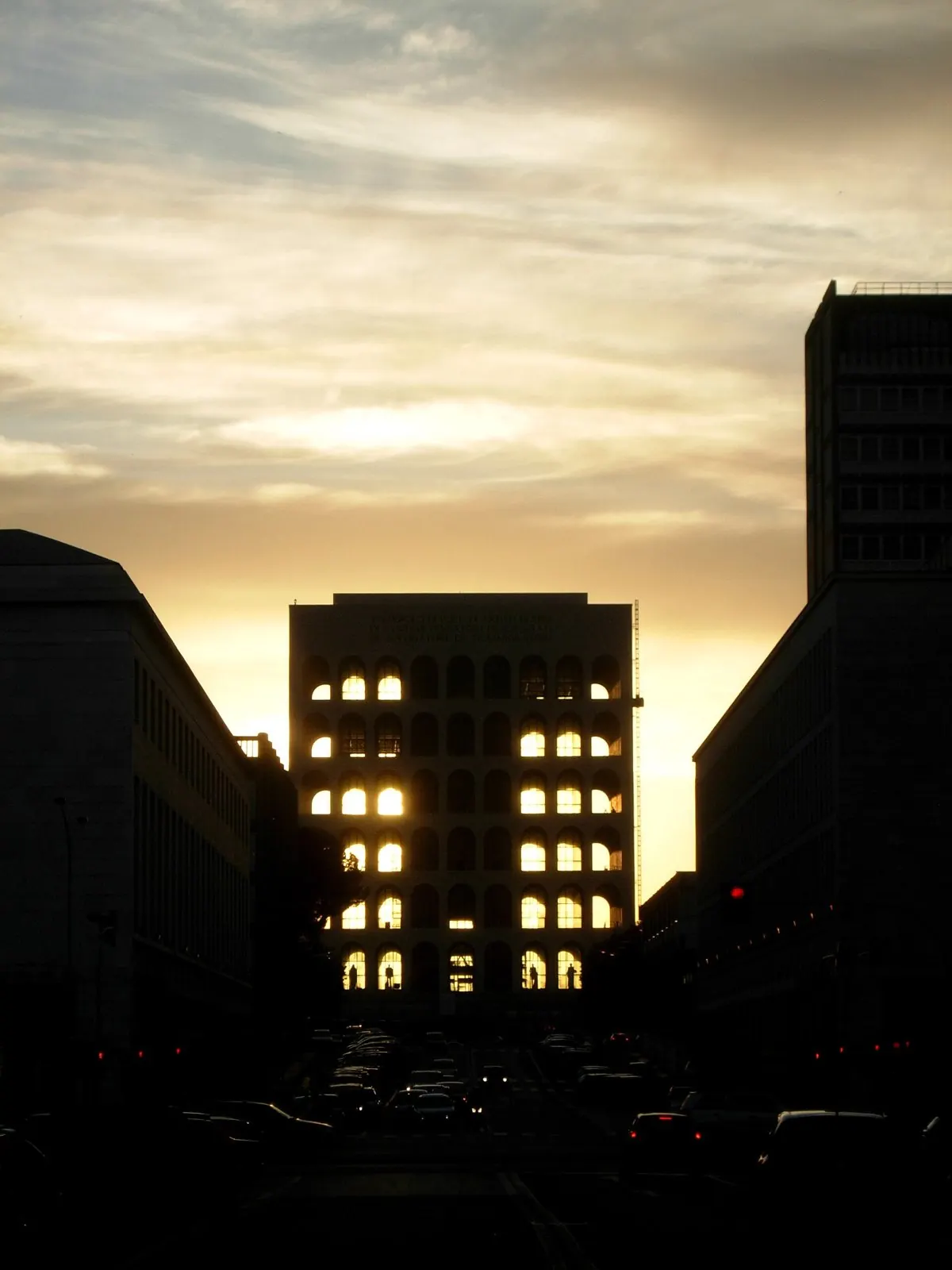
Palazzo della Civiltà Italiana, Rome · CC BY 4.0
Architecture · EUR
Palazzo della Civiltà Italiana
The 'Square Colosseum': a 1930s white cube of 216 arches built for Mussolini's cancelled 1942 World's Fair. Fendi has its headquarters there now, with exhibitions on the ground floor.
Go at dusk, when it looks like a de Chirico.
Architecture · Southwest Rome
Corviale
A single concrete housing block almost a kilometre long (1972–82), designed as a whole town. Its abandoned fourth floor has slowly been rebuilt as homes.
Look from the hills along Via di Poggio Verde.
Nearby
Bomarzo
The Sacro Bosco, a 16th-century garden of monsters carved from the rock, about 90 minutes north.
Tivoli
Villa d'Este's fountains and Hadrian's Villa, under an hour away.
Galleria Borghese at the first slot → walk down to Palazzo Barberini → lunch near the Pantheon → San Luigi dei Francesi → Sant'Ignazio → Galleria Doria Pamphilj → sunset on the Capitoline.