The museum of the civilisations of Europe and the Mediterranean, in Rudy Ricciotti's concrete-lace cube, connected by a footbridge to Fort Saint-Jean.
Look for: The rooftop terrace, and the walk across the footbridge to the fort.
Closed Tuesdays
Architecture · Boulevard Michelet
Cité radieuse
Le Corbusier's 1952 unité d'habitation, a vertical village with a shopping street on the third floor and an art centre (MaMo) on the roof.
Look for: The roof terrace and its concrete funnels.
Roof open in summer · guided tours via the tourist office
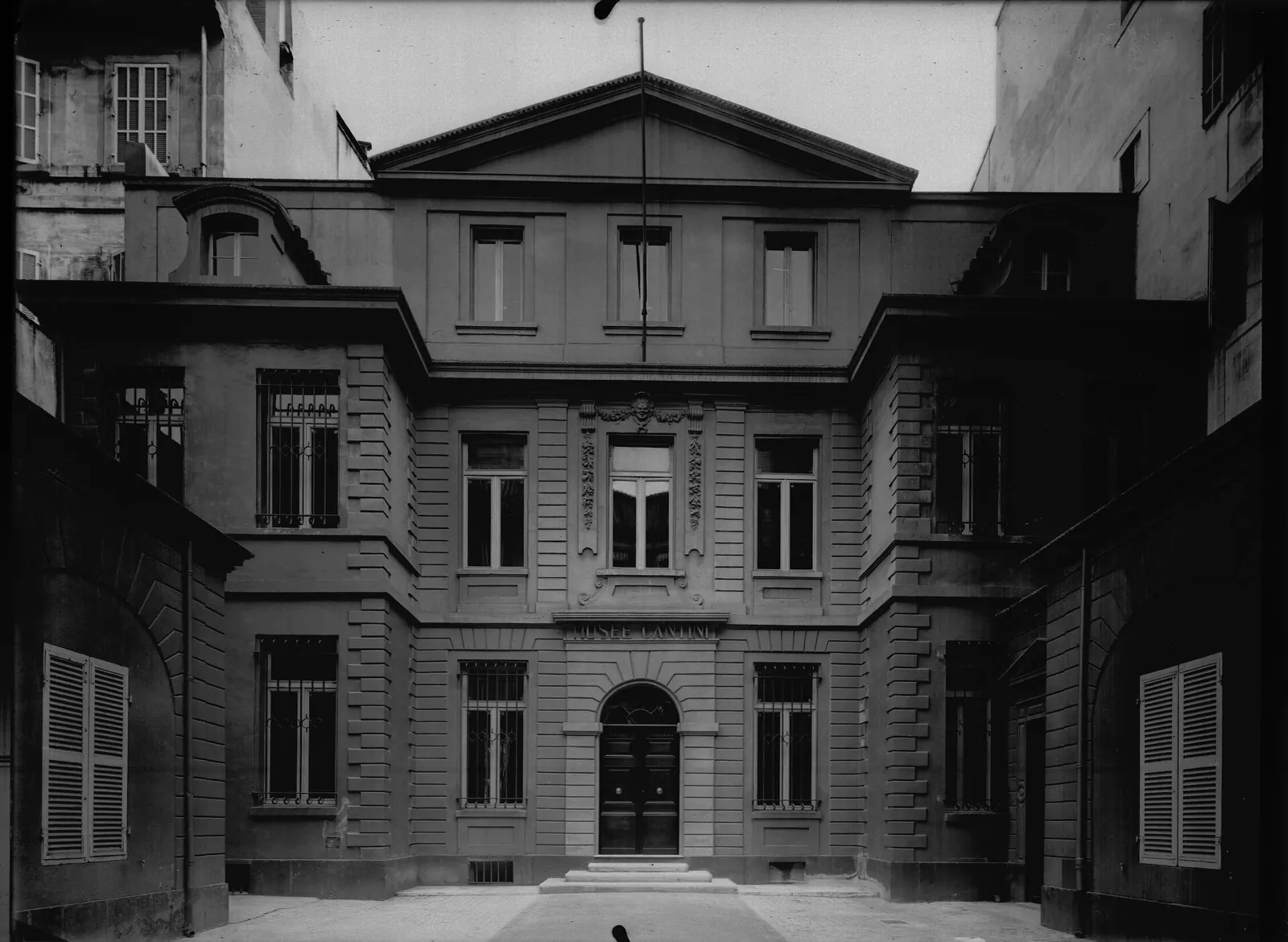
The Musée Cantini, rue Grignan, Marseille · Licence Ouverte
Museum · Préfecture
Musée Cantini
Modern art in a 17th-century mansion: Surrealism, Fauvism and the painters who came through Marseille.
Look for: The Surrealist works connected to the city's wartime exile.
Closed Mondays
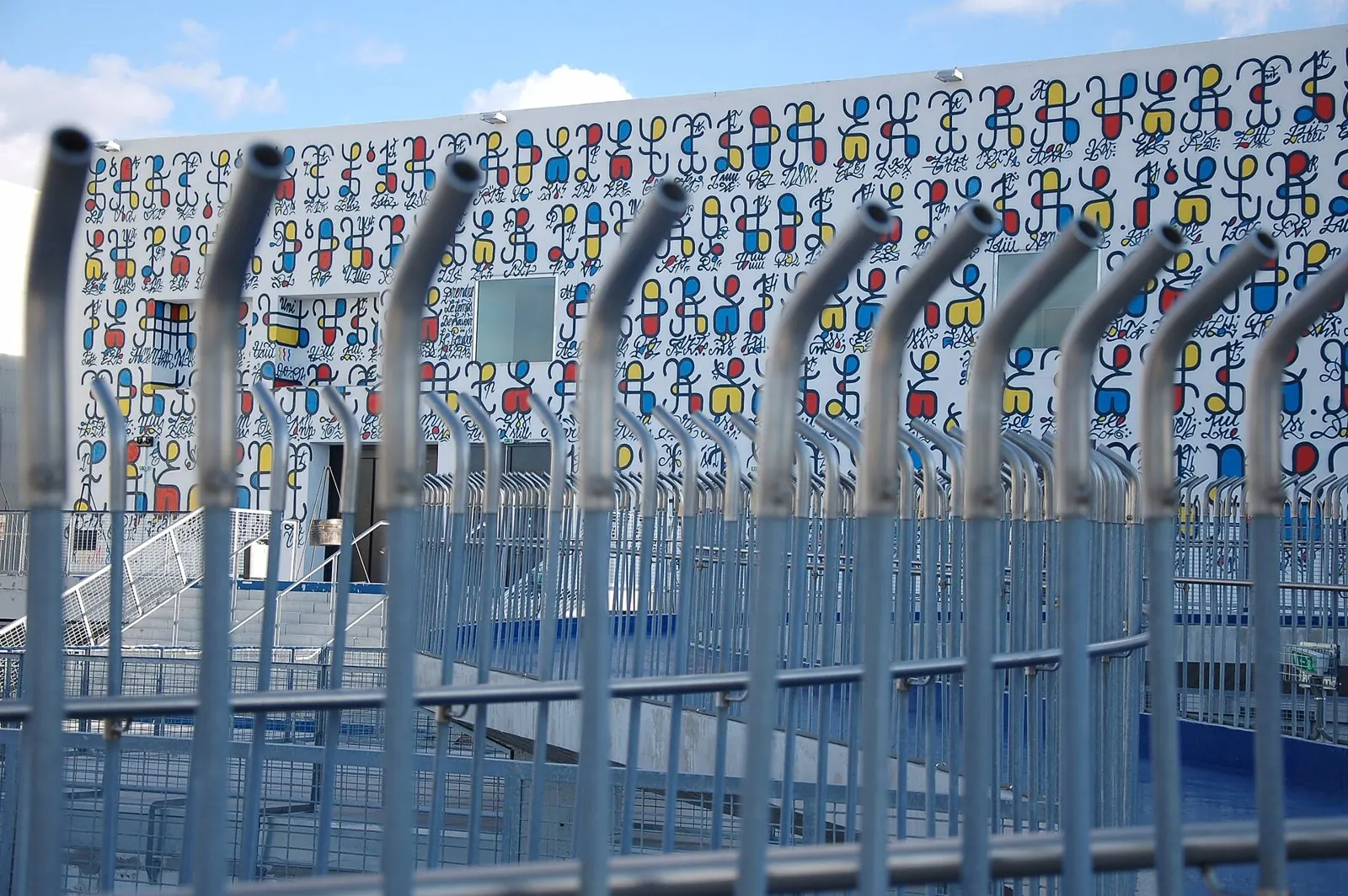
Friche la Belle de Mai, Marseille · CC BY-SA 4.0
Art centre · Belle de Mai
Friche la Belle de Mai
A former tobacco factory turned into a cultural village of studios, exhibition halls, a theatre and a huge rooftop terrace.
Look for: The roof at sunset.
Free entry to the site
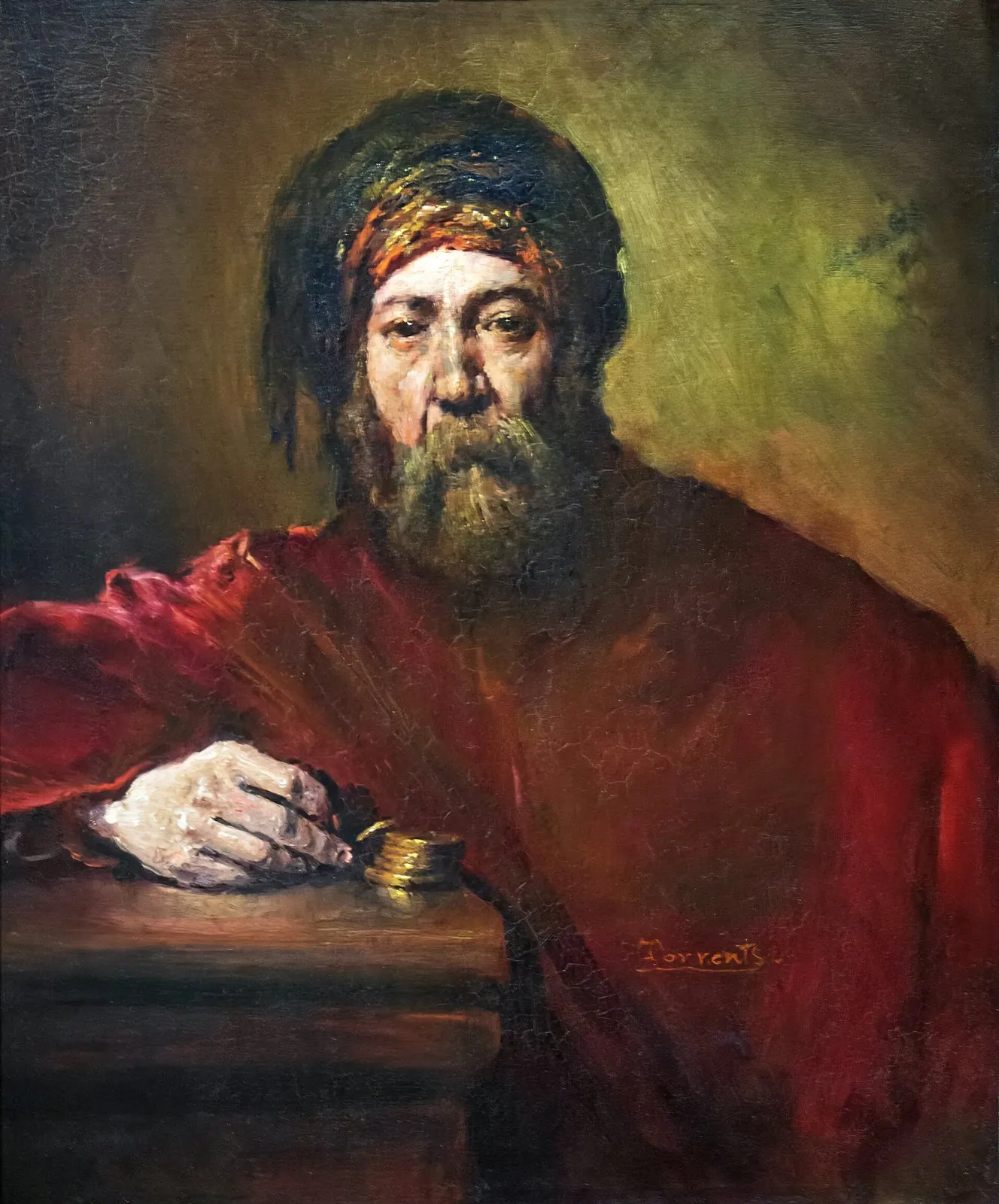
Stanislas Torrents, The Usurer. Musée des Beaux-Arts, Marseille · Public domain
Museum · Palais Longchamp
Musée des Beaux-Arts
Old-master painting inside the Palais Longchamp, a monumental 1869 water tower and fountain celebrating the canal that brought water to the city.
Look for: Pierre Puget's sculptures, and the fountain outside.
Closed Mondays
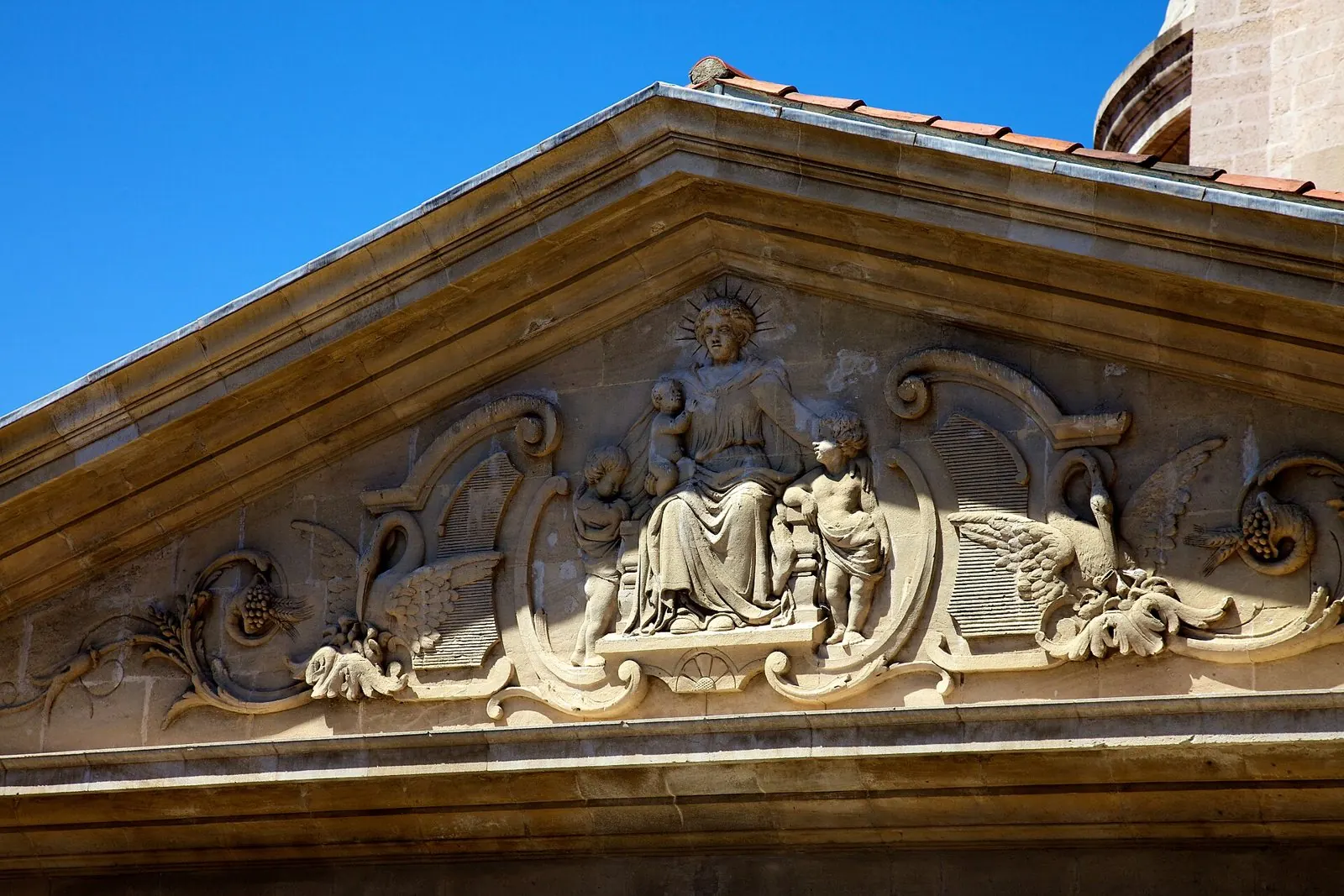
La Vieille Charité, Marseille · CC BY-SA 3.0
Museum · Le Panier
La Vieille Charité
A 17th-century almshouse by Pierre Puget around a chapel with an oval dome. Museums of Mediterranean archaeology and of African, Oceanic and Amerindian art.
Look for: The courtyard, from the third-floor arcade.
Closed Mondays
Off the list
Off-Piste in Marseille
Rooms, ruins and curiosities: the city's other museum.
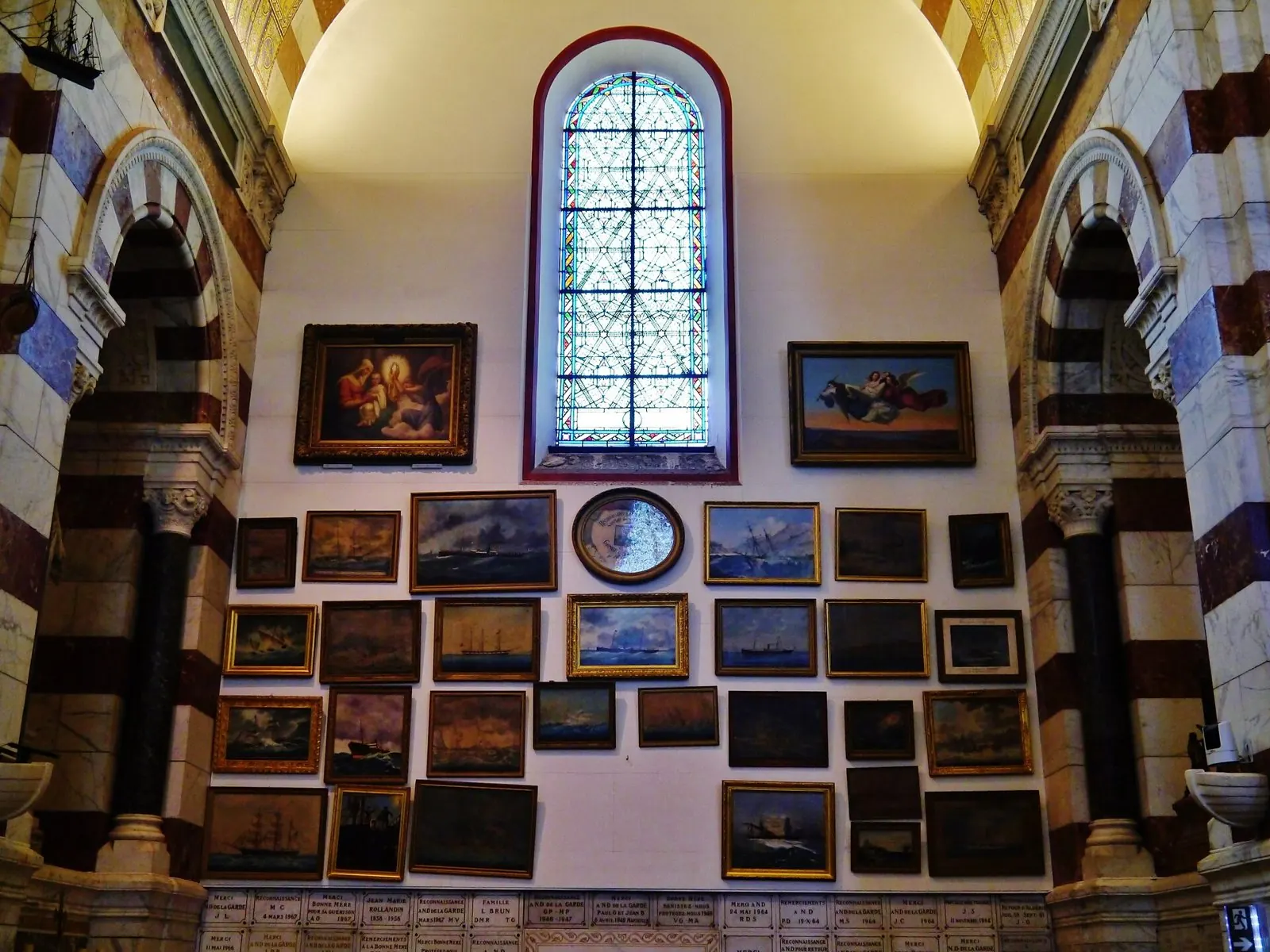
The ex-votos of Notre-Dame de la Garde, Marseille · CC BY-SA 4.0
Church · On the hill
The ex-votos of Notre-Dame de la Garde
Hundreds of small painted ex-votos hung in thanks for shipwrecks survived, fires escaped and illnesses cured: a folk-art museum of Marseille's fears.
The ship paintings in the nave.
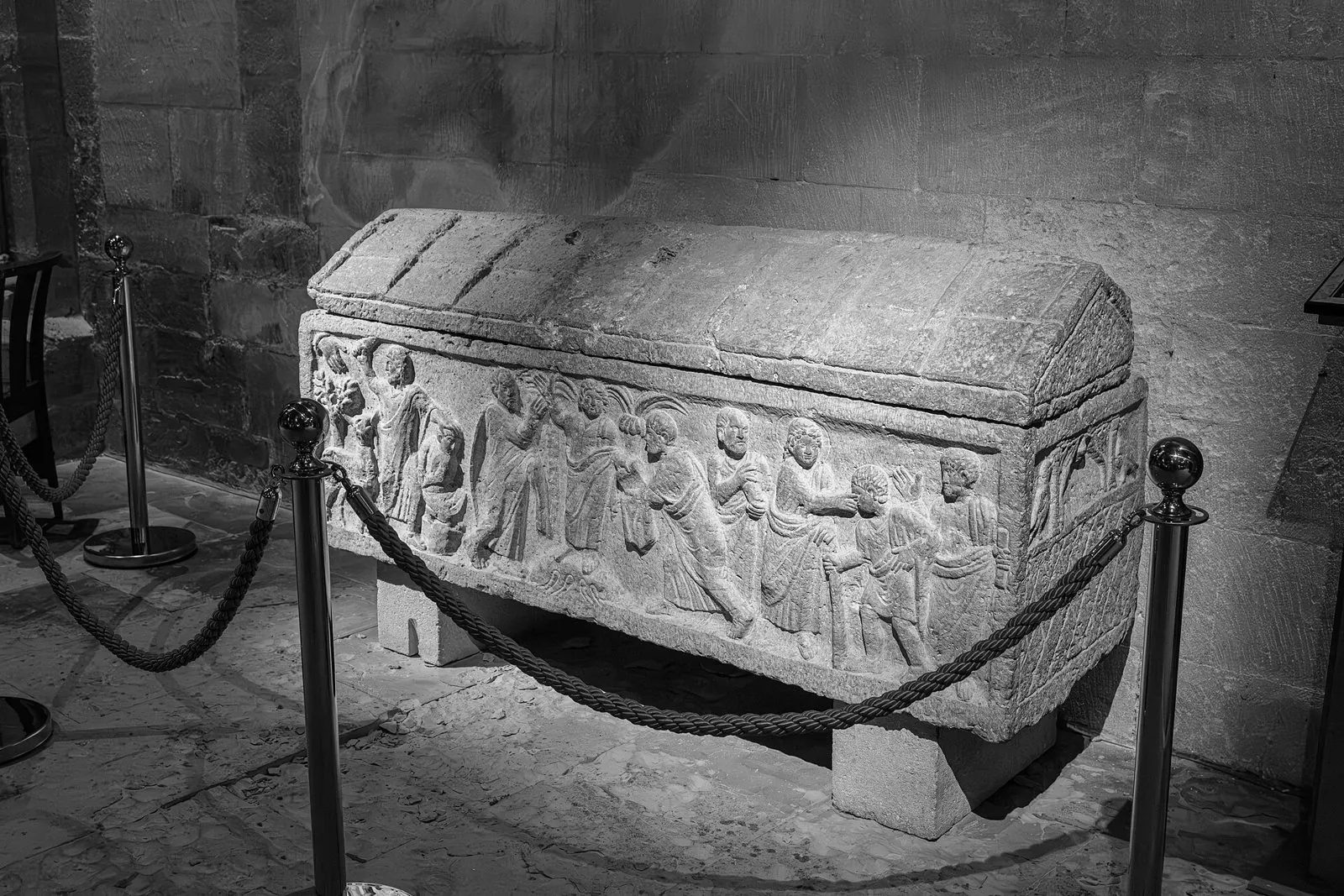
Crypt of the Abbaye Saint-Victor, Marseille · CC0
Church · Rive Neuve
Crypt of the Abbaye Saint-Victor
One of France's oldest Christian sites, with 4th-century sarcophagi in the crypts.
The candles of the Chandeleur in February.
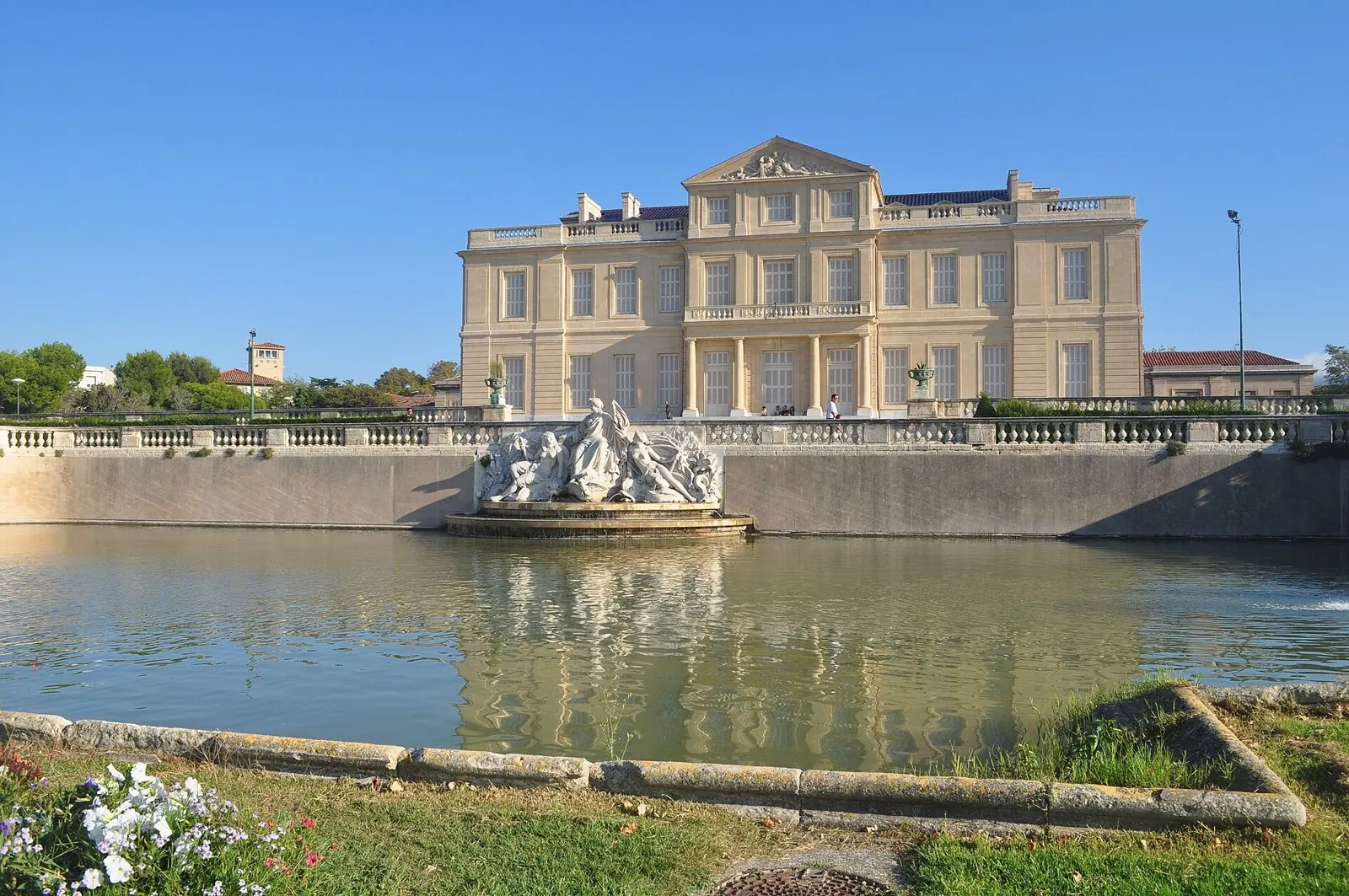
Château Borély, Marseille · CC BY-SA 3.0
Museum · Parc Borély
Château Borély
An 18th-century bastide by the sea, now a museum of decorative arts, fashion and ceramics, in a park running down to the beaches.
The painted salons.
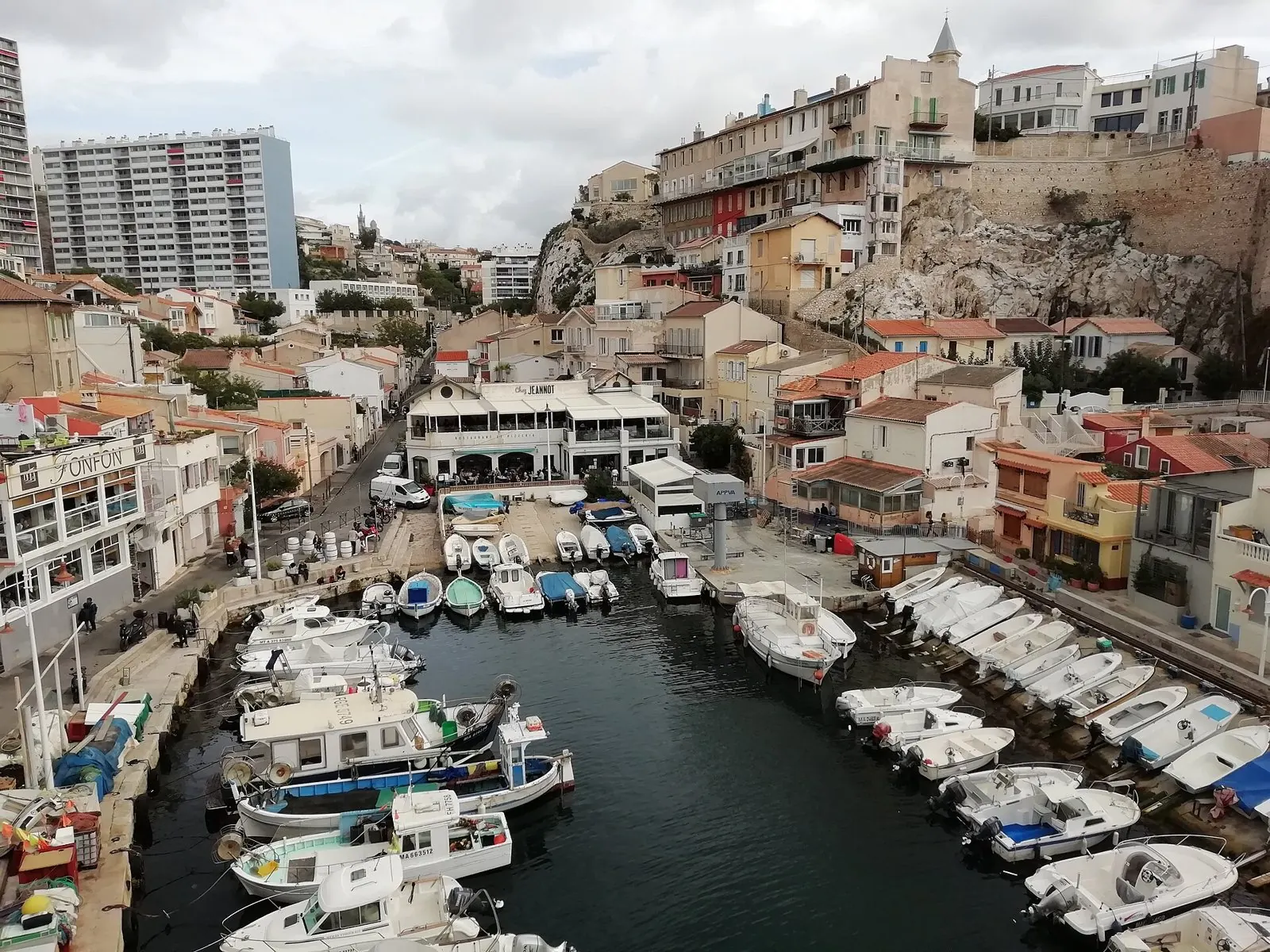
Vallon des Auffes, Marseille · CC BY-SA 4.0
Neighbourhood · Corniche
Vallon des Auffes
A fishing port tucked under the coastal road, with wooden pointus boats and two restaurants. It looks like a painting because people have painted it for 150 years.
Stand on the bridge of the Corniche looking down.
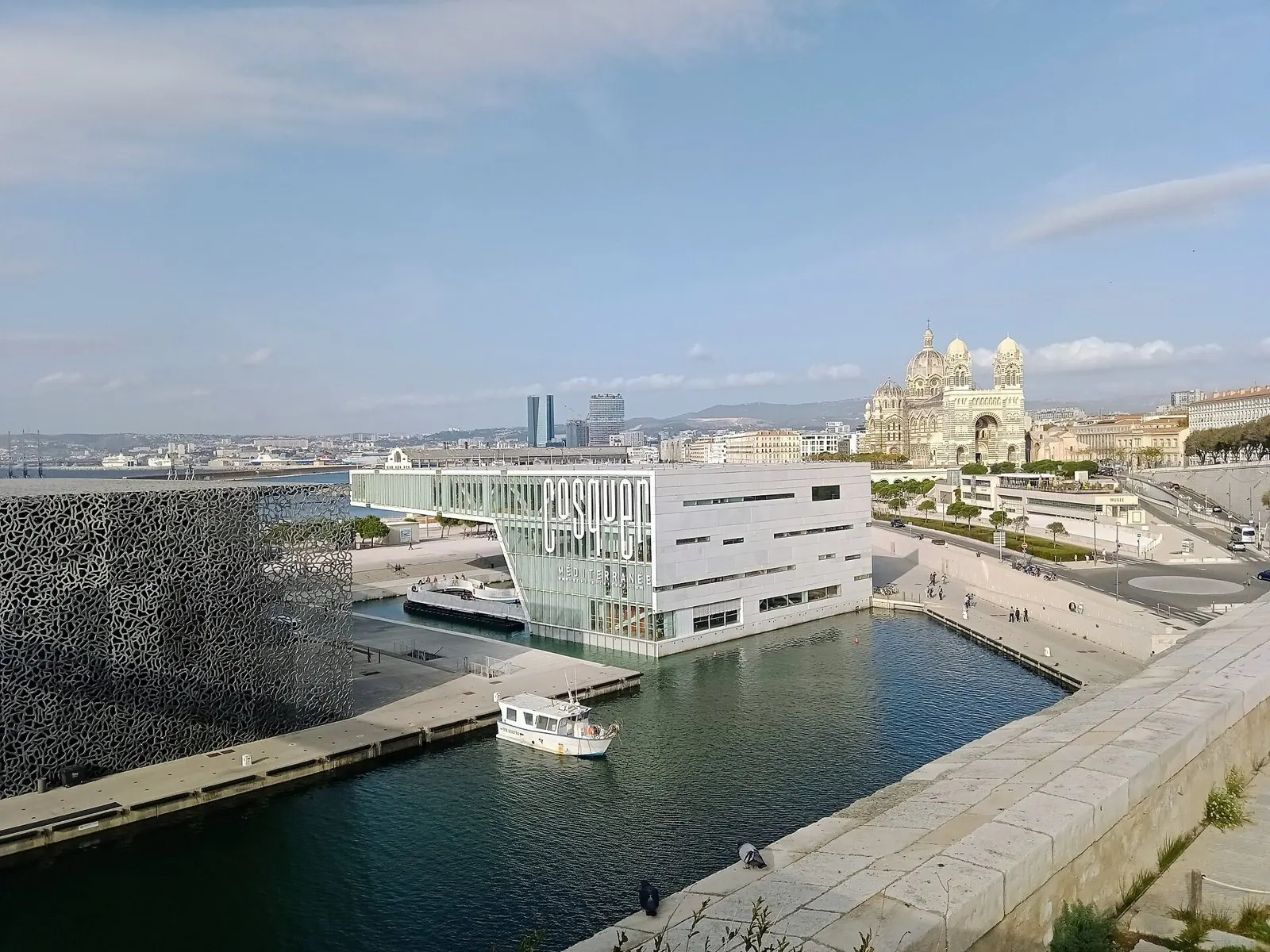
Villa Méditerranée, Marseille · CC BY-SA 4.0
Architecture · J4
Villa Méditerranée
Stefano Boeri's building of 2013, with a long cantilever reaching out over a pool of seawater. Underneath, the Cosquer Méditerranée recreates a painted Palaeolithic cave whose entrance is now under the sea.
The replica cave, visited in small electric pods.
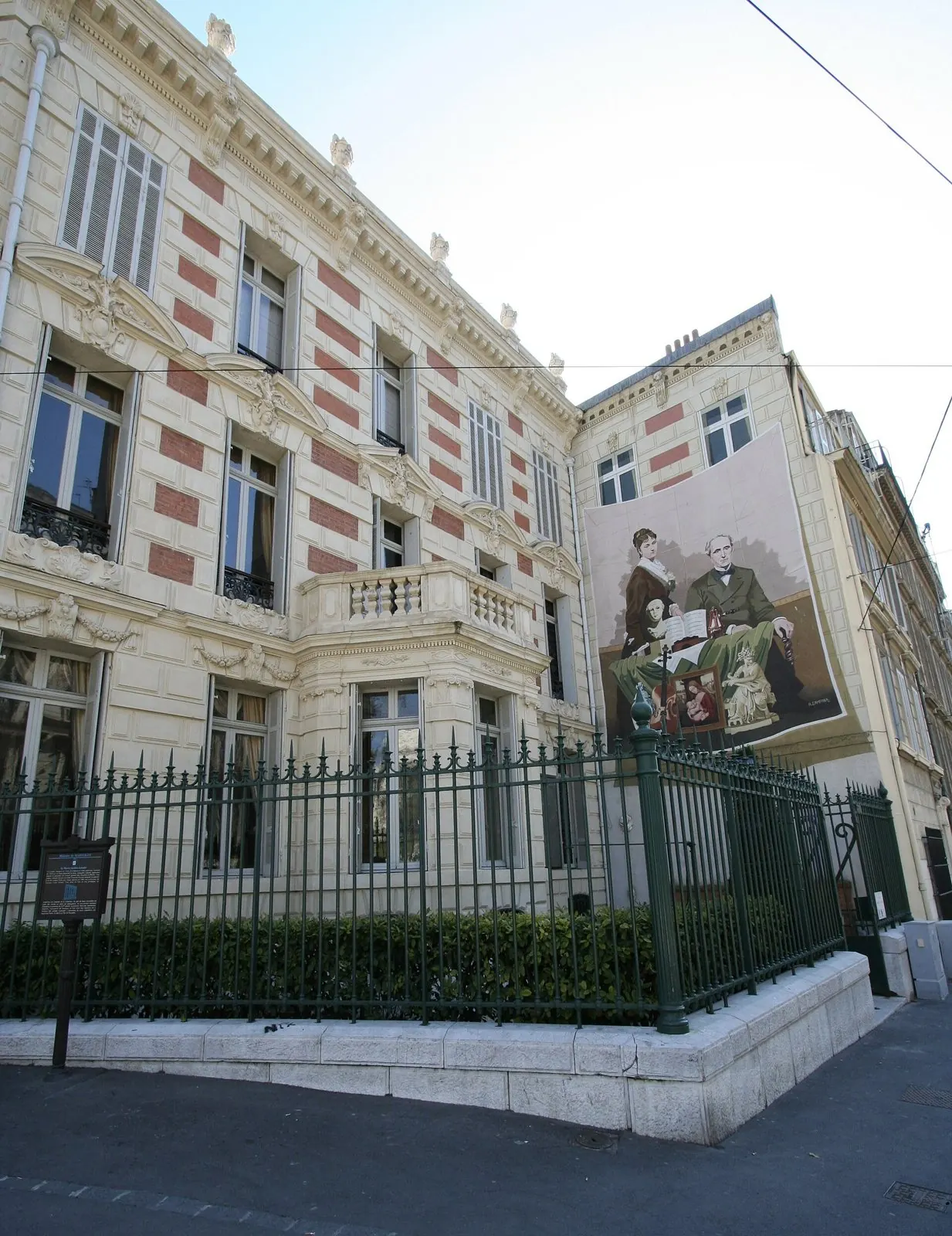
Musée Grobet-Labadié, Marseille · CC BY-SA 4.0
Collection · Longchamp
Musée Grobet-Labadié
A collector couple's townhouse of 1873, left with its tapestries, furniture, instruments and paintings as if they had just stepped out.
The music room.
Nearby
Aix-en-Provence
Cézanne's studio at Les Lauves and the Montagne Sainte-Victoire, 30 minutes away.
L'Estaque
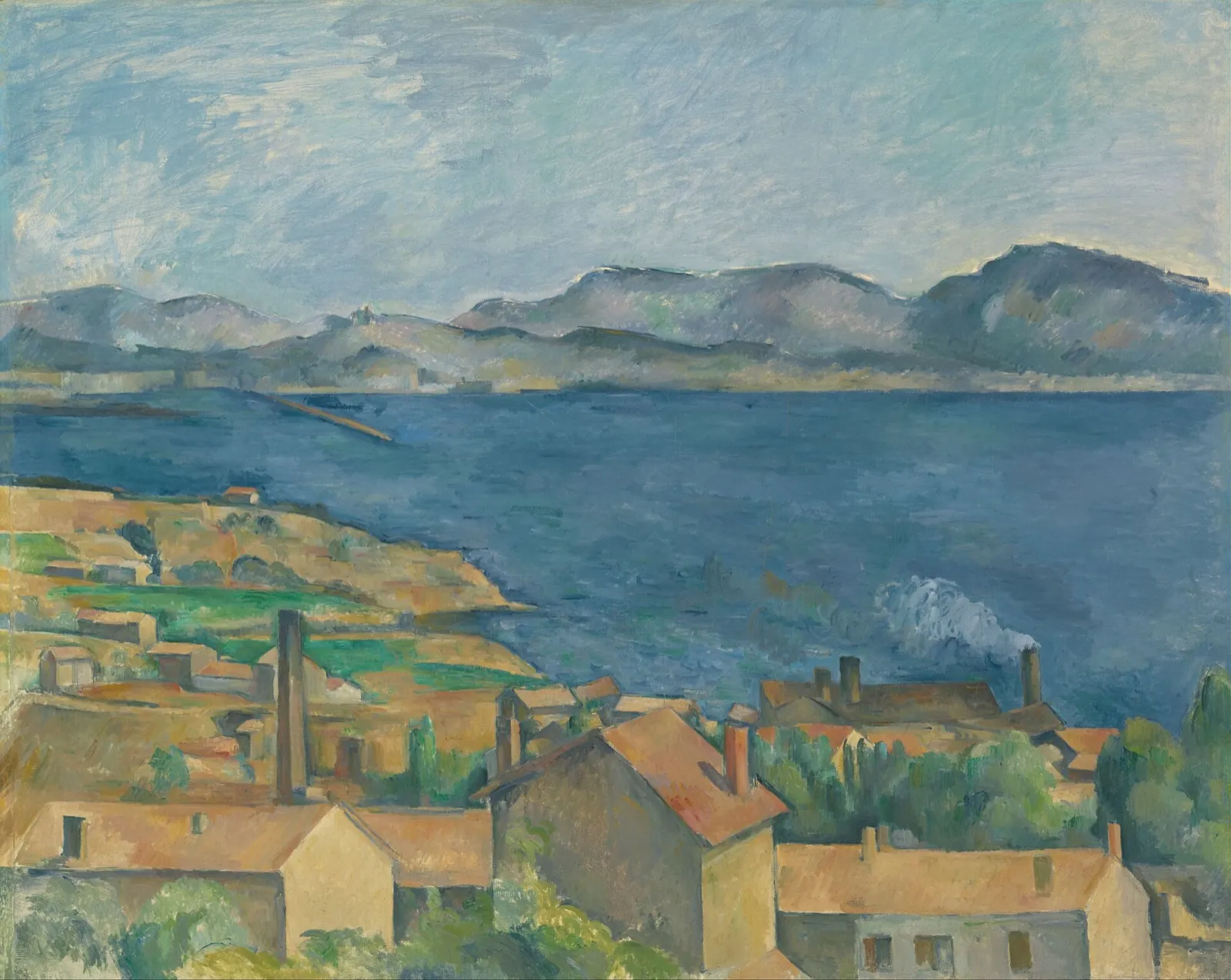
The fishing village where Cézanne, Braque and Dufy painted the bay; 20 minutes by train.
Mucem at opening → footbridge to Fort Saint-Jean → Le Panier and La Vieille Charité → lunch by the Vieux-Port → bus up to Notre-Dame de la Garde → sunset at the Vallon des Auffes.