Museum · Onikan
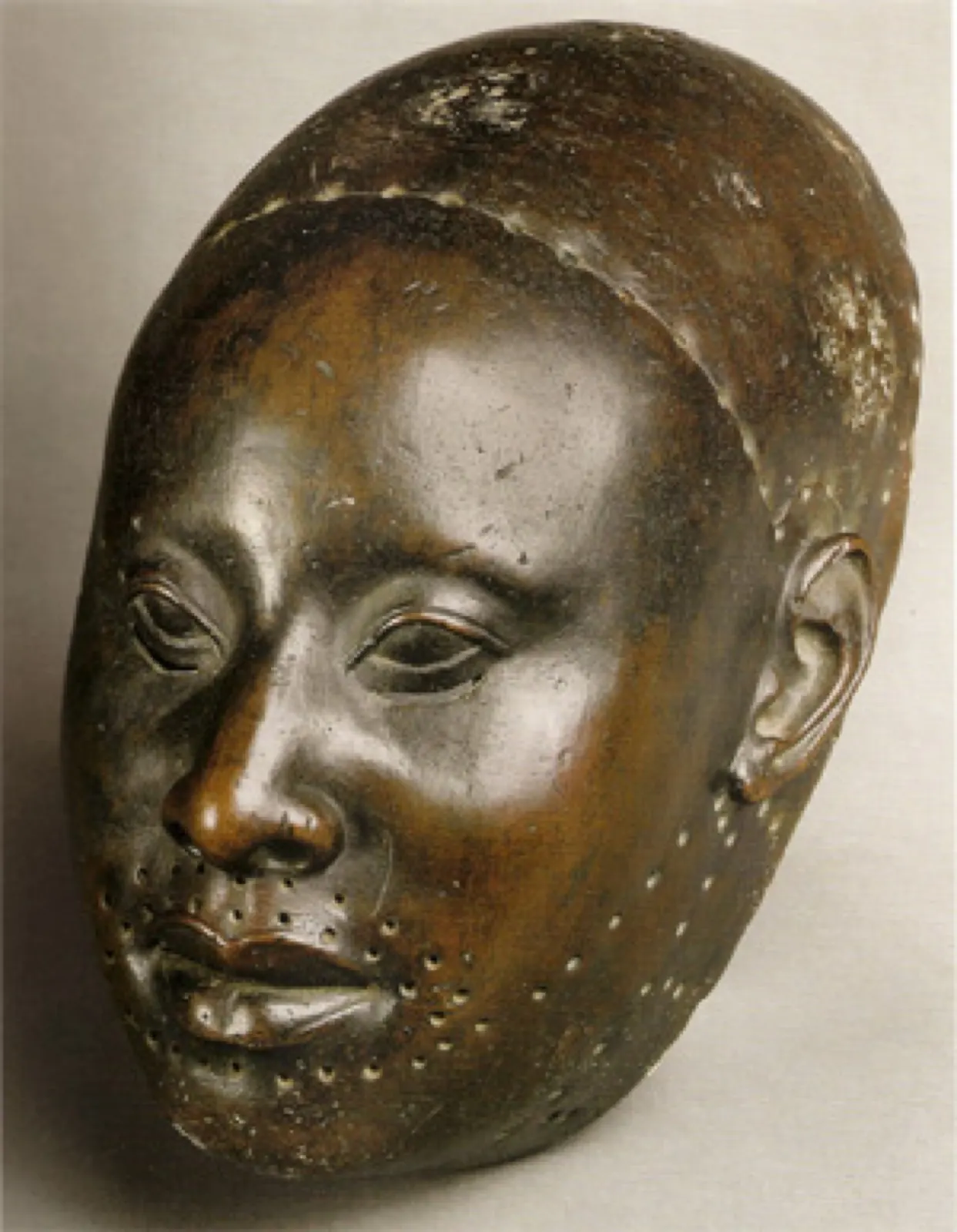
National Museum Lagos
Nigeria's national collection: Nok terracottas, Benin and Ife bronzes, and the car in which Murtala Mohammed was assassinated in 1976.
Look for: The Ife heads.
Check opening hours
Africa's largest city, and the engine of its contemporary art market: galleries, fairs, a biennial and private foundations.
Nigeria's national collection: Nok terracottas, Benin and Ife bronzes, and the car in which Murtala Mohammed was assassinated in 1976.
Founded by the curator Bisi Silva in 2007, a library and project space that trained a generation of curators.
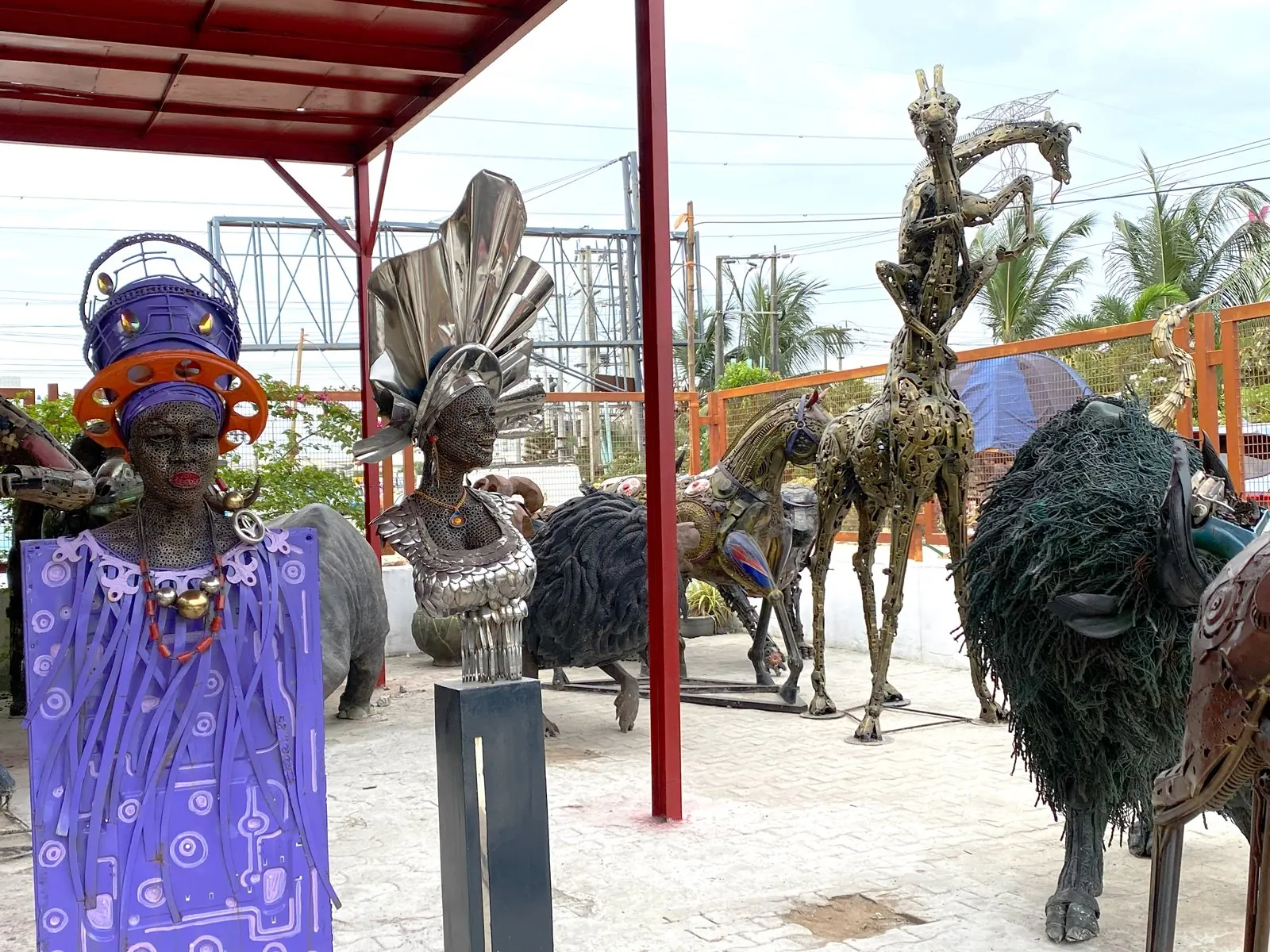
Five floors of Nigerian art, crammed and generous, run by the textile artist Nike Davies-Okundaye.
Two of the galleries that have shaped the new generation of Nigerian art: Kó for modern masters and photography, Rele for young painters, many showing for the first time.
Rooms, ruins and curiosities: the city's other museum.
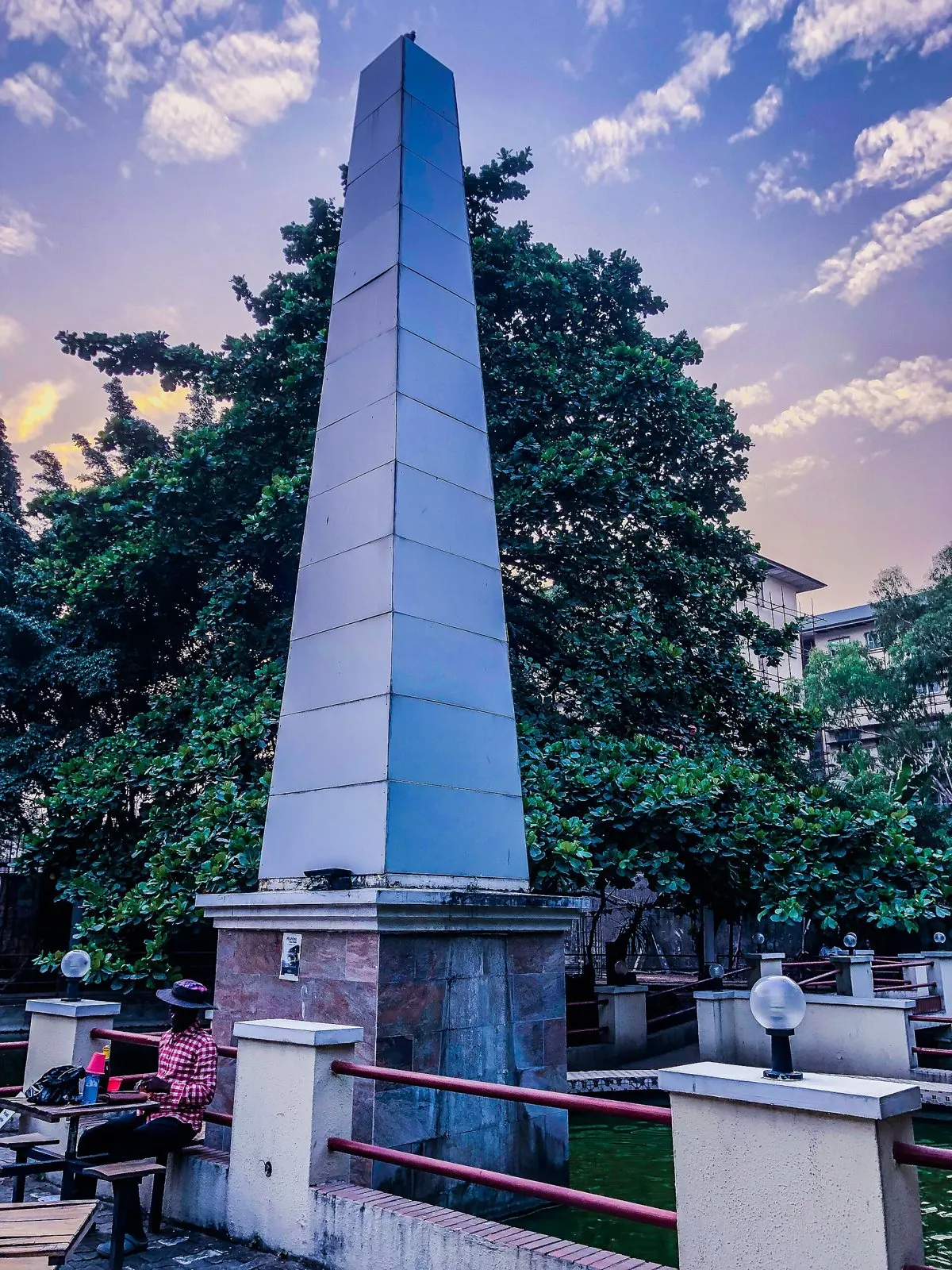
The colonial Broad Street prison (1882), where independence leaders were held, turned in 2010 into a memorial park, open-air stage and gallery.
Houses in the Brazilian Baroque style, built by formerly enslaved people who returned from Brazil and Cuba in the 19th century. Many have been demolished; the survivors are worth seeking out.
Fela Kuti's last home, now a museum with his clothes, saxophones and record covers, and a rooftop bar.
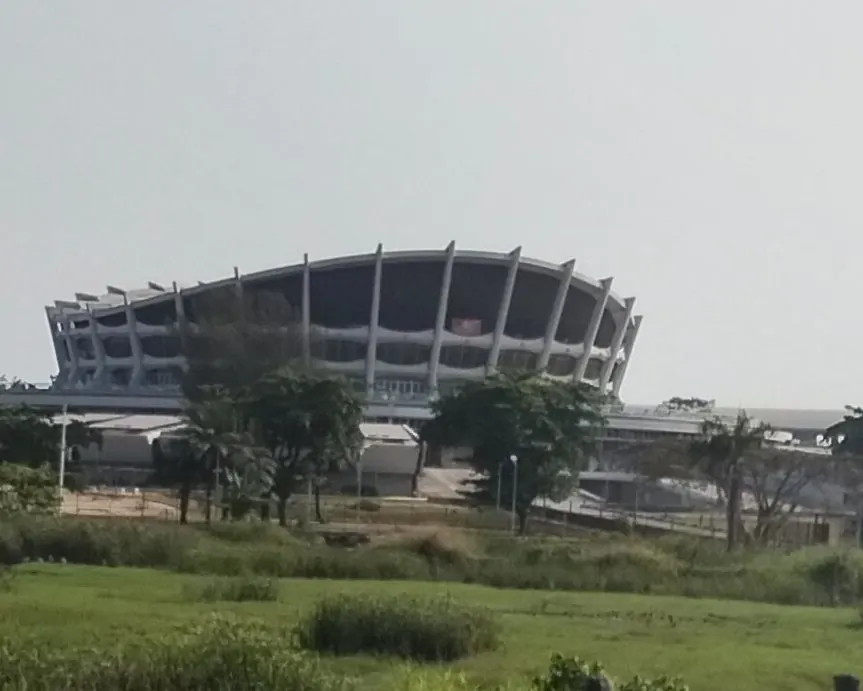
The 1976 theatre shaped like a general's cap, built for the FESTAC '77 festival of Black and African arts. After years of decay it was restored, renamed after Wole Soyinka and reopened in October 2025.
A bookshop and record shop crammed with Nigerian literature and highlife, Afrobeat and juju vinyl, and a café where Lagos writers meet.
The Osun-Osogbo Sacred Grove and Susanne Wenger's sculptures, about four hours by road.
National Museum → Freedom Park → lunch → Nike Art Gallery → the New Afrika Shrine in the evening.