Museum · Higashiyama
Kyoto National Museum
Kyoto's temple treasures and Japanese art, in a Meiji brick building and a new wing by Yoshio Taniguchi.
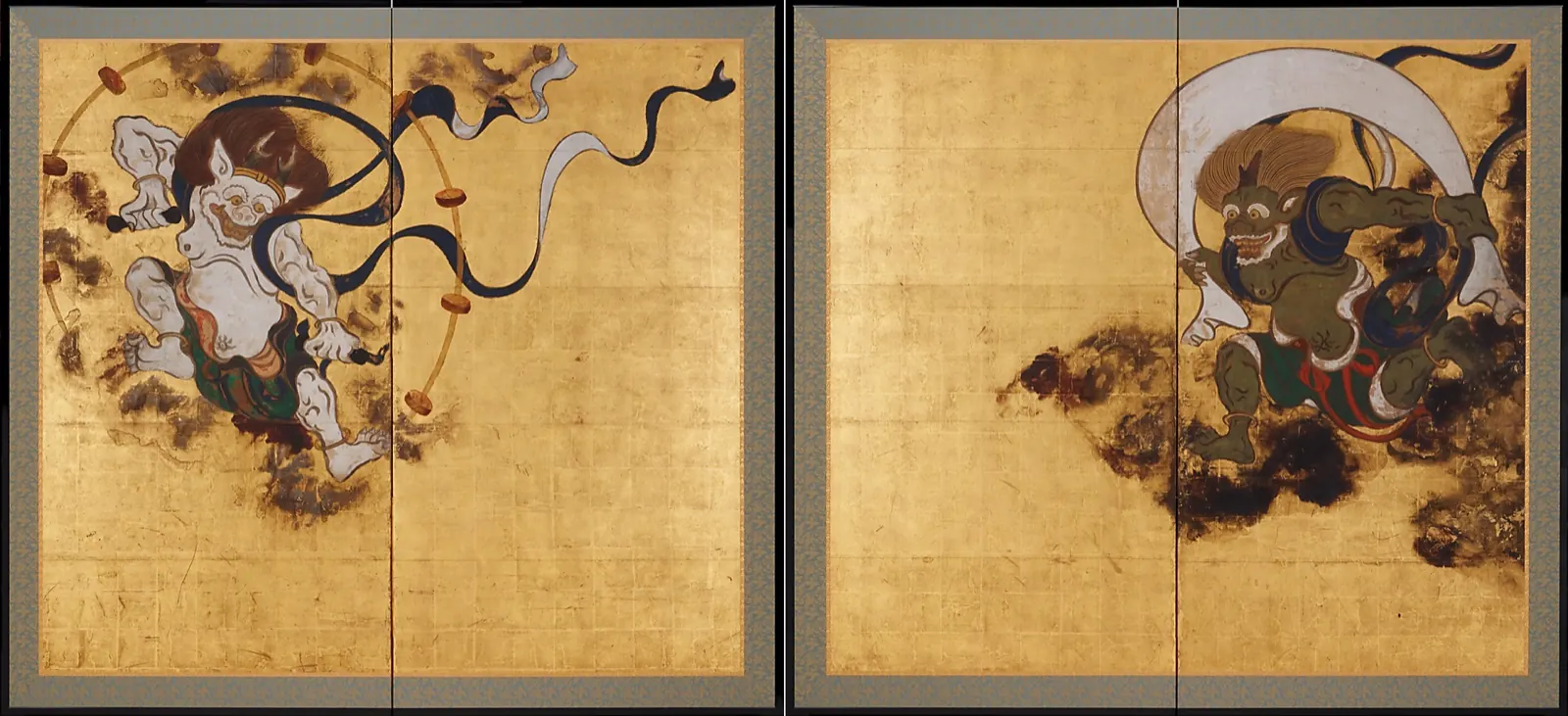
Look for: Sōtatsu's Wind God and Thunder God, when it is shown.
Closed Mondays
The city of temples and gardens where Japanese aesthetics was invented, and still practised.
Kyoto's temple treasures and Japanese art, in a Meiji brick building and a new wing by Yoshio Taniguchi.
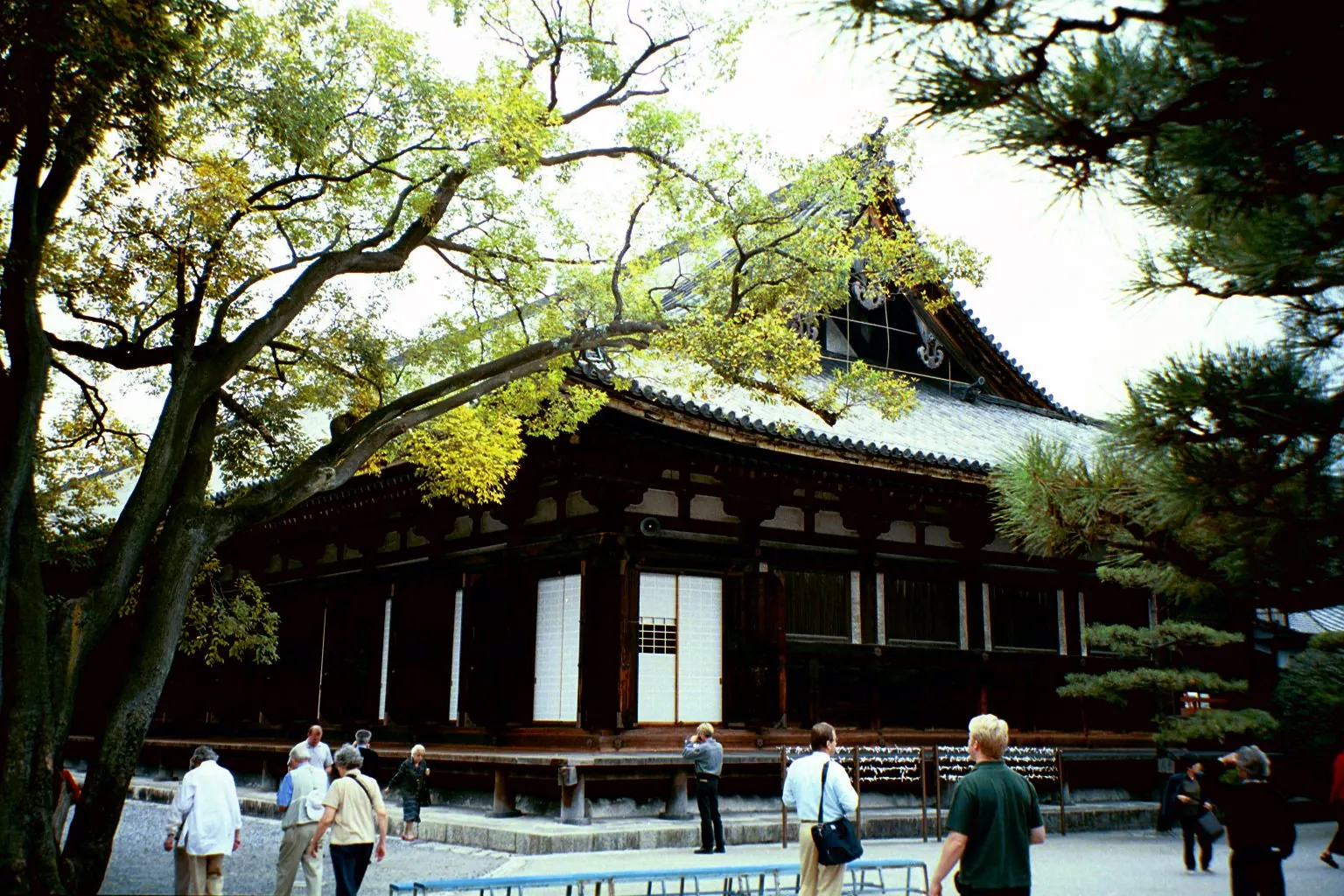
A 120-metre wooden hall of the 13th century holding 1,001 gilded statues of the Buddhist deity Kannon, in rows like a choir.
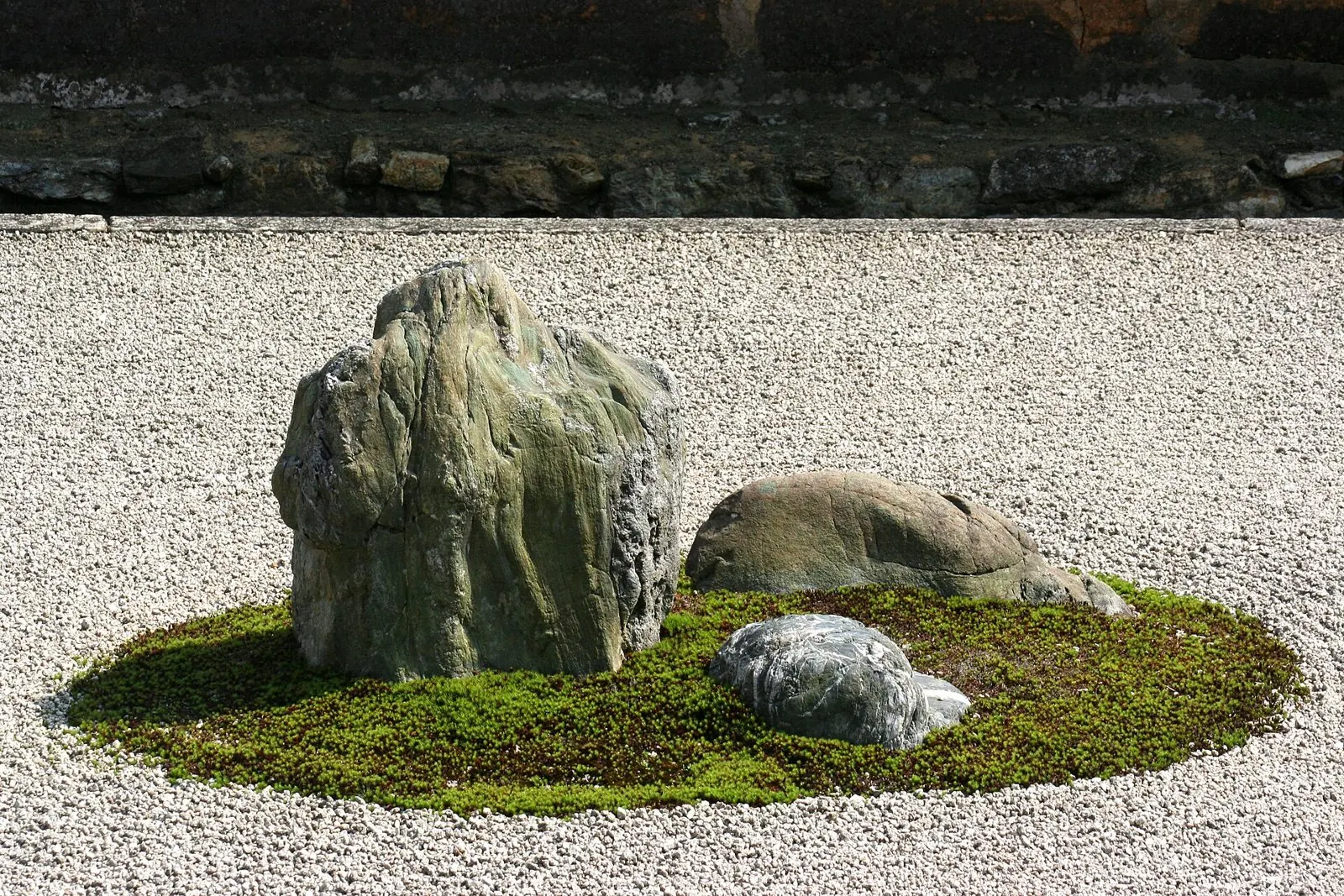
The dry garden of fifteen stones on raked gravel: from wherever you sit on the veranda, one is always hidden.
The potter Kawai Kanjirō's house of 1937, which he designed himself, with his furniture, his pots and his kiln, kept as he left it.
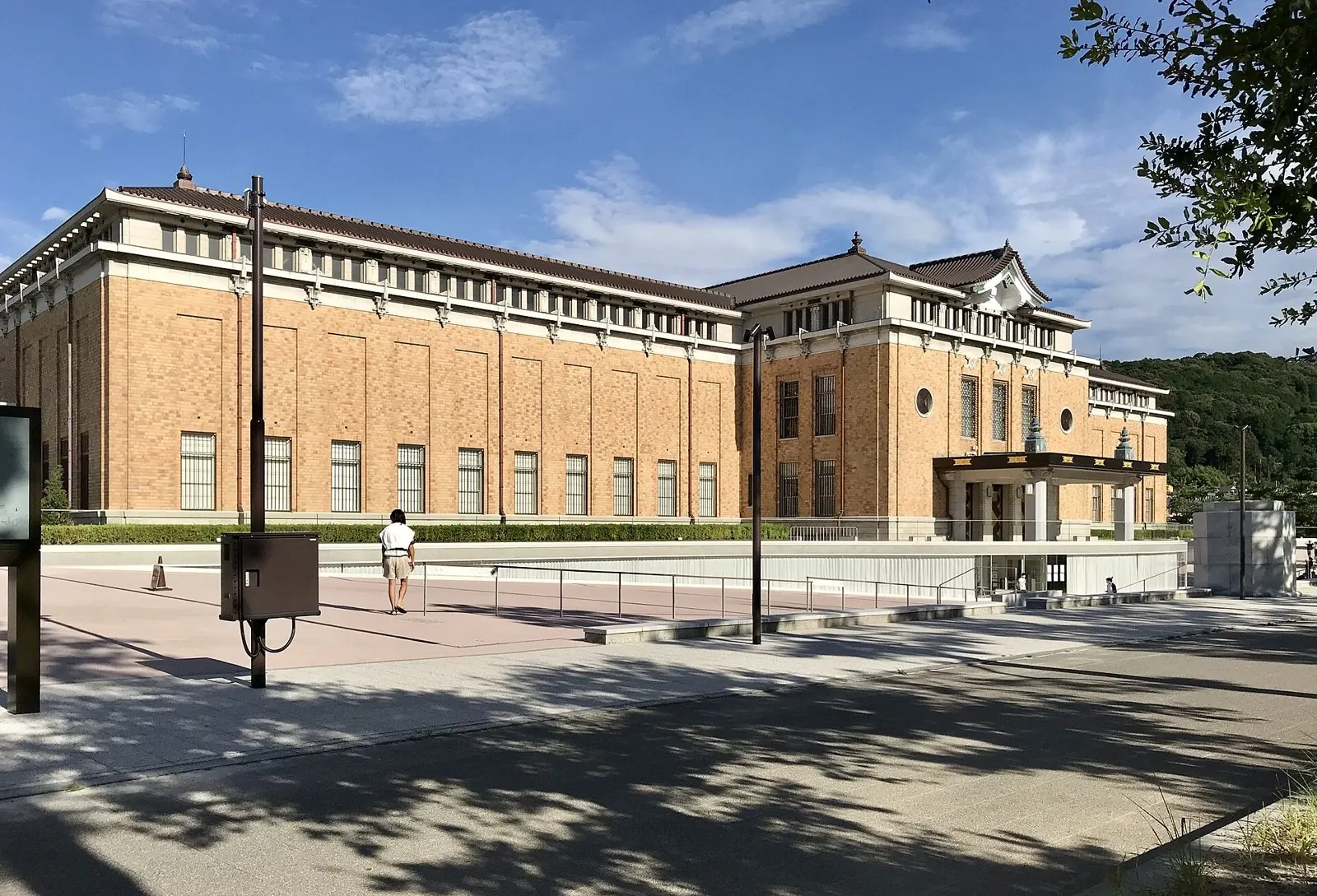
One of Japan's oldest public art museums (1933), renovated in 2020 by Jun Aoki with a sunken glass entrance and a contemporary wing.
Rooms, ruins and curiosities: the city's other museum.
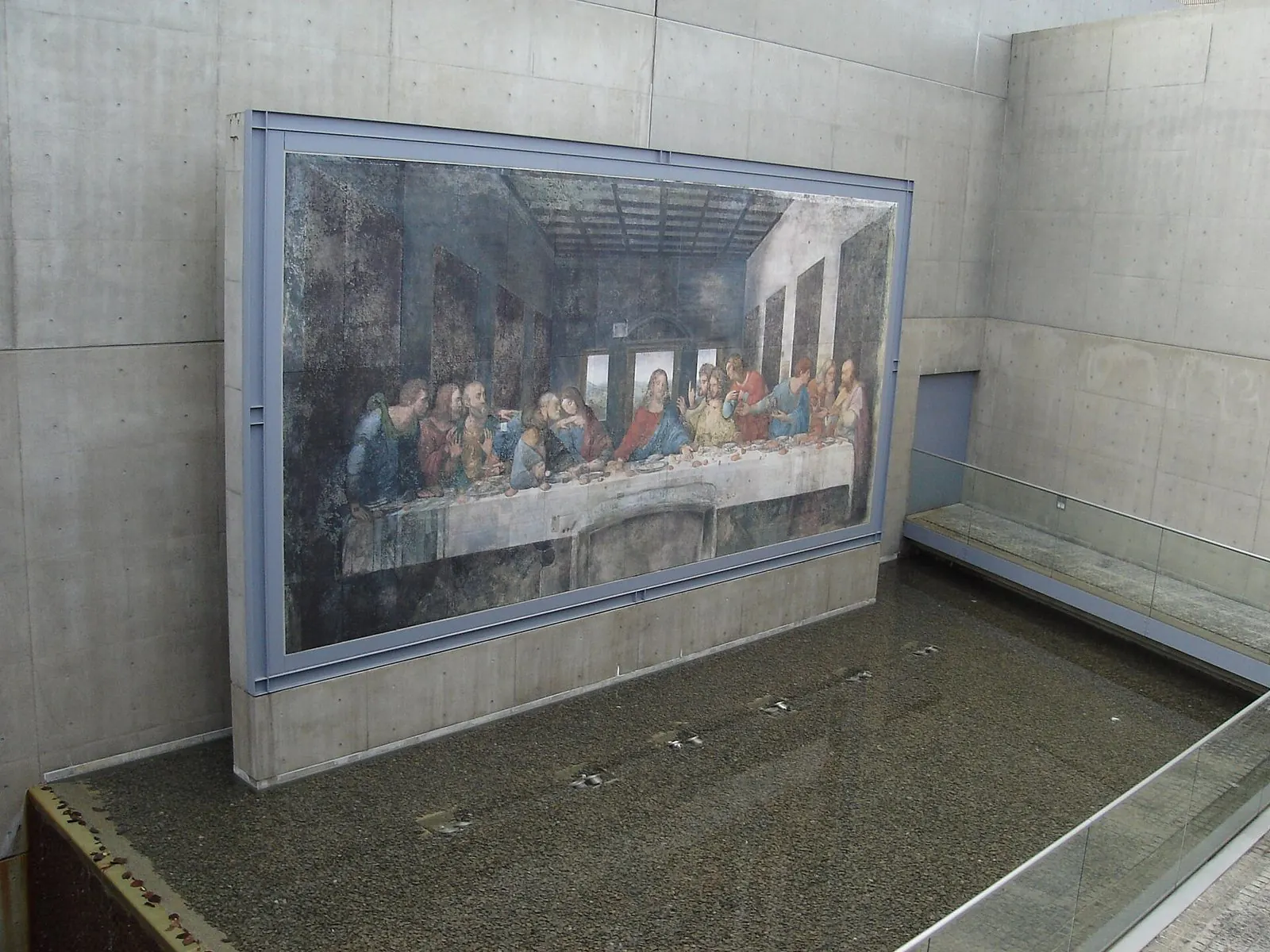
Tadao Ando's open-air garden of ceramic reproductions of masterpieces, including Monet's Water Lilies, under water.
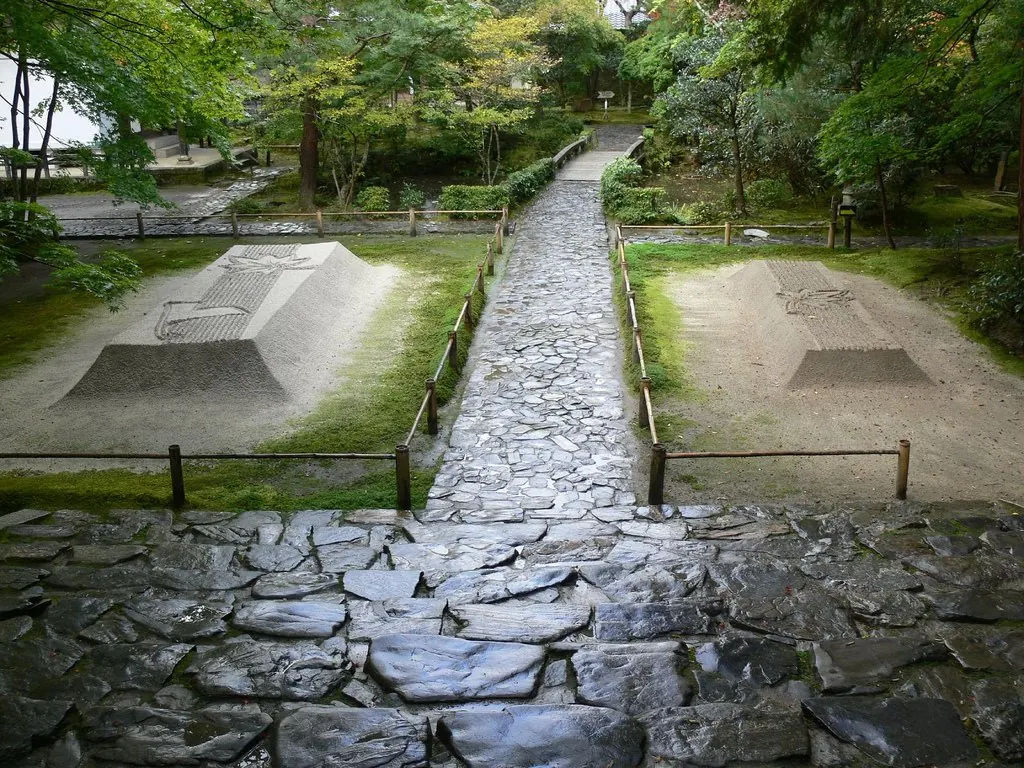
A small moss-covered temple off the Philosopher's Path, with two white sand mounds at the gate, raked into new designs with the seasons.
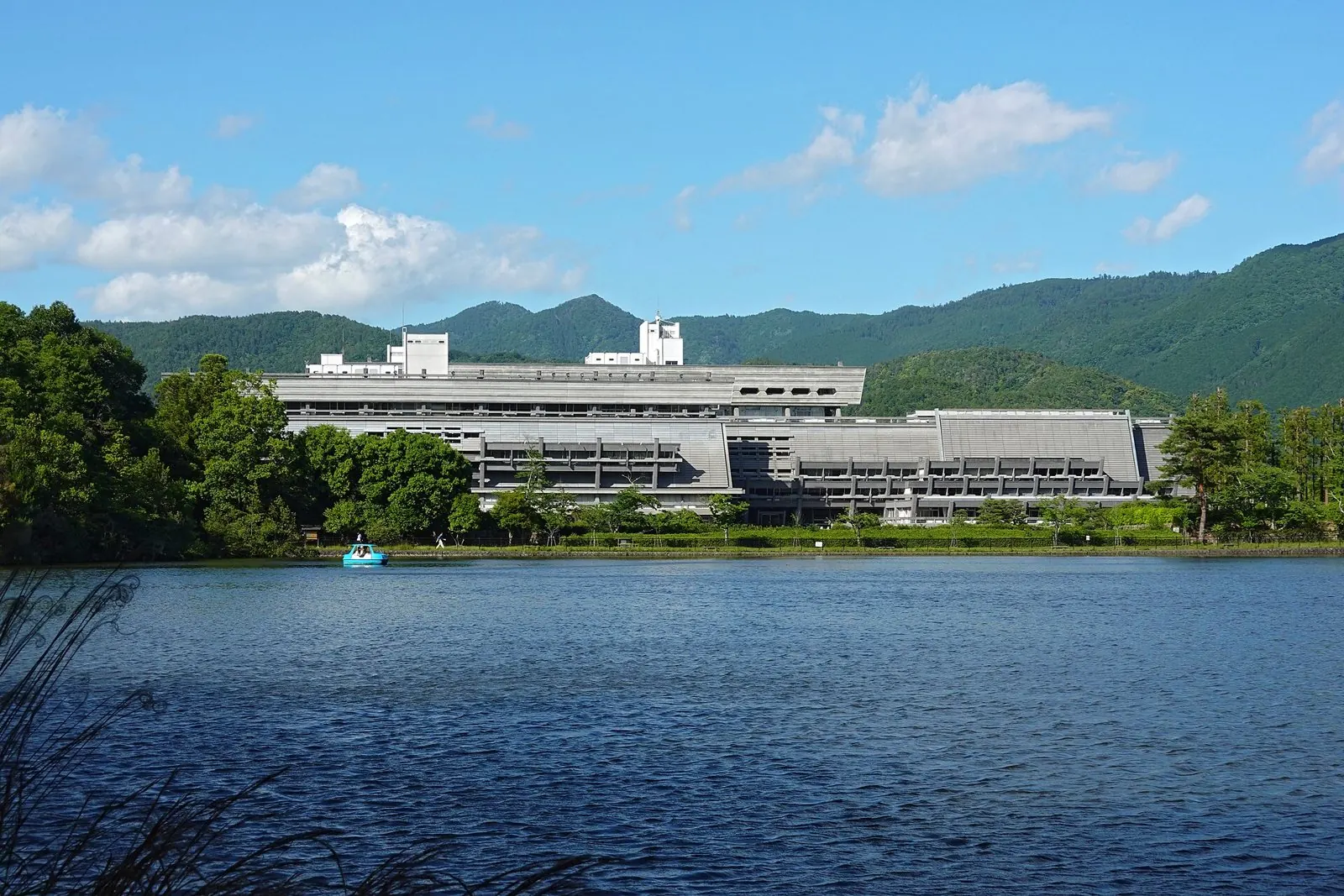
Sachio Otani's building of 1966: trapezoidal concrete frames by a lake, like a giant temple. The Kyoto Protocol was signed here in 1997.
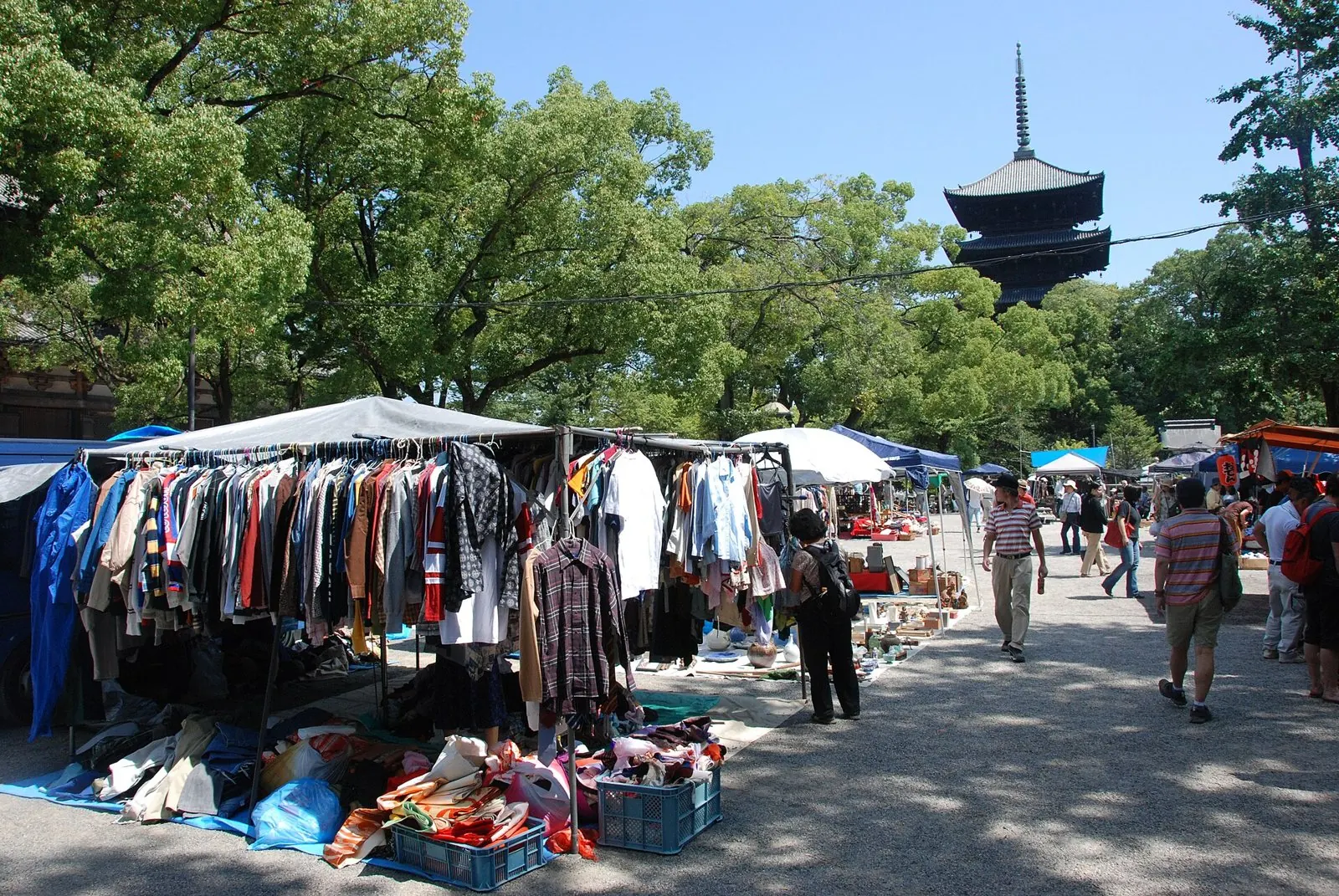
On the 21st of every month a flea market fills the temple grounds under Japan's tallest wooden pagoda: kimonos, ceramics, tools, pickles.
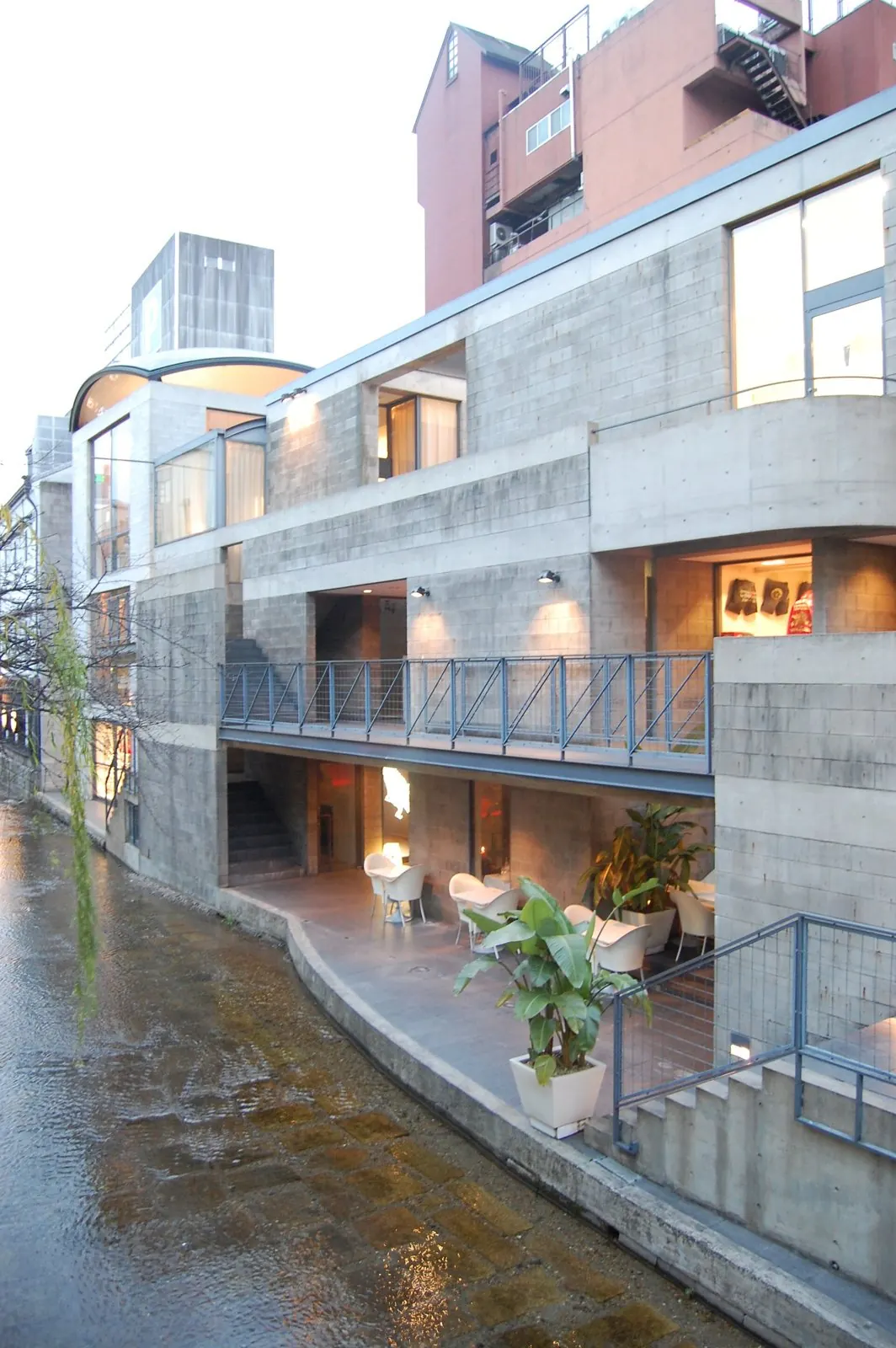
A small concrete building by Tadao Ando (1984) built right down to the Takase River, with a terrace almost at the level of the water.
Tōdai-ji, 45 minutes by train.
I. M. Pei's museum in the mountains, about an hour away.
Ryōan-ji at opening → the Kyoto Garden of Fine Art → lunch in Okazaki and the KYOCERA Museum → Kawai Kanjirō's House → the Kyoto National Museum and Sanjūsangen-dō across the street.