Museum · Giza
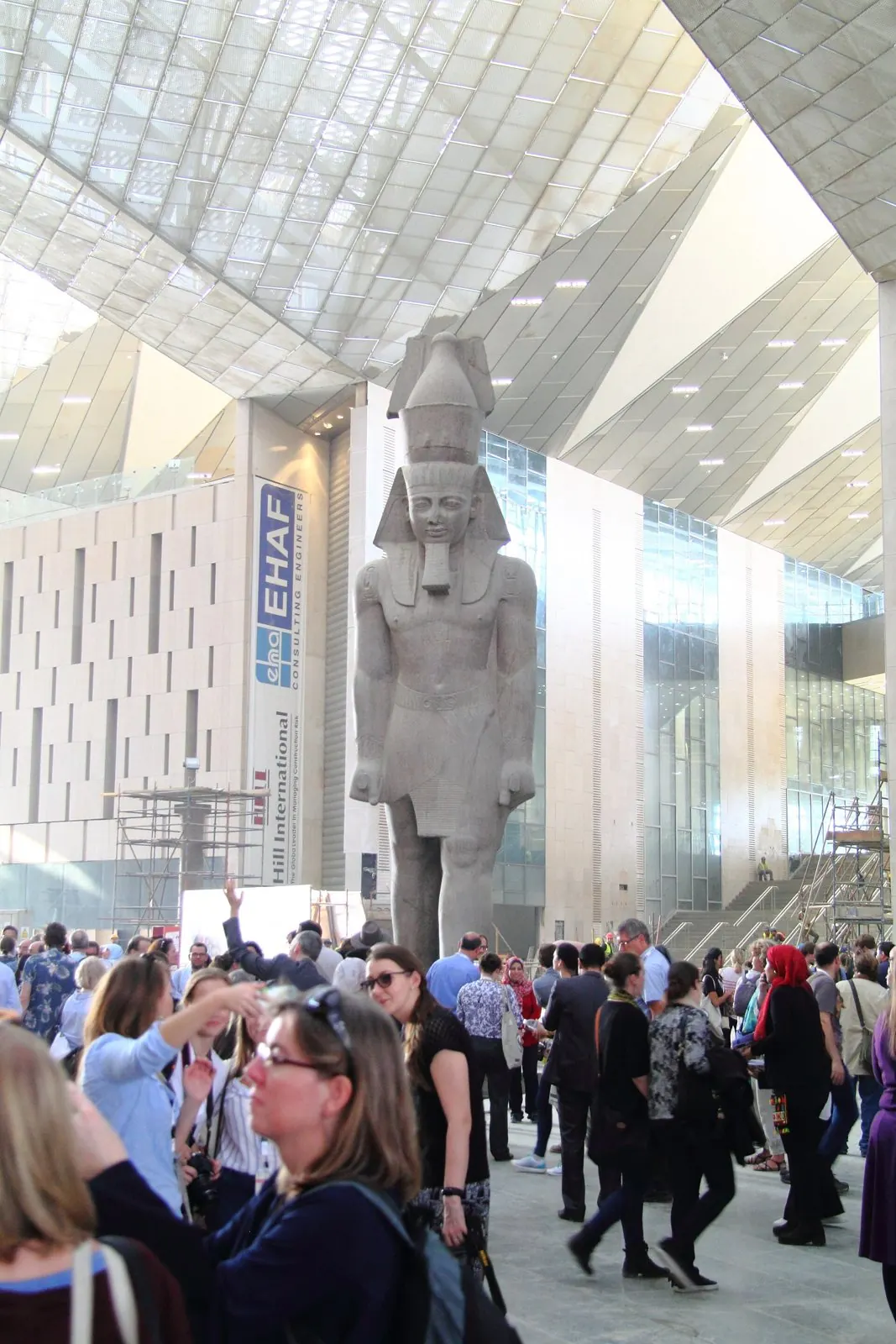
Grand Egyptian Museum
The new museum by the pyramids, fully opened in November 2025, with the complete Tutankhamun treasures and a monumental staircase lined with statues.
Look for: The colossal Ramesses II in the atrium.
Book ahead
Five thousand years of art in one city, and a young contemporary scene that works in the downtown buildings of the old belle époque.
The new museum by the pyramids, fully opened in November 2025, with the complete Tutankhamun treasures and a monumental staircase lined with statues.
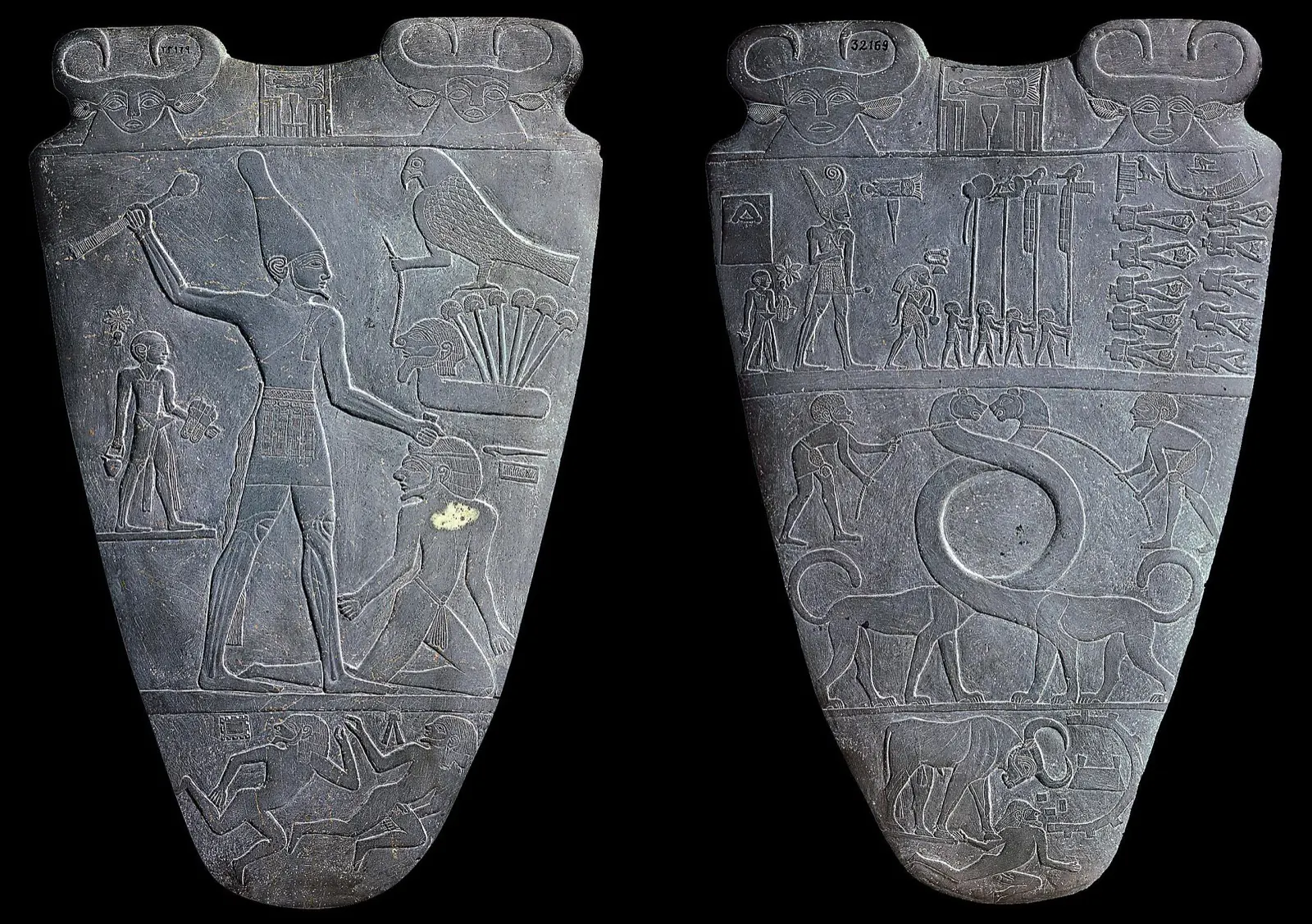
The pink museum of 1902, still dense with antiquities. Less polished than the new one, and still essential.
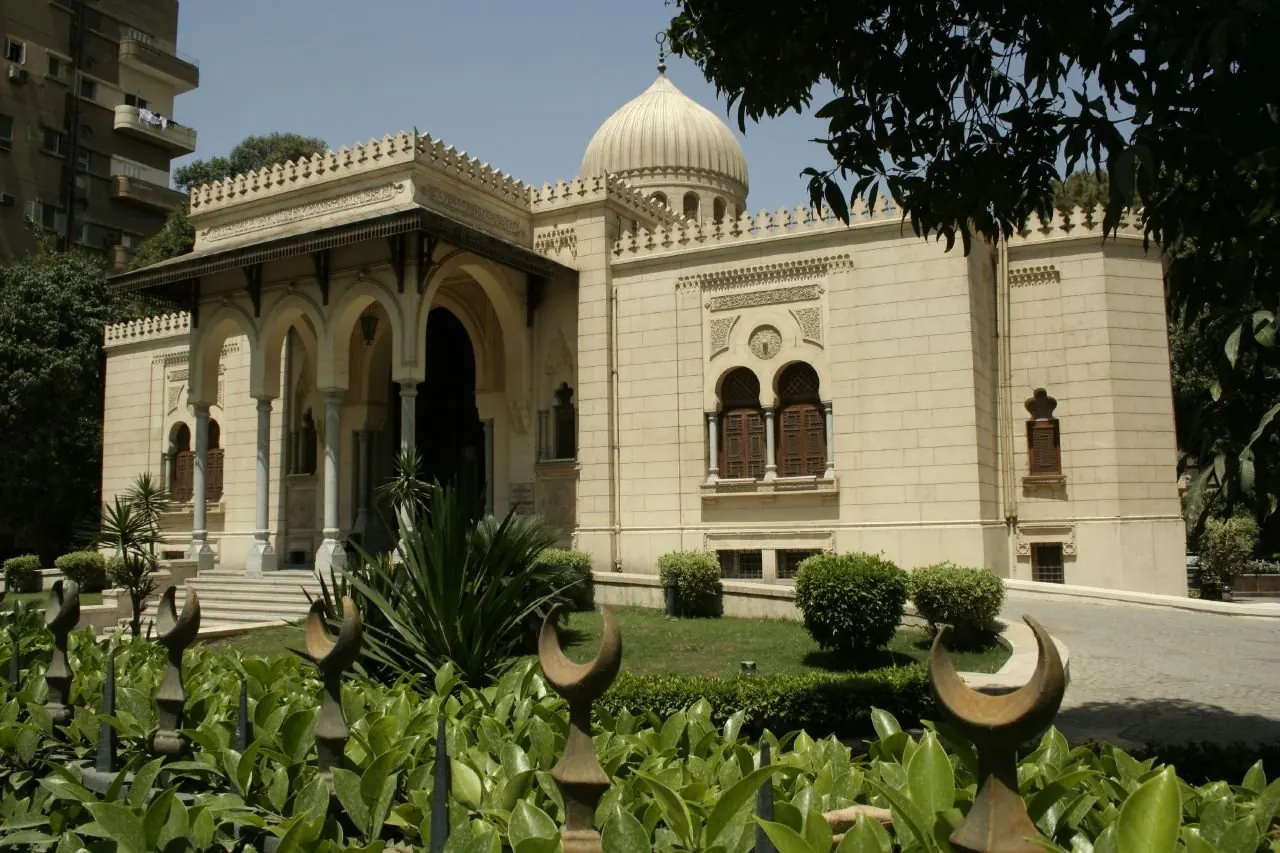
One of the world's greatest collections of Islamic art: Mamluk lamps, woodwork, ceramics.
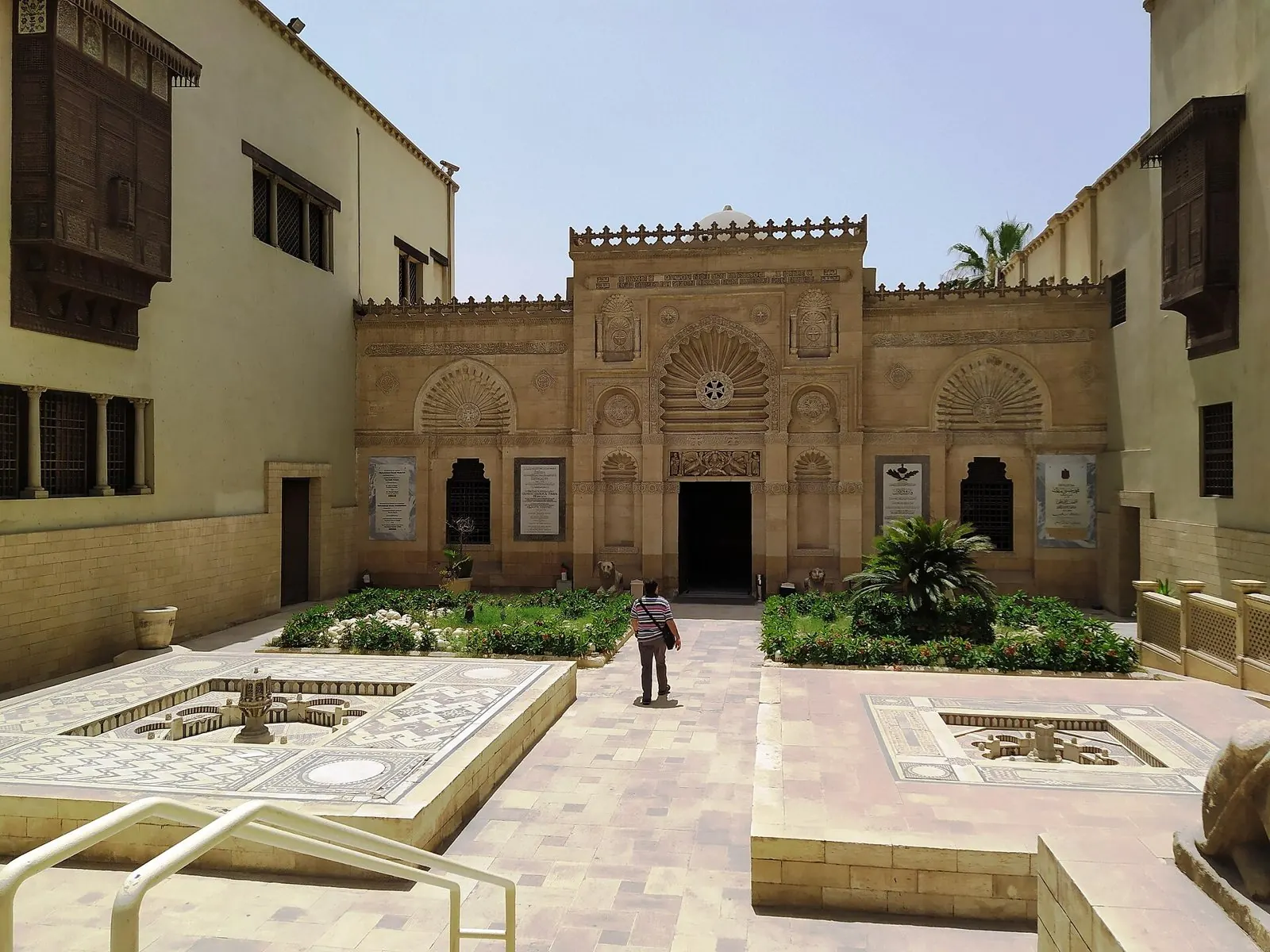
Coptic art in a building of mashrabiya screens, beside the Hanging Church.
Rooms, ruins and curiosities: the city's other museum.
Two 16th- and 17th-century houses joined together and filled with the collections of a British army doctor. It appears in the James Bond film The Spy Who Loved Me.
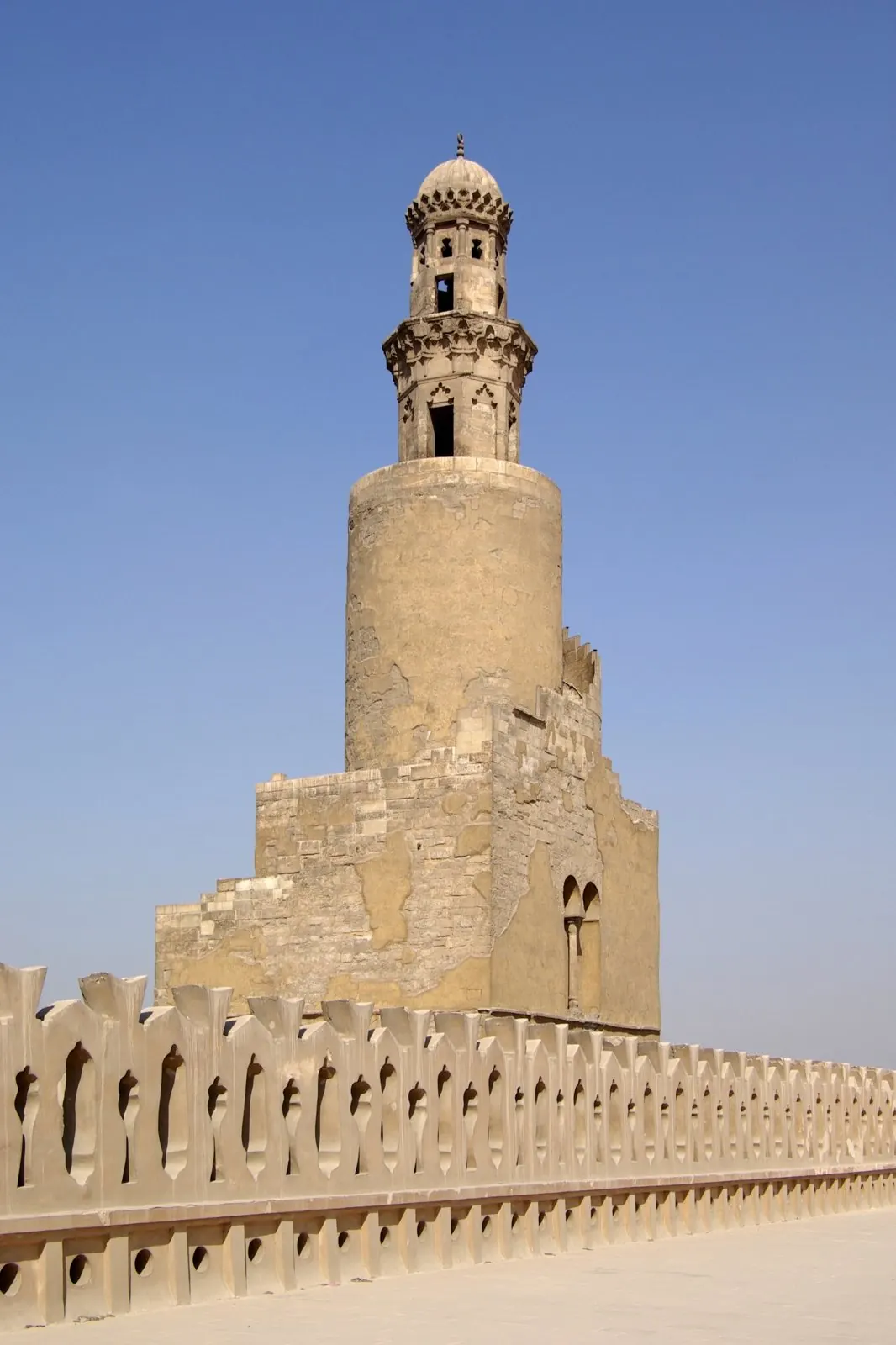
A vast 9th-century mosque with an external spiral minaret.
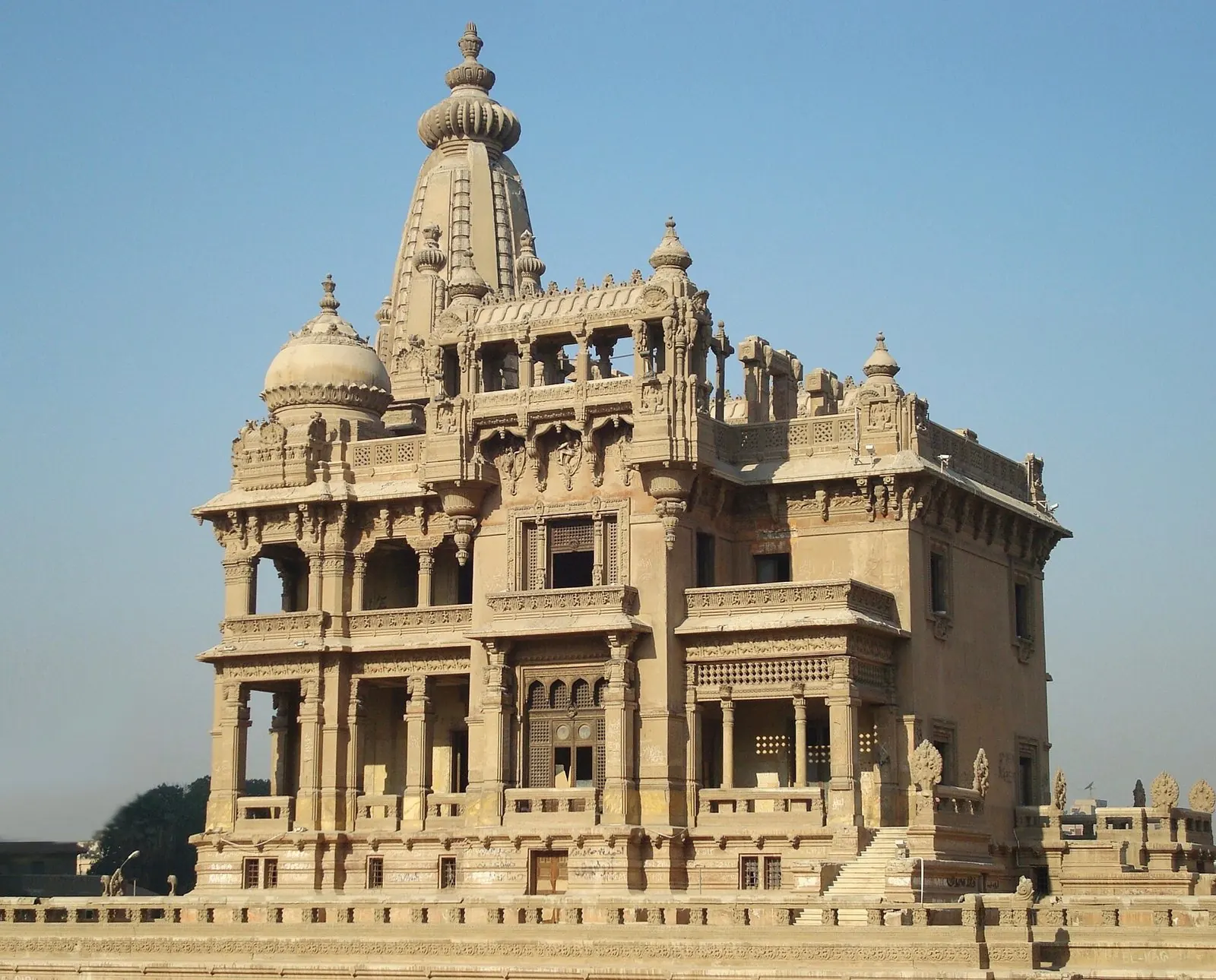
A Belgian industrialist's Hindu-temple palace of 1911, restored and reopened in 2020.
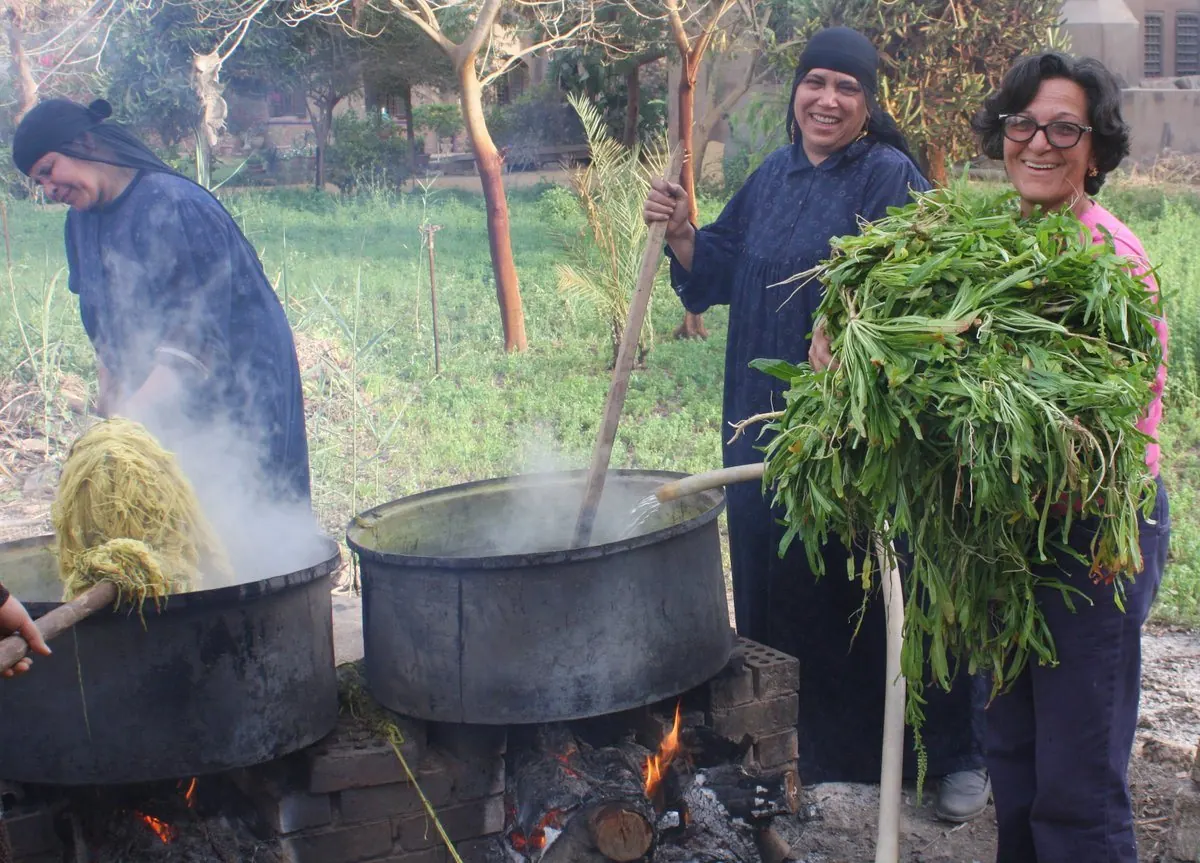
Weaving workshops founded in 1952 by the architect Ramses Wissa Wassef. Village children were taught to weave tapestries of their own invention, with no drawings, and two generations later their families still do. Mud-brick domes and gardens, a few minutes from the pyramids.
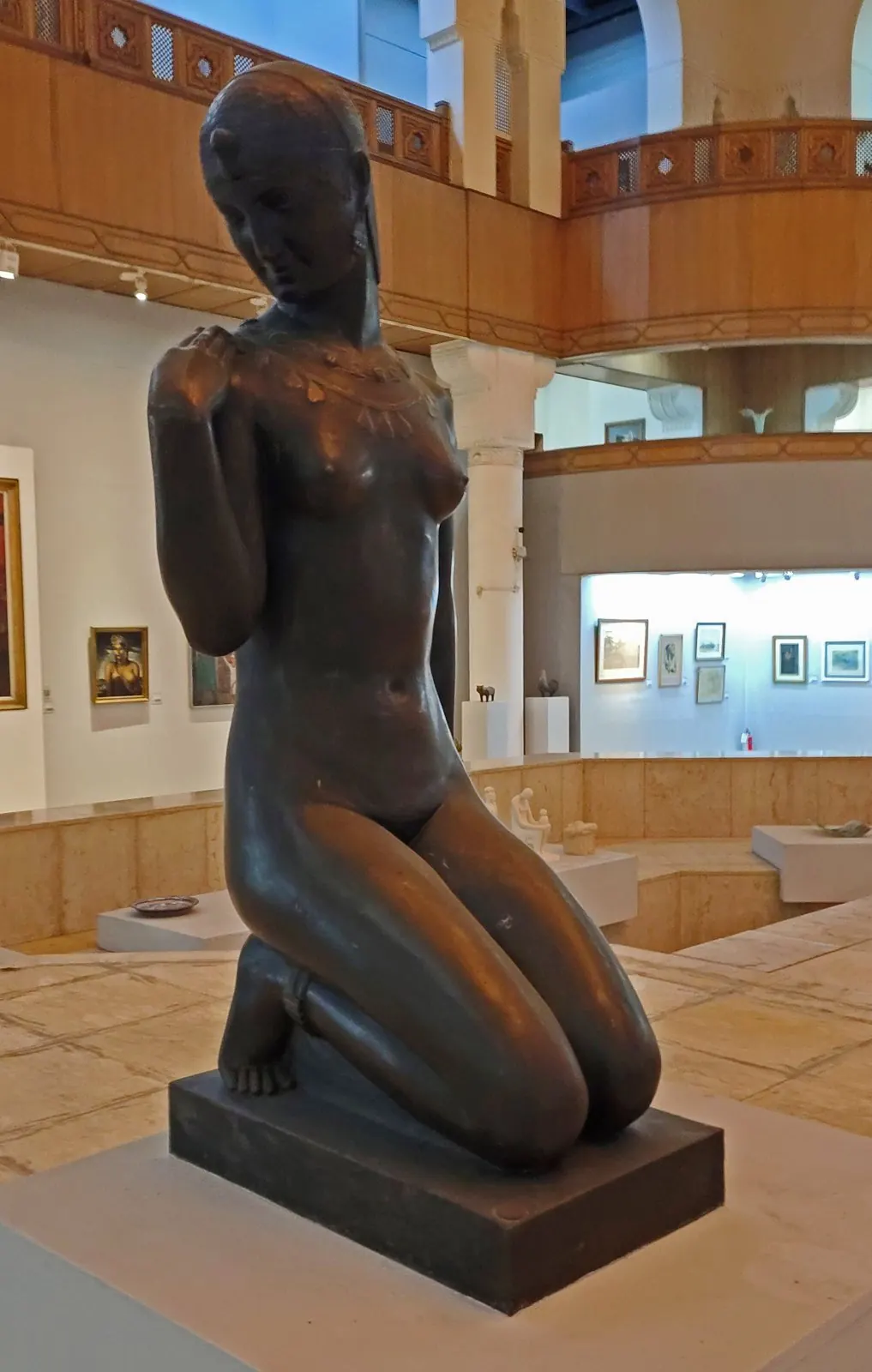
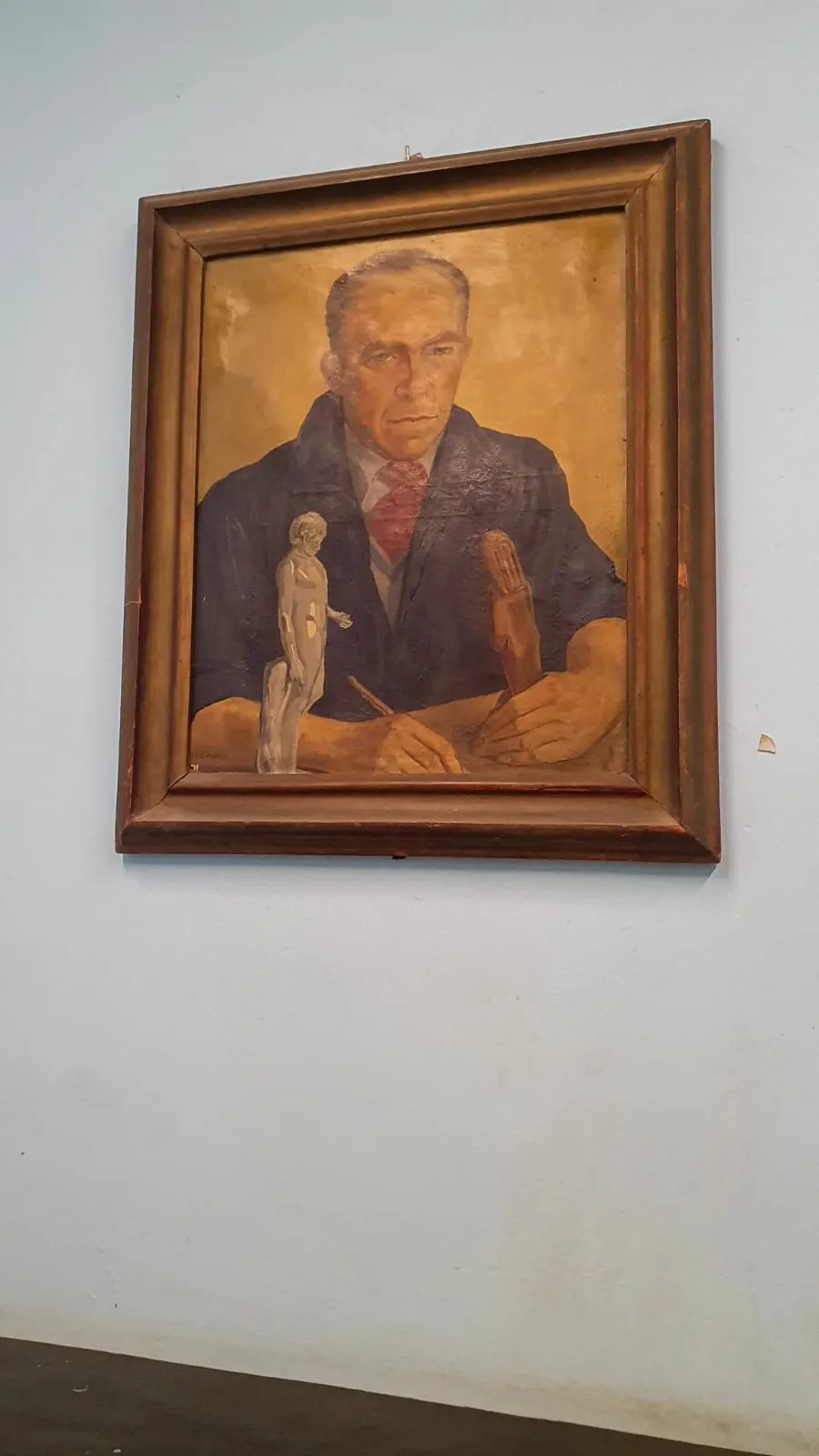
The father of modern Egyptian sculpture, in a 1962 building by Ramses Wissa Wassef, with Mokhtar's tomb in the basement.
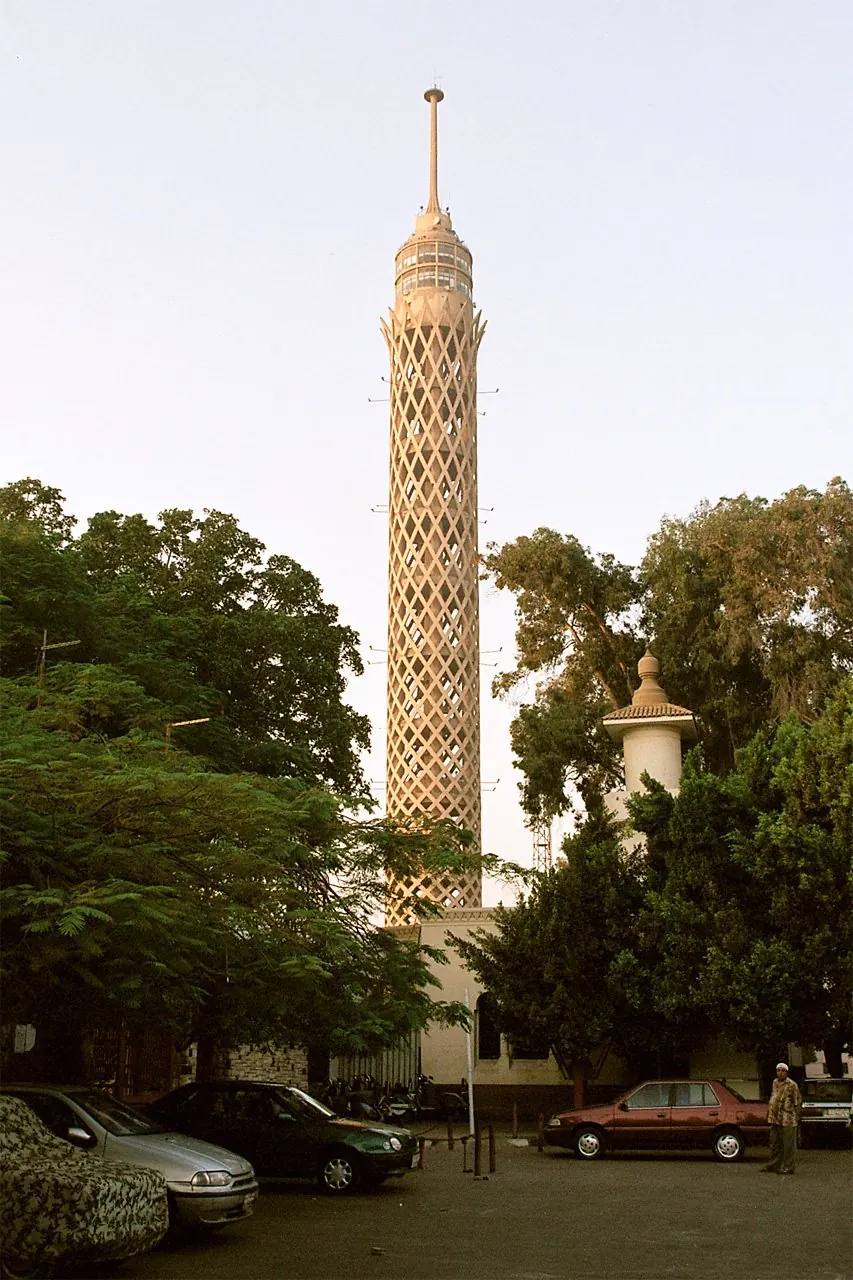
A 187-metre lattice of concrete shaped like a lotus (1961). It was said to have been built with money the Americans offered Nasser, as a monument to his refusal.
The Step Pyramid, about 40 minutes away.
The Bibliotheca Alexandrina, about three hours by train.
Egyptian Museum at opening → lunch downtown → Ibn Tulun and the Gayer-Anderson Museum → Al-Muizz Street at dusk.